
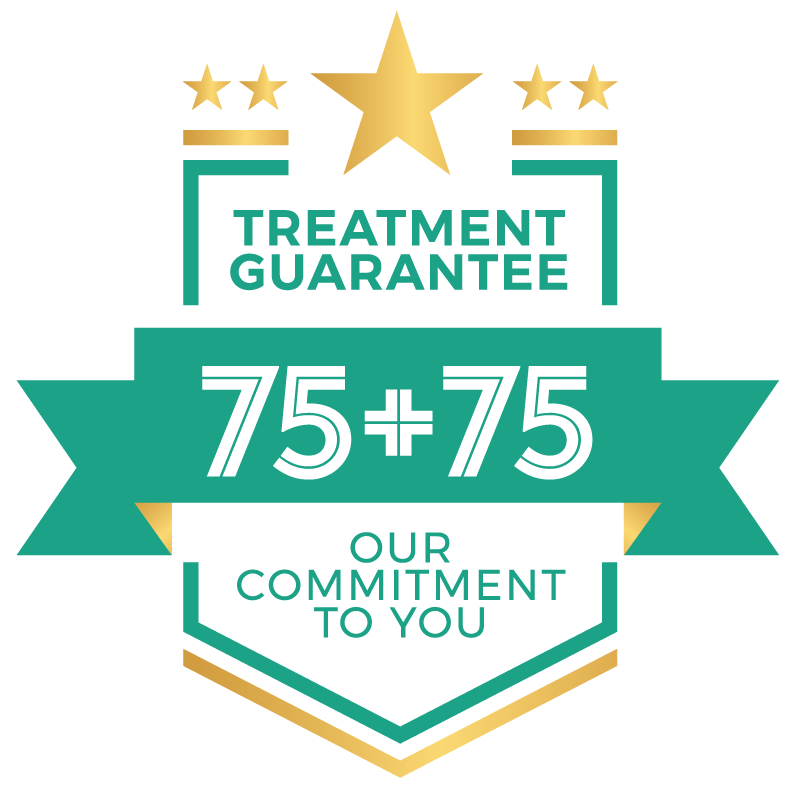
After completing 75 consecutive days of treatment at Eating Disorder Solutions, if you experience a significant setback you can receive an additional 75 consecutive days of treatment at no cost.
David's Eating Disorder Recovery Story
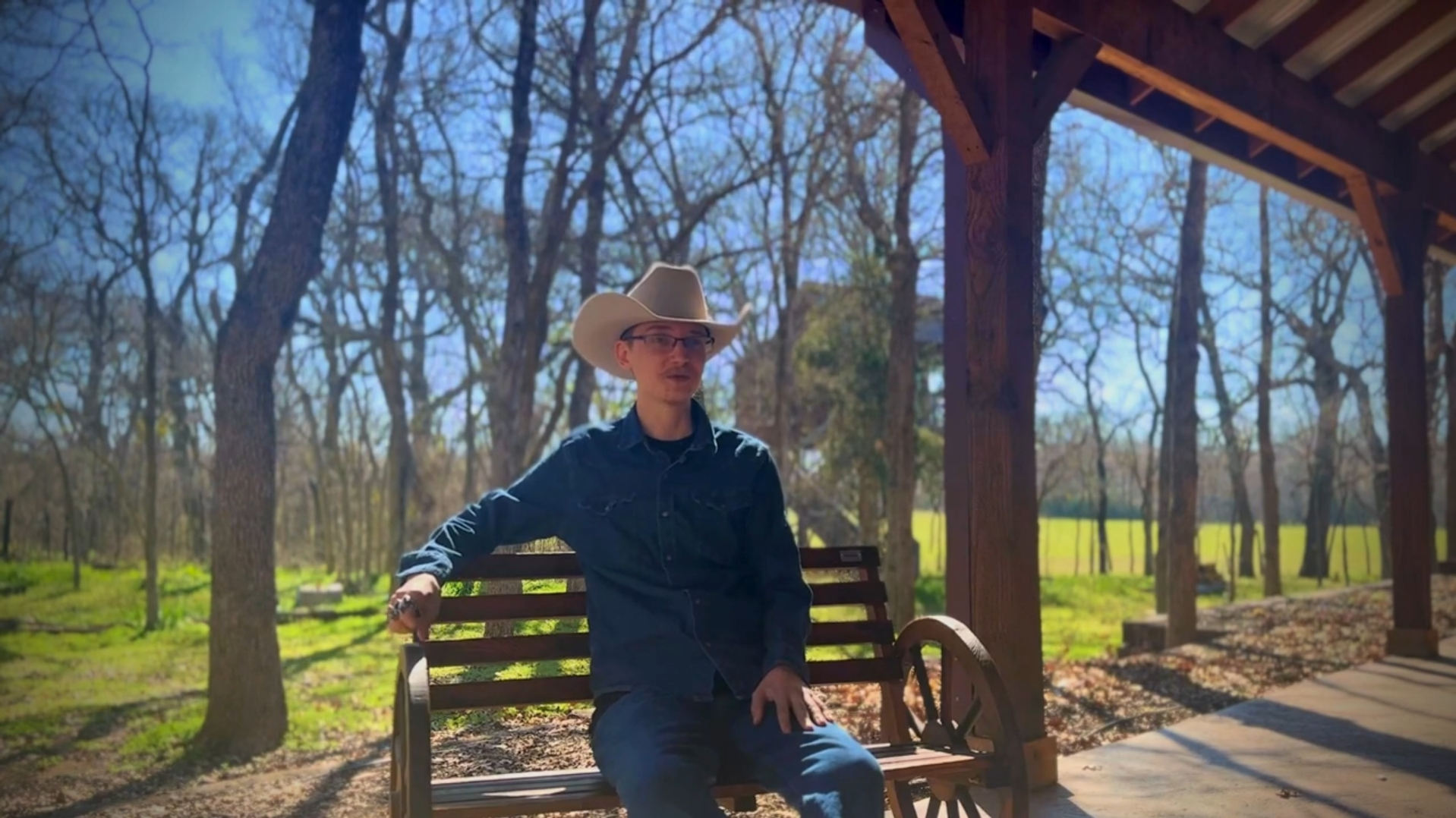
Meet David, a kind-hearted soul whose journey of self-discovery led him down unexpected paths. Growing up in a rural setting, he faced life’s trials with a silent strength, unaware of the struggles brewing within him. It wasn’t until a doctor gently pointed out the signs that David began to understand the depth of his suppressed trauma.
“Partially, it goes back to my upbringing. Men in our society have these expectations of “‘real men don’t cry”’ and “‘real men don’t have time to have issues because we have jobs to do and people to provide for, so we don’t have time to deal with any feelings.”’ That kind of expectation on men has created a situation in which, when we do have problems such as substance abuse or an eating disorder – we don’t have time to get treatment for it. We don’t seem to get that same grace. I do think there’s starting to be a little bit more awareness about it, but people won’t take it seriously until more people talk about it. So that was important for me to bring up because I don’t want that for others.”
Bound by societal pressures to conform to narrow definitions of masculinity, David buried his emotions beneath a facade of stoicism, oblivious to the toll it took on his well-being. Yet, underneath it all, his spirit cried out for release, ultimately manifesting in the form of an eating disorder—a desperate plea for relief.
Acknowledging his struggle paved the way for the start of a new chapter in David’s life. Through the support of Eating Disorder Solutions, he embarked on a journey of radical self-acceptance, courageously confronting the shadows of his past. As he peeled back the layers of his history, he discovered a reservoir of empathy and understanding, not only for himself but for others on similar journeys.
In his heartfelt testimonial, David delves into the intricate layers of healing, touching upon essential yet often overlooked aspects such as self-love, self-awareness, and the pervasive influence of social media and societal expectations. With unwavering honesty, he exposes the detrimental impact these forces can have on individuals striving to conform to unrealistic standards, leading to severe negative consequences.
“You have value. You have worth. Don’t ever think that you don’t, no matter what the world tells you. If you didn’t have a purpose for being here, you wouldn’t be here. Just don’t give up.”
David’s personal story illustrates the struggles many face in a world saturated with images of perfection and unattainable ideals. Through his own journey, he has witnessed firsthand the toll it takes on mental health and well-being, compelling him to shine a light on the inherent worth and value of every individual. In an era where self-worth is often equated with external validation and conformity, David’s message resonates deeply: everyone matters, everyone is deserving of compassion and understanding, and everyone deserves access to the support and resources needed to embark on their healing journey.
With steadfast determination and boundless compassion, he extends a hand of solace to those who feel lost, proving that with courage and self-compassion, the journey toward healing is possible for anyone. By amplifying the importance of self-love and self-awareness, David offers a beacon of hope for those grappling with the weight of societal expectations. His testimony serves as a reminder that true healing begins with embracing one’s authentic self and rejecting the harmful narratives perpetuated by mainstream culture.
Video Testimonial Summary
Key Takeaways from David’s Story
•Medical Complexity: David chose EDS because they were fully equipped to treat his eating disorder alongside his Type 1 Diabetes, a capability many other centers lacked.
•Breaking Male Stigmas: David addresses the harmful societal expectations placed on men to hide their emotions, advocating for men to seek help for eating disorders without shame.
•Co-Occurring Addiction: During his six-month stay for eating disorder treatment, David also celebrated one year of sobriety from alcohol, highlighting the facility’s strong dual-diagnosis support.
•Reframing Emotions: Therapy at EDS helped David stop labeling emotions as “bad,” teaching him to accept uncomfortable feelings as a necessary part of the human experience.
•The Healing Power of Nature: Coming from a rural background, David found deep peace and the ability to self-reflect in the quiet, distraction-free environment of the EDS ranch.
•Radical Acceptance: David emphasizes that recovery isn’t about perfection; it’s about accepting the things you cannot change, giving yourself grace, and having the courage to ask for help repeatedly if necessary.
Video Testimonial Transcript
Recognizing the Problem and Finding the Right Care
Hi, I’m David. I’m here at Eating Disorder Solutions and this is my recovery story. To be honest, I didn’t really know that what I was struggling with was an eating disorder. To be honest, never really heard of an eating disorder. I was actually seeking treatment for something else and started speaking to their intake specialist about what I was going through and everything. And they were like, “Oh, this sounds like you should get in contact with an eating disorder place.” And so that’s when I kind of started doing research about like what that was and figuring out what I was kind of going through.
And then even then, finding this place was kind of a journey for me because I’m also a Type 1 diabetic, and a lot of the places that I called weren’t equipped to deal with that on top of the eating disorder. And so I was just really blessed that when I called here they were like, “Yeah, we can handle that.” A little bit of a ways from home, but, you know, it’s one of the best decisions I think that I made was coming here.
The Cycle of Binging and Restricting
Some of the things that I was doing, like symptomatically, I had a lot of binging episodes. Back to back, it would be like binging and then not eating for long periods of time. It’s probably been like four or five years that I’ve been going through… I don’t know if it’s been five years necessarily of like eating disorder, but definitely five years of disordered eating for sure. But I would definitely say eating disorder has been at least two or three years.
The Pressure of Fatherhood and Societal Expectations
I am a father. I have a beautiful five-year-old little girl, but her mom and I went through kind of a really rough time. I became a dad very young, and I wasn’t prepared for it as much as that sucks to say. Also a lot of my upbringing was kind of part of it too. I, you know, grew up on a farm, homeschooled, very southern old school upbringing. It was like, you know, men don’t have time for emotions. You got life going on, nobody cares, rub some dirt in it, get back to work, kind of. So when I started being stressed out as a father, I basically did what I knew how to do and that was hide it from everybody and try to deal with everything on my own, basically feeling isolated and it just kind of spiraled.
Navigating Co-Occurring Substance Abuse
I have definitely had a journey with substance abuse recovery, and actually, while I was here, they were able to actually have it on me, but I got my one-year sobriety chip in November. And that was a huge accomplishment for me because my relationship with alcohol was very toxic to me. I mean, I just, you know, I understand, I get it. When I talk to other people that are going through it, it’s relatable.
For those of us that do, that’s part of the eating disorder because the eating disorder gets us to think, “Well, you need all these other things to replace the things that you’re lacking.” You know, you don’t have social interaction? Okay, well, you’re going to go to drink. You don’t have a good relationship with your family? You’re going to use other substances or, you know, whatever, because we’re already in that addiction mindset from the eating disorder. It’s very natural for it to lead into other things. And I think that’s just human nature in general. It’s easier to deal with the problems if you have something else that’s distracting you from the problems. Is it the healthiest? No, but like you said, you know, people are people and, you know, we only know what we know until we know better. And that’s part of the journey is the awareness and the discovery of who you are and where you’re at and who you want to be.
Addressing Shame and Medical Complications
Statistically, the number of people that I’ve seen come through here in the six months I’ve been here that do struggle with other substances outside of their eating disorder is statistically… it’s a large number. I think being able to share the experience and like if I can help other people not feel so much shame about that, you know, like it’s normal, we all struggle with different things. And with our eating disorder, most of us struggle with additional things on top of that.
You know, like for me a big part of what started the eating disorder was I was abusing my diabetes to control my weight because I struggled with body image and wanted to look a certain way, and that had serious consequences. I feel like if I could tell people struggling with eating disorders anything it’s that don’t be ashamed because you made decisions that you didn’t know better. We all struggle.
Here at EDS, they give us… with the four levels, we get a bracelet with each level that support their like four core beliefs. And the first one that they give you is kindness. And it says kindness begins with the understanding that we all struggle. And I believe that it’s good that that is the first one that they give us because it’s so important to understand everybody’s struggle.
The Stigma of Male Eating Disorders
It may look different for different people, but partially it goes back to what I was saying earlier about my upbringing. You know, men in our society have kind of these expectations of, “Well, real men don’t cry” and, you know, “Real men, we don’t have time to have issues because we’ve got jobs to do and we’ve got people to provide for so you don’t have time to have feelings.” And that kind of expectation on men has created a situation in which when we do have problems like, you know, substance abuse or an eating disorder or you know whatever other addiction, we don’t have time to get treatment for it. We don’t have that same kind of grace.
And I do think that there is starting to be a little bit more awareness about it. You know, I’ve been here a long time. I’ve been here six months. In the six months that I have been here I’ve seen dozens and dozens of females come through here. Even the men that do get diagnosed with an eating disorder, which is already statistically low because we don’t get diagnosed for it. Eating disorders, they’re nasty business. They are unforgiving and they can and will kill you.
You know, and I think social media does play a lot into it again because, you know, for guys we see all these, you know, buff gym guys on social media. They’re, you know, at the gym posting about what their diet is and the average man can’t sustain those types of expectations. And it’s frustrating because on the one hand, you know, you want to look a certain way because you want that certain type of attention, you want that validation from other people or, you know, partners or whatever. So we feel like if we don’t meet those expectations that you won’t be satisfactory.
On the flip side for, you know, women as well obviously you’ve got all these supermodels on social media that are also doing these crazy diets and whatever, and they have those same kind of expectations, which I also believe are completely wrong, and those should not be society’s expectations. But I think the difference between the women and the men in that scenario is that when the women want help it’s okay to get help and with the men it’s frowned upon. And you know that’s just kind of where we’re at right now in society. I do think that there’s rising some more awareness about it. There have been studies done, you know, and research is starting to come up, but without talking about it, without sharing it, that awareness isn’t going to spread.
Reframing Uncomfortable Emotions
I definitely have worked on emotional regulation, like identifying my emotions since being here. There’s, to a certain extent, there’s kind of like this negative opinion towards uncomfortable emotions. They’re like, anger is a bad emotion, sadness is a bad emotion, you shouldn’t feel those things. You know, anger and sadness have a purpose. There is a purpose for those emotions and instead of labeling them as a bad feeling I try to reframe that. I label it as uncomfortable. We can be uncomfortable and still do hard things. If there’s no fear of loss, if there’s no fear of sadness, then how do we know what happiness feels like? How do we know what it means to win if we don’t know how to lose?
I mean, I’m not going to lie. I obviously still struggle with those thoughts. I still want to be the tough guy that’s got all the answers and can fix everything. But I do think that I’m at a place now where I’m a bit more self-aware and I’m not so much seeking anybody else’s validation. Something that I had to learn for myself to overcome that was it doesn’t matter what anybody else thinks about you, whether or not anybody else loves you, because if you love yourself, then you’re always with somebody who loves you.
Learning Authentic Self-Love
And that’s a really hard concept to wrap your head around for anybody. It’s just been an eye-opening journey for me. You know, getting to talk to Celia over the last six months, she’s been a great help with a lot of that type of thing. Self-image and self-esteem were big things that we worked on with me being here. And I’m pretty comfortable with my beliefs and who I am now as a person.
Self-love is hard. We hear people talk about self-love and self-compassion and all these things and everybody makes it sound so easy. They’re like, “Well, just, you know, do these things for yourself. Take a bubble bath, take a whatever, buy yourself scented candles.” And it’s like, yeah, that’s great. That’s nice. But that’s just a bandaid on a bullet wound. Because if you don’t love yourself, the candle’s only going to make you happy for a few minutes. You have to learn how to be your authentic self and be happy being your authentic self before any kind of recovery from any addiction happens. If you’re not feeling like your authentic self, you’re not going to get sober. You’re not going to quit smoking because we’re still having these anxieties and depression and all these other things because we’re wearing a mask 24/7. Nobody wants to do that, you know, and I just wish that more people would be comfortable being themselves.
The Reality of Recovery
Something that I specifically going into this interview wanted to speak on is that everybody expects once you’re on your recovery journey that that’s it, you’re recovered. And the reality of life is that nothing is that simple. You’re gonna have bad days, you’re gonna have setbacks, you’re gonna make mistakes. Being human means by nature that we are not perfect and sometimes we do have to go back into treatment again. And I would say for anybody watching this that is maybe struggling, don’t be afraid to ask for help more than once. Don’t be afraid to have to face the same demon more than once. That’s just the reality of the world that we live in. Things are going to come up over and over and over again.
I had to get sober more than once. I had to quit smoking more than once. I would be naive if I think that I’m going to go home and my eating disorder is magically going to go away. But I think being aware that knowing for a fact that you will mess up at some point in your life is an inevitability. I just hope that if anybody watching this hears that, that they can take away from it, that it’s okay to ask for help. Please get help from somebody that you trust and that cares about you. I think of all the things I want to say in this interview that’s the most important thing is you are worth it, you have value and people love you.
Mindfulness and Giving Yourself Grace
I’m at a place now where I’m not afraid of owning up to things that I’ve done and sharing my experience with others because one, me being honest with myself and with others is the only way I’m ever going to move past it. I want to normalize making mistakes. The expectation of everybody being 100% perfect all the time is just too much. The importance of giving yourself grace is the past is etched in stone. You can’t change it. You can learn from it, but if you dwell there and you live in the past, you can never be present in the moment and you can never work towards the future. Learn from your mistake, but don’t continue to beat yourself up about it. Say, “Okay, this is what I’ve learned. I’m going to do it differently this time.” And if that time doesn’t work, okay, so then I’ve tried this and this. Now we come up with a new plan.
Being present in the moment is, I think, a skill and an ability that most people don’t truly understand. Mindfulness is a gift if you can do it because we have so many daily stressors in our lives that we let that ruin the beauty of life. For a long time, when I first started here, my morning routine was I would get up before everybody else and I would make my cup of coffee and I would just sit on the back porch and just listen to the birds before the sun came up. And that was the best part of my day. It’s just really hard to appreciate life when you’re constantly beating yourself up. So I would just caution people against the, “I should have done this, I should have done that.” Be prepared for life to do what life is going to do. We’re not in control.
Learning from the EDS Community
I have learned so much about that from here. Truly I have learned from all of those groups. I have learned from group settings. I’ve learned in my individual sessions with Celia. I’ve learned from my peers. Like I was talking about earlier, I grew up homeschooled on a farm, you know, very Southern Baptist. I had basically no exposure to the world and the different lifestyles and beliefs of the world. You know, I’ve never really interacted with people who lived a different lifestyle with me. So getting to be here and learning about other people’s lifestyles, you know, for example, I had never met a trans person until I was here. And that experience from meeting these people here has taught me, you know, the respectful way that they want to be treated and the respectful way that they want to live their lives. It’s really eye-opening to see all these different types of people with different backgrounds and different stories come together in one place and all be able to support each other and say, “You are good enough, you do have value, you know, we love you, so let us show you how to love you.”
When I was a new person here, I was really shown a lot of love and care by the peer group that was here at the time. They really took me in very quickly and showed me what it’s like to be accepted in a group and like to feel like I belong somewhere. I have really tried to adopt that approach when a new person comes in here of being as welcoming as possible and showing them this is a safe place. This is a safe place where you can come and learn to love you as you are the way that you are. This is a place where you don’t have to wear a mask and you don’t have to be somebody you don’t like. It’s so much more freeing to go through life and feel confident in your decisions, feel confident that you’re prepared to handle things as they come up when you feel like you’re being true to yourself. You never know where anybody else is in their story. You never know where they are on their journey, in their recovery. Just show people a little kindness. That’s what I would say to people. It’s like everybody could be a little bit more kind and try to leave the world a better place than you found it. And so if I can do that by sharing my story, then I’m happy to do that.
Radical Acceptance
We hear people talk about radical acceptance. I’m a huge fan of movie quotes. One of the biggest quotes that I think speaks to radical acceptance, I don’t know if you’ve seen The Lord of the Rings, in the very first movie Frodo he’s talking to Gandalf and he says, “I wish the ring had never come to me. I wish none of this had ever happened.” And Gandalf’s response to that is, “So do all who live to see such times, but that’s not for them to decide. All that you have to decide is what to do with the time that’s given to you.”
And I think that that is the most impactful quote that I’ve ever heard in my life, and I really hold it close to my heart because you’re right, I can’t control what is thrown at me but I can control whether or not I cave. I can control whether or not I lash out at people around me. I can control whether or not I’m a kind person or a hateful person. Those things I am in control of and so the things that I can change you know I should. In fact, you know, on my one-year token you know that’s part of the serenity prayer and it says you know, “God grant me the serenity to accept the things I cannot change, courage to change the things that I can, and the wisdom to know the difference.”
And I think for anybody struggling, not just with eating disorders or self-esteem issues, but like any addiction, that’s such a big thing because there’s a reason that we went to that addiction. There’s a reason we ran there because we’re trying to avoid something. Acceptance is hard. It really is. But if you can learn to accept things, life gets easier.
Support from the Staff
I mean, for me, obviously, like the staff has been wonderful. I’ve formed such great relationships with the staff here. You know, not just the group leaders and the therapists, but like all the staff, you know. To be honest, I’m going to be sad to say goodbye to all of them because they have been such a huge impact on my life for the last six months of my life. Any of the staff that work here has been there for me, you know, when I needed them to help me out of a dark time in one way or another. You know, they have been there for me on the journey of, you know, being able to get back in contact with my daughter again. You know, and when I did finally get to speak to my daughter again, they all celebrated with me. They were all just as invested as I was. That’s a really good feeling to know that you have people in your corner that genuinely care about you.
The Healing Environment of the Ranch
As far as the area that it’s located in, I mean, I grew up in the middle of nowhere. This feels like home to me. It’s very quiet. We can sit out back and listen to the birds. It’s calming and peaceful out here. You don’t have the distraction of the city. You don’t have the distraction of life, right? You really can come out here and it’s just you and yourself. You know, you can do a lot of self-discovery in a quiet place like this. Being in a place where you can truly like learn to be like zen and at peace, like that’s something that I wish everybody could experience in their life at least once.
Final Words of Encouragement
As a man who definitely struggles with emotions, it’s okay to ask for help. It’s okay to talk to somebody that you trust, a good friend, and be like, “Hey, I’m feeling this type of way right now. I don’t really know why,” and just talking through it with them, get some outside perspective maybe. For anybody who might be watching, you have value, you have worth, and don’t ever think that you don’t, no matter what the world tells you. If you didn’t have a purpose for being here, you wouldn’t be here. Just don’t give up.
Anorexia Nervosa Treatment
Our anorexia nervosa treatment focuses on restoring healthy eating habits and addressing underlying psychological issues. Individual therapy, nutritional counseling, and medical monitoring are integrated to support clients in achieving a balanced relationship with food and body image.

Bulimia Nervosa Treatment
Bulimia treatment aims to break the binge-purge cycle by addressing the emotional triggers and behaviors associated with bulimia. Therapy and nutritional support help clients develop healthier coping mechanisms and improve their relationship with food.
Binge Eating Disorder Treatment
Our binge eating disorder treatment program focuses on managing the emotional factors that lead to overeating. Clients receive therapy and nutritional guidance to develop healthier eating habits and gain control over their eating behaviors.

Body Dysmorphia Treatment
Body dysmorphia treatment helps clients challenge distorted perceptions of their body image. Through specialized therapy, clients learn to develop a more realistic and positive view of their appearance, reducing obsession and anxiety.

ARFID Treatment
Treatment for Avoidant/Restrictive Food Intake Disorder (ARFID) focuses on expanding dietary variety and reducing food avoidance behaviors. Our program uses therapeutic interventions tailored to the individual’s needs to promote nutritional health.

OSFED Treatment
Other Specified Feeding or Eating Disorders (OSFED) are treated with customized care plans that address their unique symptoms. Our program provides therapy and support to help clients develop a healthy relationship with food.

UFED Treatment
For Unspecified Feeding or Eating Disorders (UFED), we offer personalized therapy that meets each client’s specific needs, promoting recovery and overall well-being.

Orthorexia Treatment
Orthorexia treatment focuses on reducing the obsession with “perfect” eating. Our approach helps clients develop a balanced relationship with food, emphasizing health without rigid dietary rules.
Compulsive Overeating Treatment
Our treatment for compulsive overeating targets the emotional triggers that lead to overeating. Clients learn to manage these triggers through therapy and nutritional counseling and adopt healthier eating patterns.
Co-Occurring Disorder Treatment
We provide integrated care for clients with eating disorders and co-occurring mental health conditions. This comprehensive approach ensures that all aspects of a client’s well-being are addressed, supporting recovery and overall mental health.
We’re Here to Help
Eating Disorder Solutions offers personalized residential and outpatient eating disorder treatment in the Dallas, TX area. We provide treatment with integrity, promoting holistic approaches that heal the mind, body, and soul. If you’re ready to begin your recovery journey, call us now at 855-245-0961 or complete the form.
What Sets Us Apart
- Personalized Treatment
- Licensed Specialists
- Same-Day Intake
- Flexible Scheduling
- Evidence-Based Therapies
- Long-Term Recovery
Request A Call
Fill out the form below, and we’ll contact you shortly.
Residential Center
Outpatient Center

Adults of All Ages
We treat adults across all life stages, from young professionals to those in midlife or retirement. Some have battled OSFED since adolescence, while others develop symptoms later in life due to stress, health changes, or personal loss.

College Students
College life can increase OSFED risk, with pressures from academics, social comparison, and irregular eating patterns. We help students develop balanced routines, manage campus triggers, and build coping strategies for dining halls, parties, and late-night study sessions.

LGBTQ+ Individuals
We provide affirming, culturally sensitive care for LGBTQ+ clients, recognizing the unique impact of stigma, body image pressures, or gender dysphoria. Our team creates a safe space where clients can explore identity issues and learn healthier ways to cope without relying on disordered eating.

Athletes
Athletes may develop OSFED due to weight pressures, performance demands, or rigid training routines. Our sports-informed team helps clients balance proper nutrition with athletic goals while addressing perfectionism and identity tied to sport.

Working Professionals
High-pressure careers can fuel disordered eating patterns like skipping meals, nighttime overeating, or extreme dieting. We offer flexible in-person and virtual OSFED treatment options to fit around busy work schedules and professional demands.
Most Insurances Accepted




Real People, Real Results
Frequently Asked Questions
Can Eating Disorder Solutions treat patients with Type 1 Diabetes?
Yes. David specifically chose Eating Disorder Solutions because they were medically equipped to handle his Type 1 Diabetes alongside his eating disorder, a level of comprehensive care that many other facilities could not provide.
Does EDS offer dual-diagnosis treatment for eating disorders and substance abuse?
Yes. David’s story highlights the strong dual-diagnosis support at EDS. During his six months in treatment for his eating disorder, he also achieved and celebrated his one-year sobriety milestone for alcohol abuse with the support of the clinical team.
What eating disorder behaviors did David struggle with?
David struggled with a cycle of severe binging followed by long periods of restriction (not eating). He also admitted to manipulating his Type 1 Diabetes management as a way to control his weight due to body image issues.
How long was David in treatment at Eating Disorder Solutions?
David was in treatment at Eating Disorder Solutions for six months. During this time, he worked extensively on emotional regulation, self-esteem, and co-occurring substance use issues.
What role does the physical environment play in recovery at EDS?
The EDS facility is located on a peaceful, quiet ranch away from the distractions of the city. David, who grew up on a farm, found that sitting on the back porch and listening to the birds provided a calming, zen-like environment essential for deep self-discovery.
How does therapy at EDS help with emotional regulation?
At EDS, patients learn to reframe how they view emotions. Instead of labeling feelings like anger or sadness as “bad,” David’s therapist, Celia, helped him understand that these are simply “uncomfortable” emotions that serve a necessary purpose in life.
Is it normal to have setbacks during eating disorder recovery?
Yes. David emphasizes that recovery is not a simple, linear process. He encourages others not to be afraid of making mistakes or needing to ask for help more than once, noting that facing the same challenges repeatedly is a normal part of the human experience.