
















Dallas Aftercare Treatment for Lasting Recovery and Daily Support
Your recovery doesn’t end after treatment. Our aftercare programs run from our Weatherford, TX location serving Dallas-Fort Worth and provide structure, accountability, and compassionate support to help you maintain progress and rebuild confidence in everyday life.
- Same-Day Admissions
- Free Insurance Verification
- Most Insurance Accepted
Ongoing Support After Eating Disorder Treatment near Dallas
Our empathetic approach is crafted with your prosperity at the forefront, aiming to facilitate a seamless transition from our care to your ongoing support system. We are dedicated to walking alongside you every step of the way, ensuring that you feel supported and provided with the necessary tools and resources to thrive beyond our program. Your continued recovery and overall well-being are of utmost importance to us, and we remain committed to providing unwavering support throughout your journey.
We deeply admire the courage it takes to embark on the path to recovery and fully engage in the experience. Your decision to prioritize your health and well-being is commendable, and you should take pride in this courageous step forward. As you navigate through the challenges and triumphs of your recovery journey, know that we stand by you, offering our empathy, expertise, and encouragement to help you reach your goals and lead a fulfilling life beyond our program.
What is Aftercare at Eating Disorder Solutions?
We understand the critical role that aftercare plays in supporting your recovery journey. That’s why we make sure you have access to a multidisciplinary team that includes professionals like dietitians, therapists, and psychiatrists to address various aspects of your well-being. Whether you need guidance on nutritional strategies, therapeutic support to navigate underlying emotions, or medication management for any mental health concerns, our team is here to provide comprehensive care tailored to your individual needs.
From the moment you’re admitted to residential eating disorder treatment, we initiate planning for your discharge. This is not to rush your recovery journey; but to enhance it. We prioritize understanding your future needs and identifying the essential resources to support you throughout your recovery journey.
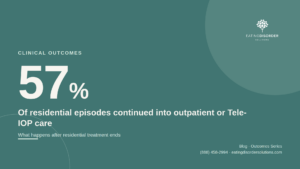
Moreover, we recognize the importance of maintaining continuity of care. That’s why we collaborate closely with you to ensure a seamless transition for ongoing support. By coordinating the best choices for lower levels of care, such as PHP or IOP, we aim to bridge the gap between our specialized care and your broader healthcare needs, ensuring that you have a strong foundation of support even after you complete residential treatment. Our ultimate aim is to equip you with the resources and tools necessary to sustain your journey towards recovery, extending far beyond your time in our care.
Our Levels of Care
Every person's journey is unique. We offer personalized treatment programs designed to meet you where you are and support you every step of the way near Dallas, Texas in Weatherford.
Residential Treatment
24/7 inpatient eating disorder treatment providing structured, medically supported care in a safe, healing environment.
Outpatient Treatment
Daytime eating disorder treatment offering intensive support while allowing clients to live at home and maintain daily responsibilities.
Partial Hospitalization
High-level eating disorder treatment combining daily clinical care with increased flexibility outside of inpatient treatment.
Intensive Outpatient
High-level eating disorder treatment combining daily clinical care with increased flexibility outside of inpatient treatment.
Virtual Outpatient
Fully online eating disorder treatment delivering structured therapy and nutrition support from the comfort of home.
Aftercare
Ongoing eating disorder recovery support designed to maintain progress and reduce the risk of relapse after treatment.
Our Approach
Evidence-Based Care with Heart
We combine the latest research with compassionate, individualized care. Our multidisciplinary team works together to address the physical, emotional, and psychological aspects of eating disorders.
Cognitive Behavioral Therapy
Identify and change harmful thought patterns and behaviors.
Dialectical Behavior Therapy
Build skills for emotional regulation and distress tolerance.
Trauma-Informed Care
Address underlying trauma in a safe, supportive environment.
Why is Aftercare Important in Eating Disorder Recovery?
Having a robust aftercare plan is not just a formality, it’s a crucial part of your recovery journey:
- It ensures continuity of care, which is essential for maintaining the progress you’ve made during your time with us. Without consistent support, there is a higher risk of relapse or setbacks in your recovery. An effective aftercare plan helps bridge the gap between structured treatment and independent living, providing you with the resources and guidance needed to navigate potential challenges.
- Aftercare reinforces the coping strategies and skills you have developed during treatment. It offers ongoing support and accountability, which are vital for long-term recovery. Regular follow-up appointments and therapy sessions allow you to address any emerging issues promptly, preventing them from escalating.
Who Is This Aftercare Program For?
Our aftercare program is designed for individuals who have completed a higher level of eating disorder treatment and need continued structure, accountability, and support as they transition back into daily life. It’s a strong fit for clients stepping down from residential or partial hospitalization who are medically stable and ready to practice recovery skills in real-world settings.
This program works well for those who benefit from ongoing therapeutic guidance, nutrition support, and relapse prevention while rebuilding independence at home, school, or work. Aftercare may not be appropriate for individuals who require intensive medical monitoring, inpatient stabilization, or who are actively engaging in behaviors that require a higher level of care. Our admissions team helps ensure the level of support matches each person’s current needs.
Specialized Programs
We understand that different ages and situations require different approaches. Our specialized programs are tailored to meet specific needs.

Adult Program
Specialized eating disorder treatment designed to support adults balancing recovery with work, family, and daily responsibilities.

Athlete Program
Eating disorder treatment tailored for athletes, addressing performance pressures, fueling needs, and sport-related stressors.

LGBTQ+ Program
Inclusive eating disorder treatment providing affirming, holistic care for individuals in the LGBTQ+ community.

Professionals Program
Specialized eating disorder treatment for professionals balancing recovery with work responsibilities, high stress, and the demands of daily life.

College Students Program
Specialized eating disorder treatment for professionals balancing recovery with work responsibilities, high stress, and the demands of daily life.
What Does a Typical Week in Aftercare Look Like?
Aftercare follows a structured but flexible weekly schedule that supports consistency without overwhelming clients. Treatment typically includes a combination of group therapy, individual therapy, and nutrition support, depending on the level of care and individual treatment plan.
Clients focus on skill-building, emotional regulation, meal support strategies, and applying recovery tools to everyday situations. Family involvement may also be incorporated when clinically appropriate. The goal is to provide enough structure to support recovery while allowing clients to practice independence, responsibility, and self-trust in real-life environments.
How Do Clients Transition Into Aftercare From Higher Levels of Care?
Transitioning into aftercare is a planned, collaborative process designed to prevent gaps in support. Clients typically step down into aftercare after completing residential or partial hospitalization treatment, once clinical and medical stability has been established.
Our team coordinates care across levels to ensure continuity, shared goals, and a smooth adjustment to increased independence. As clients move into aftercare, the intensity of treatment gradually decreases while accountability and skill application increase. This step-down approach helps clients maintain progress, build confidence, and reduce the risk of relapse during a critical phase of recovery.
Request A Call
Fill out the form below, and we’ll contact you shortly.
Conditions We Treat
We provide specialized care for all types of eating disorders across the Dallas–Fort Worth area.
Anorexia Nervosa
A restrictive eating disorder marked by fear of weight gain and distorted body image, requiring comprehensive medical, nutritional, and therapeutic care.

Bulimia Nervosa
An eating disorder involving cycles of binge eating and compensatory behaviors, often driven by emotional distress and body image concerns.

Binge Eating Disorder
Characterized by repeated episodes of eating large amounts of food with a sense of loss of control, without compensatory behaviors.

Compulsive Overeating
Recurrent episodes of overeating driven by emotional distress rather than physical hunger. Treatment helps address emotional triggers, reduce shame, and develop healthier coping strategies.

Body Dysmorphia
Persistent distress about perceived flaws in appearance that impact daily life. Treatment focuses on improving body image and reducing obsessive thoughts through structured therapeutic support.

Orthorexia
An unhealthy fixation on eating “clean” or “healthy” foods that leads to rigid rules and anxiety around meals. Treatment promotes flexibility, balanced nutrition, and a more sustainable relationship with food.

Co-Occurring Disorders
An eating disorder occurring alongside conditions such as anxiety, depression, or trauma. Treatment addresses both concerns together to support lasting recovery and emotional stability.
ARFID & Other Disorders
Includes avoidant or restrictive eating patterns and other specified feeding or eating disorders that require individualized treatment approaches.

Most Insurances Accepted
We work with most major insurance providers and offer flexible payment plans


Our admissions team will verify your insurance benefits at no cost and help you understand your coverage.
Real People, Real Results
What Types of Aftercare Services Does Eating Disorder Solutions Offer?
Aftercare may include outpatient therapy referrals, nutrition counseling, psychiatric follow-ups, relapse-prevention planning, support groups, and coordinated care with local providers. The goal is to create a personalized support system that continues your recovery outside of our facility.
When Does Aftercare Planning Begin?
Aftercare planning begins as soon as you enter treatment. Our clinical team works with you throughout your stay to prepare for your next level of care, ensuring a smooth and supportive transition when you leave residential or partial hospitalization.
How Long Does Eating Disorder Aftercare Last?
There is no fixed timeline. Some people benefit from months of structured aftercare, while others continue outpatient support for years. Your care plan is based on your needs, progress, and recovery goals.
Is Aftercare Available To Dallas-Area Residents Only?
Aftercare serves individuals in the Dallas–Fort Worth area and surrounding communities.
Is Aftercare Still Helpful If Symptoms Feel Mostly Under Control?
Yes. Aftercare helps solidify recovery before challenges escalate.
What’s The Biggest Mistake People Make After Treatment?
Returning to full independence too quickly without structured support.
Does Aftercare Support Co-Occurring Anxiety Or Depression?
Yes. Co-occurring mental health conditions are commonly addressed in treatment.
Why Choose Eating Disorder Solutions near Dallas?
Eating Disorder Solutions, serving the Dallas area, offers compassionate, evidence-based care in a peaceful, home-like setting designed to help clients feel safe, supported, and understood. Our multidisciplinary team provides individualized treatment across multiple levels of care, blending clinical excellence with real-world recovery skills that translate beyond treatment. With a strong focus on nutrition, therapy, and long-term healing, we help clients build a sustainable path to recovery, not just short-term progress.
Aftercare Support Glossary
Recovery from an eating disorder is a lifelong journey, and the transition out of formal treatment is a critical phase. Understanding the clinical terminology associated with aftercare can help clarify how progress is maintained once a client returns to daily life. Below are key terms discussed on this page:
Accountability
The practice of taking responsibility for one’s actions and recovery goals, often with the support of others. In an aftercare program, accountability is provided through regular check-ins, therapy sessions, and peer support, helping clients stay on track when faced with real-world triggers.
Aftercare Plan
A personalized, structured roadmap created before a client discharges from treatment. An aftercare plan identifies the specific resources, therapy appointments, and support systems needed to maintain recovery and prevent relapse as the client transitions back to independent living.
Continuity of Care
The seamless transition of medical and psychological support as a patient moves from one level of treatment to another. The page emphasizes that continuity of care is essential for bridging the gap between intensive residential treatment and independent living, significantly reducing the risk of setbacks.
Coping Strategies
The specific skills and techniques a client learns during treatment to manage stress, anxiety, and urges to engage in disordered eating behaviors. Aftercare focuses heavily on reinforcing these coping strategies so they become automatic responses in everyday life.
Discharge Planning
The collaborative process of preparing a client to leave a treatment facility. At EDS, discharge planning begins the moment a client is admitted, ensuring that the transition out of care is thoughtful, well-resourced, and designed to enhance the recovery journey rather than rush it.
Relapse Prevention
A proactive clinical approach focused on identifying potential triggers and warning signs before a return to disordered eating occurs. A robust aftercare program is fundamentally a relapse prevention strategy, providing the ongoing support needed to address emerging issues promptly.
Step-Down Transition
The process of moving from a higher, more restrictive level of care (like residential treatment) to a lower, more flexible level (like PHP or IOP). Aftercare provides the necessary structure to make this transition safe and successful.
Related Reading From Our Blog

Refeeding Syndrome: A Guide for Eating Disorder Recovery
Key Takeaways Monitoring for this risk is largely the dietitian’s role in recovery. Refeeding syndrome is a serious shift in fluids and electrolytes that can

How Self-Compassion Supports Eating Disorder Recovery: Speaking to Yourself with Kindness
Recovery is not a straight line. It’s more like a winding road full of unexpected detours, scenic overlooks, and a few potholes that might shake

One Year from Now: Visualizing Your Future Beyond Your Eating Disorder
What if you could time travel, just for a second? Not to some distant sci-fi future, but to a version of your life just one

How to Ask for Help (Even When It Feels Hard!)
Asking for help can feel like one of the most difficult things to do, especially when you’re struggling with an eating disorder. Whether it’s feelings

6 Stages of Our Holistic Eating Disorder Treatment
Eating disorders are complex conditions that affect not only your physical health but also your mental and emotional well-being. At Eating Disorder Solutions, we believe

The Power of Time: Healing from an Eating Disorder at a Residential Treatment Center
“Healing is not a race; it’s a journey that requires time, patience, and self-compassion. Only by allowing ourselves to truly heal can we emerge stronger