
After completing 75 consecutive days of treatment at Eating Disorder Solutions, if you experience a significant setback you can receive an additional 75 consecutive days of treatment at no cost.
Emily's Eating Disorder Recovery Story
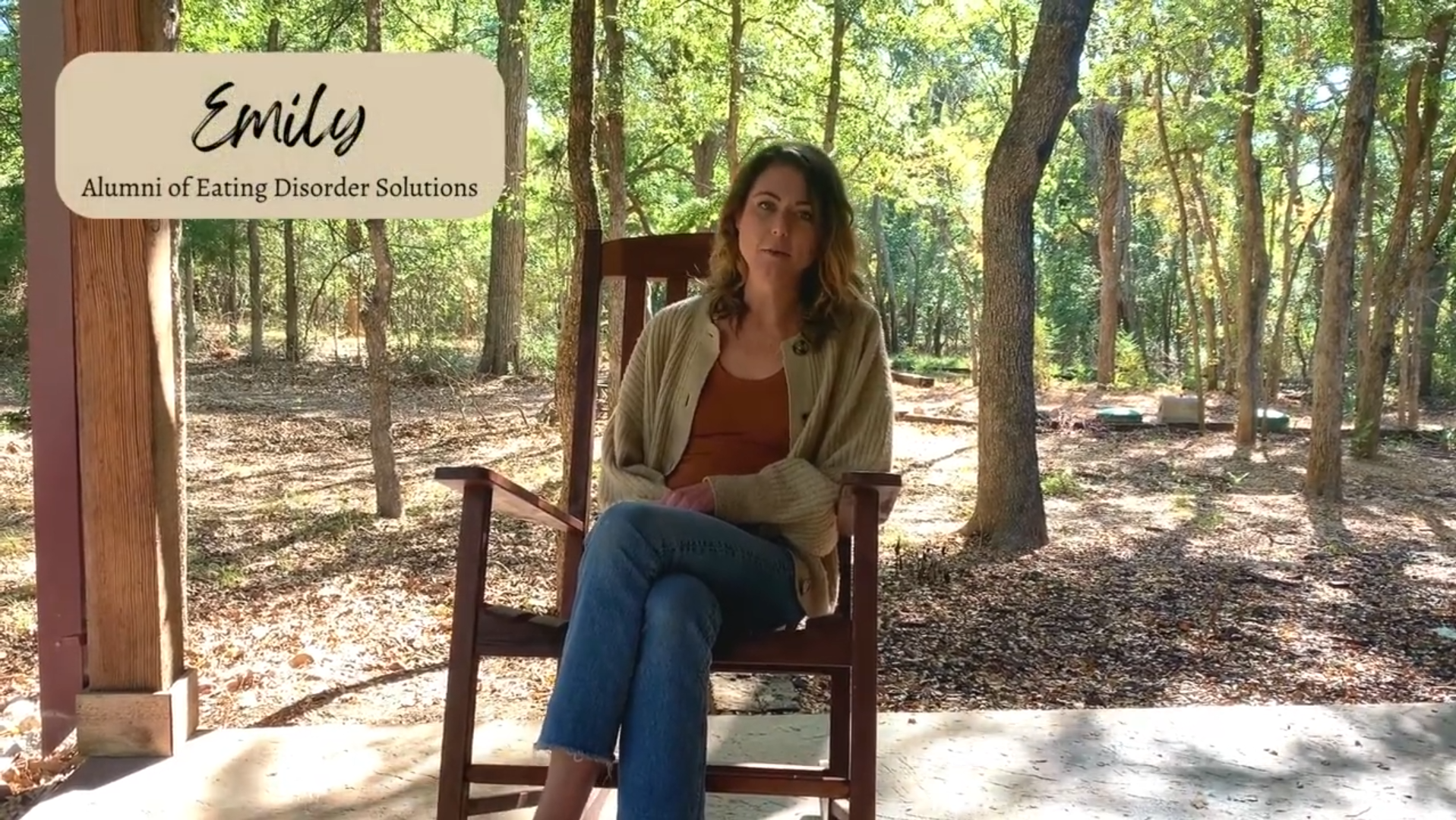
Emily’s eating disorder began when she was around 14 years old. She knew something was wrong, but she couldn’t resolve it while training and playing four varsity sports in high school. Her athletic life seemed to have come to an end when she finally reached college, but as her new journey began, she realized that the life of an athlete, such as training, cutting, bulking, and working out, had all disappeared, and she felt as if a part of herself had gone with it.
She struggled to find her identity outside of sports, and she began to cope with alcohol to get her through the tough times. Just as many athletes deal with body weight fluctuations, especially when the sport calls for bulking or losing a certain amount of weight, it takes a toll on an athlete’s mental health. Consequently, her eating disorder and alcoholism became intertwined to help her cope with the emotions she couldn’t understand at the time.
Since then, Emily has gone through therapy at other eating disorder facilities, but she clarified that she finally felt as if the lessons, therapies, and environment of Eating Disorders Solutions pushed her past her hardships, and allowed her to see herself for who she is for the first time in a long time. In spite of her long struggle, she is grateful that Eating Disorder Solutions helped her gain a sense of compassion and self-love, as she now knows everyone does truly deserve recovery and fulfilling life.
Video Testimonial Summary
Key Takeaways from Emily’s Story
•Traveling for Treatment: Emily chose to travel from out of state to attend EDS, prioritizing distance from the familiar as a key factor in her ability to focus on recovery.
•Over a Decade of Struggle: Emily’s eating disorder had been a part of her life for more than twelve years, during which she experienced periods of hopelessness before finding the right support at EDS.
•Whole-Person, Dual-Diagnosis Care: EDS addressed Emily’s co-occurring condition alongside her eating disorder, which she identified as a critical component of her transformational stay.
•Rebuilding Body Image: A major focus of Emily’s treatment was dismantling a deeply negative internal dialogue about her body and replacing it with compassion, respect, and forgiveness.
•Renewed Hope: Emily left EDS on her last day feeling full of optimism and a genuine belief that she has a lot of life left to live — a stark contrast to where she was before treatment.
Video Testimonial Transcript
Choosing EDS and Traveling for Treatment
Hi, my name is Emily. I’ve been at EDS for about five weeks now and today is my last day here. I’m so grateful I chose EDS and I did after a lot of thinking about it. I’m actually from a couple states away and I really wanted to get away from the familiar and into somewhere where I can just focus on myself.
And after talking to the staff and looking at the website and the testimonials and things, I really, really felt like this would be a great fit for me.
A Transformational Stay with Whole-Person Care
My stay here has been really transformational. I actually have a co-occurring issue that I’m dealing with as well, in addition to the eating disorder. And I really appreciated that EDS, you know, understands that and they’ve really taken my whole being into account. So I’ve really been able to address all parts of myself that have been holding me back in life. And I really feel that addressing the whole person head on has been a part of my life for 12 years now, a little more than.
Finding Hope After Twelve Years
And, you know, there were a lot of times I gave up hope or thought that it was just a worthless venture that I was going on. And I’ve really discovered this time around that with the right people and the willingness to make a change, I’m just tired, you know, and I think I came to the right place because I do feel like I have a lot of life left to live now. When at some point, you know, I thought I didn’t have any life to live. I thought this had to hold on me forever, but I have a lot of hope now and I’m full of optimism.
Rebuilding Body Image and Self-Compassion
Body image has been historically a huge impediment for me, just in terms of recovery and getting rid of this thing. This time at EDS, I’ve really been trying to be kind to my body and my mind, just treating it with respect and dignity. I think I’ve been a real jerk to my body for a long time, just my internal dialogue and the way I put myself down.
And I’ve been trying to treat myself like I would treat a friend, you know, understanding, respectable, forgiving. There are a lot of times my body shouldn’t have kept going or shouldn’t have been as resilient as it has been. And it stayed with me, you know, so I think it’s about time that I pay my dues and show it some love back, because that’s what it deserves.

Anorexia Nervosa Treatment
Our anorexia nervosa treatment focuses on restoring healthy eating habits and addressing underlying psychological issues. Individual therapy, nutritional counseling, and medical monitoring are integrated to support clients in achieving a balanced relationship with food and body image.

Bulimia Nervosa Treatment
Bulimia treatment aims to break the binge-purge cycle by addressing the emotional triggers and behaviors associated with bulimia. Therapy and nutritional support help clients develop healthier coping mechanisms and improve their relationship with food.

Binge Eating Disorder Treatment
Our binge eating disorder treatment program focuses on managing the emotional factors that lead to overeating. Clients receive therapy and nutritional guidance to develop healthier eating habits and gain control over their eating behaviors.

Body Dysmorphia Treatment
Body dysmorphia treatment helps clients challenge distorted perceptions of their body image. Through specialized therapy, clients learn to develop a more realistic and positive view of their appearance, reducing obsession and anxiety.

ARFID Treatment
Treatment for Avoidant/Restrictive Food Intake Disorder (ARFID) focuses on expanding dietary variety and reducing food avoidance behaviors. Our program uses therapeutic interventions tailored to the individual’s needs to promote nutritional health.

OSFED Treatment
Other Specified Feeding or Eating Disorders (OSFED) are treated with customized care plans that address their unique symptoms. Our program provides therapy and support to help clients develop a healthy relationship with food.

UFED Treatment
For Unspecified Feeding or Eating Disorders (UFED), we offer personalized therapy that meets each client’s specific needs, promoting recovery and overall well-being.

Orthorexia Treatment
Orthorexia treatment focuses on reducing the obsession with “perfect” eating. Our approach helps clients develop a balanced relationship with food, emphasizing health without rigid dietary rules.

Compulsive Overeating Treatment
Our treatment for compulsive overeating targets the emotional triggers that lead to overeating. Clients learn to manage these triggers through therapy and nutritional counseling and adopt healthier eating patterns.

Co-Occurring Disorder Treatment
We provide integrated care for clients with eating disorders and co-occurring mental health conditions. This comprehensive approach ensures that all aspects of a client’s well-being are addressed, supporting recovery and overall mental health.
We’re Here to Help
Eating Disorder Solutions offers personalized residential and outpatient eating disorder treatment in the Dallas, TX area. We provide treatment with integrity, promoting holistic approaches that heal the mind, body, and soul. If you’re ready to begin your recovery journey, call us now at 855-245-0961 or complete the form.
What Sets Us Apart
- Personalized Treatment
- Licensed Specialists
- Same-Day Intake
- Flexible Scheduling
- Evidence-Based Therapies
- Long-Term Recovery
Request A Call
Fill out the form below, and we’ll contact you shortly.
Residential Center
Outpatient Center

Adults of All Ages
We treat adults across all life stages, from young professionals to those in midlife or retirement. Some have battled OSFED since adolescence, while others develop symptoms later in life due to stress, health changes, or personal loss.

College Students
College life can increase OSFED risk, with pressures from academics, social comparison, and irregular eating patterns. We help students develop balanced routines, manage campus triggers, and build coping strategies for dining halls, parties, and late-night study sessions.

LGBTQ+ Individuals
We provide affirming, culturally sensitive care for LGBTQ+ clients, recognizing the unique impact of stigma, body image pressures, or gender dysphoria. Our team creates a safe space where clients can explore identity issues and learn healthier ways to cope without relying on disordered eating.

Athletes
Athletes may develop OSFED due to weight pressures, performance demands, or rigid training routines. Our sports-informed team helps clients balance proper nutrition with athletic goals while addressing perfectionism and identity tied to sport.

Working Professionals
High-pressure careers can fuel disordered eating patterns like skipping meals, nighttime overeating, or extreme dieting. We offer flexible in-person and virtual OSFED treatment options to fit around busy work schedules and professional demands.
Most Insurances Accepted





Real People, Real Results
Frequently Asked Questions
Can I travel from out of state to receive treatment at Eating Disorder Solutions?
Yes. Emily traveled from several states away to attend EDS specifically because she wanted to remove herself from familiar surroundings and create a focused space for healing. EDS welcomes patients from across the country and can assist with admissions planning regardless of your location.
How long did Emily stay at Eating Disorder Solutions?
Emily completed a five-week stay in the Residential program at Eating Disorder Solutions. During that time, she described her experience as “really transformational,” addressing both her eating disorder and a co-occurring condition.
Does EDS treat co-occurring conditions alongside eating disorders?
Yes. Emily specifically highlighted EDS’s ability to address her co-occurring condition alongside her eating disorder as a defining feature of her care. The team’s whole-person approach ensured that every part of her — not just the eating disorder — was treated.
How long had Emily been struggling with her eating disorder before coming to EDS?
Emily had been living with her eating disorder for more than twelve years before her stay at EDS. During that time, she experienced periods of hopelessness and felt the disorder would hold her back forever.
Is it possible to recover from a long-term eating disorder?
Yes. Emily’s story is a powerful example of recovery after more than a decade of struggle. She left EDS feeling full of hope and optimism, believing she has a lot of life left to live — a feeling she had not experienced in many years.
Why did Emily choose to travel out of state for eating disorder treatment?
Emily made a deliberate decision to travel away from home to remove herself from familiar environments and distractions. She felt that creating physical distance from her everyday life would allow her to focus entirely on herself and her recovery.