
Key Takeaways
An eating disorder self-test is a quick screening tool that can help you notice warning signs and decide whether to seek a professional evaluation. It is a helpful starting point, not a diagnosis; only a trained clinician can diagnose an eating disorder. If a self-test raises concerns, reaching out for a professional assessment is a smart next step.
- A self-test screens for common warning signs but cannot diagnose an eating disorder on its own.
- Validated questionnaires, such as the SCOFF, are designed to flag people who may benefit from a fuller evaluation.
- A low score does not rule out an eating disorder, especially if you are worried about your eating or body image.
- Eating disorders affect people of all genders, ages, and body sizes, so no one should feel they are “not sick enough” to seek help.
- If results raise concern, a professional assessment is the recommended next step.
Why Taking a “Do I Have an Eating Disorder Self-Test” Matters
If you’re wondering do I have an eating disorder self-test can help, you’re not alone. An estimated 30 million U.S. adults will experience an eating disorder at some point in their lives, yet many struggle in silence, unsure if their symptoms “count” or if they deserve help. Quick Answer: What You Need to Know About Eating Disorder Self-Tests
- Purpose: Self-tests screen for eating disorder risk using validated questions about your relationship with food, weight, and body image
- Not a Diagnosis: These tools identify warning signs but cannot replace professional evaluation
- Common Tests: The EAT-26 (threshold score of 20+) and other screening questionnaires assess behaviors like restriction, binging, and compensatory actions
- Next Steps: If you score high or feel concerned regardless of your score, seek professional help, eating disorders have the highest mortality rate of any mental illness
- Important Note: Low scores don’t rule out serious problems, especially for conditions like Binge Eating Disorder
Maybe you’ve noticed yourself skipping meals more often. Or perhaps you eat in secret and feel overwhelming guilt afterward. You might obsessively count calories, exercise through pain, or feel your worth is tied entirely to the number on the scale. These behaviors exist on a spectrum. What starts as “just being health-conscious” can quietly shift into something more serious. The challenge is that eating disorders often make it difficult to recognize when you’re sick. You might think you’re not “sick enough” for help, or that others have it worse. That’s where screening tools come in. A self-test won’t diagnose you, but it can help you see patterns you’ve been missing. It’s a first step toward understanding whether your relationship with food has crossed from healthy into harmful territory. The research is clear: early intervention matters. Yet many people wait years before seeking help, often because they don’t realize the severity of their symptoms. A simple screening questionnaire can be the wake-up call that saves a life. 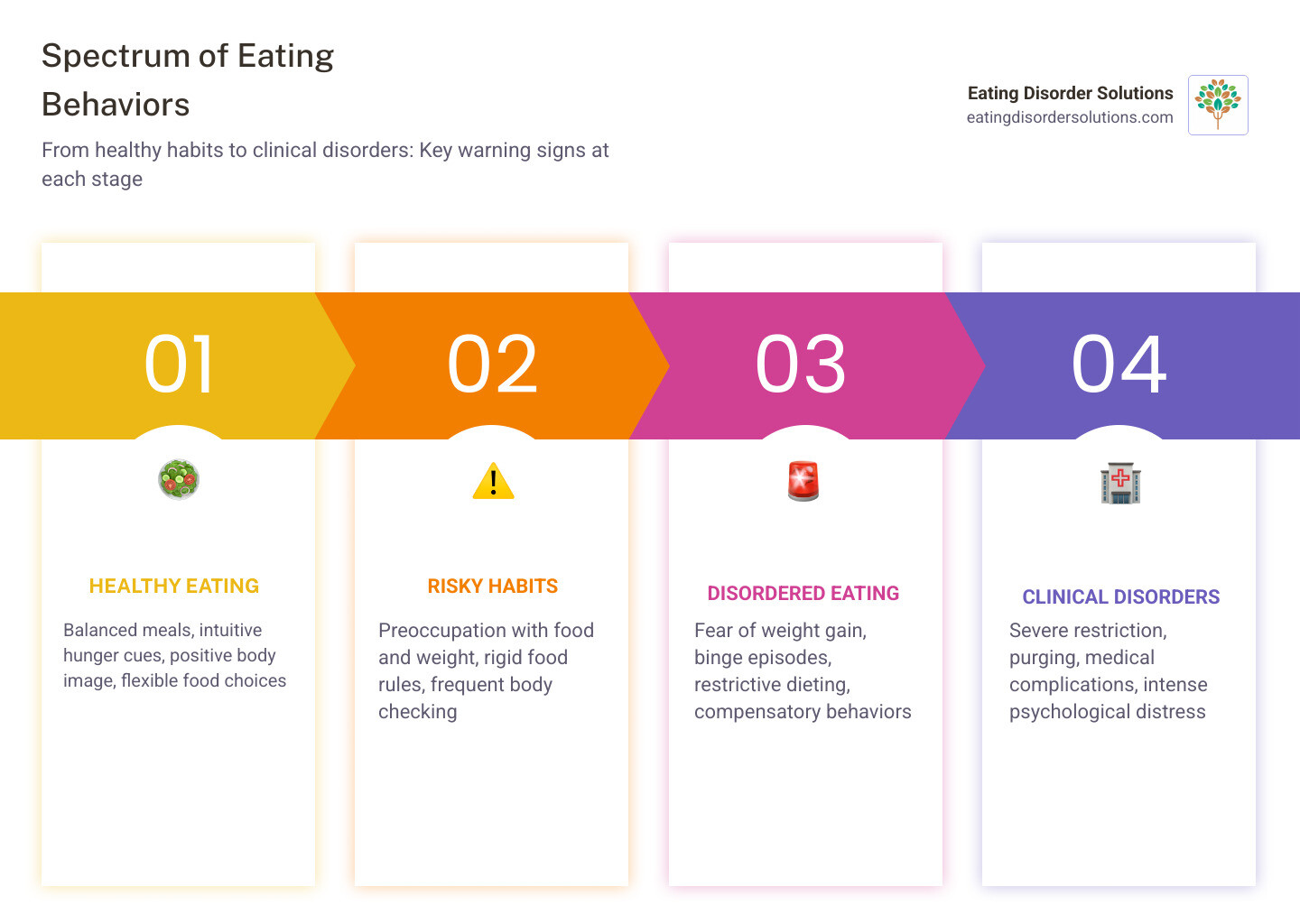
Understanding the “Do I Have an Eating Disorder Self-Test”

Who Should Consider Taking a Do I Have an Eating Disorder Self-Test?
We believe that anyone who feels their thoughts about food or weight are starting to interfere with their daily happiness should consider a screening. While these tests are designed for adults, they are used across many different demographics:
- Athletes: Competitive environments can sometimes mask disordered eating as “dedication.” Knowing how to recognize the hidden signs of eating disorders in athletes is crucial for coaches and players alike.
- Chronic Dieters: If you are constantly on a diet or feel your identity is tied to your clothing size, a screening can help you see if these habits have become harmful.
- Those with Significant Weight Changes: Whether it is rapid loss or gain, physical changes often mirror psychological shifts.
- Individuals Feeling “Out of Control”: If you find yourself eating large amounts of food in secret, a test can help identify Binge Eating Disorder (BED).
The Purpose of Early Screening
Why is taking a do I have an eating disorder self-test so urgent? Because eating disorders have the highest mortality rate of any mental illness. Early screening leads to early intervention, which significantly improves the chances of a full recovery. By recognizing symptoms early, we can address the nutritional, physical, and psychological aspects of the disorder before they cause permanent damage. Understanding these Eating Disorders: 10 Important Facts You Need to Know can help you realize that you aren’t just “fussy” or “disciplined”, you might be dealing with a serious medical condition that deserves professional attention.
Common Signs and Behaviors Screened by Self-Tests
Most self-tests, including the ones used by national mental health organizations and validated questionnaires such as the SCOFF screening tool (Morgan et al., 1999), look for specific “red flags.” These aren’t just about what you eat; they are about how you feel about what you eat. One major behavior we look for is “body checking.” This involves repeatedly checking your appearance in mirrors, measuring parts of your body, or weighing yourself multiple times a day. You can learn more about this obsessive habit in our guide: What is Body Checking?. Other behaviors screened include:
- Food Restriction: Cutting out entire food groups (like carbs or fats) or skipping meals regularly.
- Binge Eating: Eating an unusually large amount of food in a short period while feeling a total loss of control.
- Compensatory Behaviors: Using exercise, vomiting, or laxatives to “make up” for food eaten.
- Fear of Weight Gain: An intense, often irrational fear of gaining even a small amount of weight.
A scientific study on screening tools for college-age women highlights that these tools are incredibly effective at catching symptoms that people might otherwise dismiss. For a deeper look at these behaviors, check out Unmasking Red Flags: A Guide to Recognizing Concerning Eating Habits.
Physical and Behavioral Red Flags
While many signs are mental, physical changes are often the first things others notice. These might include:
- Weight Fluctuations: Significant ups and downs that aren’t explained by a medical condition.
- Social Isolation: Avoiding dinners, parties, or outings because food will be present.
- Dizziness or Fatigue: Signs that the body isn’t getting enough fuel.
- Obsessive Calorie Counting: Spending hours tracking every morsel of food.
It is important to note that you don’t have to be underweight to be in danger. For instance, Atypical Anorexia Nervosa: Signs & Symptoms can occur in people at or above a “normal” weight, yet the physical toll is just as severe. You can find a full list of Signs and Symptoms of an Eating Disorder on our site.
Psychological Indicators
The “voice” of an eating disorder is often the loudest symptom. This includes a distorted body image, where you see yourself very differently than how others see you. If you find yourself constantly worried about your appearance, you might ask, Do I Have Body Dysmorphia?. Other psychological signs include:
- Intense Guilt: Feeling like a “bad person” after eating certain foods.
- Emotional Eating: Using food as the primary way to cope with stress, sadness, or even joy. Understanding Emotional Eating is a key step in untangling these habits.
- Identity Ties: Feeling that your only value comes from your weight or your ability to control your food intake.
Types of Eating Disorders These Tests May Identify
Eating disorders are not “one size fits all.” A do I have an eating disorder self-test might point toward several different diagnoses.
| Disorder | Primary Characteristics | Common Warning Signs |
|---|---|---|
| Anorexia Nervosa | Severe restriction, fear of weight gain | Extreme weight loss, denial of hunger, hair loss |
| Bulimia Nervosa | Bingeing followed by purging | Swollen cheeks, frequent bathroom trips after meals |
| Binge Eating Disorder | Large binges without purging | Eating until uncomfortably full, eating in secret |
| ARFID | Restriction based on sensory issues/fear | Very limited food range, lack of interest in eating |
| OSFED | Symptoms that don’t fit other categories | Significant distress but doesn’t meet full “weight” criteria |
If you specifically suspect restriction, you can take our Anorexia Test. If you aren’t sure which path your symptoms follow, it helps to understand The Differences Between Anorexia and Bulimia. For those who struggle with bingeing, What is Binge Eating Disorder? provides a clear look at the most common eating disorder in the U.S. We also see many cases of ARFID (Avoidant/Restrictive Food Intake Disorder), which often gets mislabeled. You might wonder, Can Picky Eating Be an Eating Disorder?, and the answer is often yes. Finally, there is OSFED, or Otherwise Specified Eating Disorders. This is a “catch-all” for serious eating issues that don’t perfectly fit the other boxes but are just as life-threatening.
Recognizing Lesser-Known Conditions
Beyond the “big three,” several other conditions are frequently caught by modern screening tools:
- Orthorexia: An obsession with “pure” or “clean” eating that becomes restrictive and damaging. What is Orthorexia? explains how a health kick can turn dangerous.
- Diabulimia: This affects individuals with Type 1 diabetes who purposefully misuse insulin to lose weight. It is incredibly dangerous. Learn more at Diabulimia: What You Need to Know.
- Night Eating Syndrome: Consuming a large portion of daily calories after the evening meal, often waking up at night to eat. Check out What is Night Eating Syndrome? for details.
The Limitations of a Do I Have an Eating Disorder Self-Test
We must be honest: an online test is not a doctor. It cannot check your heart rate, your blood work, or your bone density. The Diagnosis of an eating disorder requires a clinical interview. One major limitation is the “false negative.” For example, people with Binge Eating Disorder often score low on the EAT-26 because that specific test focuses heavily on restriction and purging. If you feel you are struggling but the test says you’re “fine,” please don’t ignore your gut. You can always ask, Am I Sick Enough for Treatment?, and the answer is: if it’s affecting your life, you deserve help.
Next Steps: What to Do After Your Results
So, you’ve taken a do I have an eating disorder self-test and the results are concerning. What now? The first step is a medical evaluation. An eating disorder is a physical illness as much as a mental one. You can prepare by looking through our Eating Disorder FAQs to know what to expect. It’s also helpful to recognize The Fine Line Between Dieting and Disordered Eating so you can clearly explain your habits to a provider.
How to Talk to a Professional About Your Results
Talking about these behaviors can feel shameful, but remember: healthcare providers are there to help, not judge. It helps to distinguish your own voice from the disorder’s voice. We have a guide on How to Tell if It’s Your Eating Disorder Talking to You that can help you find the words. Be prepared for the “ED voice” to try and minimize your struggle. Don’t listen to the 3 Lies Your Eating Disorder Voice is Telling You (like “you’re not thin enough” or “you can stop anytime”). A clinical assessment will look at your score, your BMI, and your behaviors to determine the best path forward.
Finding the Right Level of Support
Treatment isn’t “one size fits all.” Depending on the severity of the Cycles of an Eating Disorder, you might need:
- Inpatient/Residential: 24/7 care for medical stabilization and intensive therapy.
- Partial Hospitalization (PHP): Full days at a center, but sleeping at home.
- Intensive Outpatient (IOP): Several hours of therapy a few days a week.
- Outpatient: Weekly sessions with a therapist and dietitian.
Understanding The Causes of an Eating Disorder: A Look Inside can help you and your team choose the right level of care for your specific history and trauma.
Frequently Asked Questions about Eating Disorder Screening
Can a low score on a self-test mean I don’t have an eating disorder?
No. Low scores do not rule out serious problems. This is especially true for Binge Eating Disorder or OSFED, as some tests are biased toward anorexia-like symptoms. If your relationship with food feels painful, obsessive, or out of control, professional consultation is always recommended regardless of what a quiz says.
Is an online eating disorder test a medical diagnosis?
No. These tests are screening tools designed to identify risk. A medical diagnosis can only be made by a licensed mental health professional or a medical doctor after a thorough physical and psychological evaluation.
What should I do if I suspect a loved one has an eating disorder?
Approach them with compassion, not judgment. You can suggest they take a screening tool as a low-pressure way to start a conversation. Offer to help them find a specialist and remind them that recovery is possible.
Conclusion
At Eating Disorder Solutions, we know that the journey from taking a do I have an eating disorder self-test to entering treatment can feel overwhelming. That’s why we focus on holistic, trauma-informed care that treats the whole person, not just the symptoms. Whether you are in Dallas, Weatherford, or anywhere in Texas, we provide individualized, compassionate care in a warm, home-like setting. We believe in the power of human connection and offer compassionate, individualized support as you begin your recovery. If you’re ready to take that first step, you can take our Eating Disorder Test today. Healing is possible, and you don’t have to do it alone. Reach out to us, we’re here to help you find your way back to a healthy, happy relationship with food and yourself.
References
For eating patterns centered on food “purity,” our orthorexia self-assessment screens for the warning signs specific to orthorexia. If those signs sound familiar, our orthorexia treatment program can help.
- Morgan JF, Reid F, Lacey JH. The SCOFF questionnaire: assessment of a new screening tool for eating disorders. BMJ. 1999;319(7223):1467-1468. doi:10.1136/bmj.319.7223.1467
- Garner DM, Olmsted MP, Bohr Y, Garfinkel PE. The eating attitudes test: psychometric features and clinical correlates. Psychol Med. 1982;12(4):871-878. doi:10.1017/s0033291700049163
- Tylka TL, Kroon Van Diest AM. The Intuitive Eating Scale-2: item refinement and psychometric evaluation with college women and men. J Couns Psychol. 2013;60(1):137-153. doi:10.1037/a0030893
Support and Crisis Resources
If you or someone you love is struggling, support is available. The National Institute of Mental Health offers free, research-based information about eating disorders at nimh.nih.gov. If you are in crisis or need immediate help, call or text 988 to reach the 988 Suicide and Crisis Lifeline, a free, confidential service available 24/7.
Related Reading
For more educational articles and resources on eating disorder recovery, visit our Educational Resources page.