

















Diagnosing Eating Disorders: A Comprehensive Guide

Diagnosing eating disorders is a critical step for ensuring individuals receive appropriate care and treatment. Eating disorders are complex mental disorders characterized by disordered eating behavior, unhealthy obsessions with body image, and patterns such as restrictive eating, bingeing, purging, or other unhealthy habits.

Joint Commission - Eating Disorder Solutions

Joint Commissions

Certified

75+75 Treatment Guarantee

Treatment Guarantee

75+75

Hall of Fame Health Elite Care Center

Elite Care Center

Hall of Fame

Psychology Today

Verified

Understanding Eating Disorders and Their Types

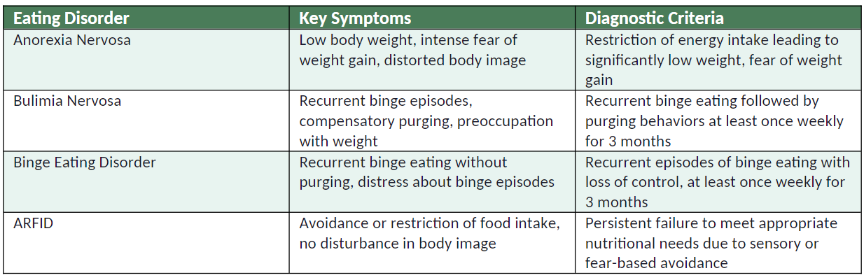
Eating disorders include several types of psychiatric conditions that primarily affect eating behavior and mental health. The most common types of eating disorders diagnosed include anorexia nervosa, bulimia nervosa, binge eating disorder (also referred to as binge-eating disorder), and avoidant/restrictive food intake disorder (ARFID). Each type of eating disorder has unique symptoms and diagnostic criteria that a care provider uses during assessment.

People with eating disorders often present with an obsession with body image, abnormal eating patterns such as eating large amounts of food or severe restriction, and behaviors like vomiting or purging to control weight. In adolescent populations, eating disorders can present in subtle ways but carry a high risk of complications. The Diagnostic and Statistical Manual of Mental Disorders (DSM-5), published by the American Psychiatric Association, outlines the diagnostic criteria for eating disorders, aiding psychiatric care providers and primary care clinicians in diagnosis and treatment planning [1].

Diagnostic Criteria for Eating Disorders

The diagnostic criteria for eating disorders vary by disorder but generally focus on abnormal eating behavior, fear of weight gain, distorted body image, and the presence of physical or psychological symptoms. For example, anorexia nervosa is characterized by significantly low body weight, intense fear of gaining weight, and disturbed perception of body image. Bulimia nervosa involves recurrent episodes of binge eating followed by compensatory behaviors such as vomiting, purging, or excessive exercise.

Binge eating disorder is identified by repeated episodes of eating large amounts of food without compensatory purging behaviors, often accompanied by feelings of loss of control. Feeding and eating disorders also include ARFID, which involves avoidance or restriction of food intake, not related to body image concerns but to sensory issues or fear of adverse consequences. Obsessive-compulsive disorder can co-occur with eating disorders, complicating diagnosis [2].

Eating Disorder Symptoms and Diagnostic Criteria

Our Levels of Care

Every person's journey is unique. We offer personalized treatment programs designed to meet you where you are and support you every step of the way near Dallas, Texas in Weatherford.

Residential Treatment at Eating Disorder Solutions House Icon

Residential Treatment

24/7 inpatient eating disorder treatment providing structured, medically supported care in a safe, healing environment.

Outpatient Eating Disorder Treatment Icon

Outpatient Treatment

Daytime eating disorder treatment offering intensive support while allowing clients to live at home and maintain daily responsibilities.

Partial Hospitalization Program Outpatient at Eating Disorder Solutions Icon

Partial Hospitalization

High-level eating disorder treatment combining daily clinical care with increased flexibility outside of inpatient treatment.

Intensive Outpatient Program at Eating Disorder Solutions Icon

Intensive Outpatient

High-level eating disorder treatment combining daily clinical care with increased flexibility outside of inpatient treatment.

Virtual Outpatient Program Telehealth at Eating Disorder Solutions Icon

Virtual Outpatient

Fully online eating disorder treatment delivering structured therapy and nutrition support from the comfort of home.

Aftercare Treatment at Eating Disorder Solutions Icon

Aftercare

Ongoing eating disorder recovery support designed to maintain progress and reduce the risk of relapse after treatment.

Our Approach

Evidence-Based Care with Heart

We combine the latest research with compassionate, individualized care. Our multidisciplinary team works together to address the physical, emotional, and psychological aspects of eating disorders.

Cognitive Behavioral Therapy Talking Icon

Cognitive Behavioral Therapy

Identify and change harmful thought patterns and behaviors.

Dialectical Behavior Therapy at Eating Disorder Solutions Brain Icon

Dialectical Behavior Therapy

Build skills for emotional regulation and distress tolerance.

Truama-Informed Care at Eating Disorder Solutions Care Icon

Trauma-Informed Care

Address underlying trauma in a safe, supportive environment.

Evidence-Based Care with Heart_ at Eating Disorder Solutions

The Role of Primary Care and Psychiatric Providers

Primary care providers are often the first to identify symptoms of eating disorders during routine health checks. Early recognition requires awareness of signs such as unexplained weight changes, complaints about body image, abnormal eating patterns, and physical symptoms like vomiting or gastrointestinal distress.

Psychiatric evaluation provides a comprehensive diagnosis, often using structured interviews aligned with the diagnostic and statistical manual of mental disorders to confirm the disorder type and severity. Because eating disorders have psychological and physical components, multidisciplinary approaches are vital to diagnosis and treatment. Coordinating with mental health professionals ensures accurate evaluation of coexisting mental disorders, including obsessive-compulsive disorder or anxiety, which frequently overlap with eating disorders.

Symptoms of Eating Disorders: What to Look For

Recognizing symptoms of eating disorders is crucial for timely intervention. Common symptoms include: drastic weight loss or gain, preoccupation with food, calories, and dieting, extreme body dissatisfaction, episodes of binge eating or eating large amounts of food in a discrete period, purging behaviors such as vomiting, misuse of laxatives or diuretics, and avoidance of meals.

Psychological symptoms often accompany these behaviors, including depression, anxiety, and obsessive-compulsive traits. In adolescents, changes in eating behavior can be misinterpreted as normal development, making specialized screening essential. Symptoms often manifest subtly but escalate over time without treatment.

Specialized Programs

We understand that different ages and situations require different approaches. Our specialized programs are tailored to meet specific needs.

Who We Eat for Compulsive Overeating Adults of All Ages

Adult Program

Specialized eating disorder treatment designed to support adults balancing recovery with work, family, and daily responsibilities.

OSFED Who We Treat at Eating Disorder Solutions Adult Athletes

Athlete Program

Eating disorder treatment tailored for athletes, addressing performance pressures, fueling needs, and sport-related stressors.

LGBTQ+ Eating Disorder Treatment Programs at Eating Disorder Solutions

LGBTQ+ Program

Inclusive eating disorder treatment providing affirming, holistic care for individuals in the LGBTQ+ community.

Who We Eat for Compulsive Overeating Professionals

Professionals Program

Specialized eating disorder treatment for professionals balancing recovery with work responsibilities, high stress, and the demands of daily life.

OSFED Who We Treat at Eating Disorder Solutions College Students

College Students Program

Specialized eating disorder treatment for professionals balancing recovery with work responsibilities, high stress, and the demands of daily life.


Physical Tests and Lab Work for Diagnosing Eating Disorders

When diagnosing eating disorders, physical tests and lab work play a crucial role in evaluating the overall health of individuals affected. Primary care providers typically conduct comprehensive blood panels, electrolyte assessments, and organ function tests to identify complications that may arise from disordered eating behaviors. For example, people with anorexia often show electrolyte imbalances or low bone density, while those with binge eating disorder may have elevated blood glucose levels or cardiovascular risks. These tests help clinicians understand the severity and physical impact of symptoms of eating disorders, informing more precise diagnosis and treatment plans.

In addition to routine blood work, specialized assessments such as electrocardiograms (EKG) or thyroid function tests may be necessary to detect psychiatric or medical complications linked to eating disorders. The integration of lab findings with clinical evaluation and diagnostic criteria ensures a holistic approach, addressing both physical and psychological dimensions. Early identification of medical concerns through these tests facilitates timely intervention and enhances recovery outcomes for people with eating disorders.

The Difference Between Disordered Eating and an Eating Disorder

Disordered eating refers to a range of irregular eating behaviors that do not meet the full diagnostic criteria for an eating disorder but still negatively impact a person’s eating behavior and overall health. These behaviors can include occasional bingeing, restrictive dieting, or an unhealthy preoccupation with food and body image. In contrast, an eating disorder, such as anorexia or binge eating disorder, is a clinically recognized psychiatric condition characterized by a distinct set of symptoms of eating disorders that significantly impair physical and emotional well-being.

Understanding this distinction is crucial in the diagnosis and treatment process, as people with eating disorders require comprehensive psychiatric evaluation and specialized treatment options. Primary care providers often serve as the first contact point, helping to identify whether symptoms suggest disordered eating or a full eating disorder. Early recognition and intervention can improve outcomes and prevent the progression from disordered eating to a more severe psychiatric disorder.

The Difference Between Disordered Eating and an Eating Disorder_

Diagnosing Co-Occurring Mental Disorders with Eating Disorders

It is common for people with eating disorders to experience co-occurring mental disorders such as anxiety, depression, or obsessive-compulsive disorder. These psychiatric conditions can complicate both the diagnosis and treatment of eating disorders, as overlapping symptoms may obscure the clinical picture. Accurate diagnosis requires a thorough evaluation guided by established diagnostic criteria, encompassing both the eating disorder and any co-existing mental health issues.

A multidisciplinary approach involving mental health specialists, primary care providers, and dietitians is essential to identify and manage these co-occurring disorders effectively. Treatment options tailored to address both the eating disorder and the additional psychiatric conditions can lead to improved recovery rates and better overall mental health outcomes for individuals navigating these complex challenges.

Request A Call

Fill out the form below, and we’ll contact you shortly. 

Conditions We Treat

We provide specialized care for all types of eating disorders in Dallas, Texas.

ARFID Treatment Icon

Anorexia Nervosa

A restrictive eating disorder marked by fear of weight gain and distorted body image, requiring comprehensive medical, nutritional, and therapeutic care.

Bulimia Disorder Treatment Icon

Bulimia Nervosa

An eating disorder involving cycles of binge eating and compensatory behaviors, often driven by emotional distress and body image concerns.
Binge Eating Disorder Treatment Icon

Binge Eating Disorder

Characterized by repeated episodes of eating large amounts of food with a sense of loss of control, without compensatory behaviors.

OSFED Treatment Icon

Compulsive Overeating

Recurrent episodes of overeating driven by emotional distress rather than physical hunger. Treatment helps address emotional triggers, reduce shame, and develop healthier coping strategies.

Body Dysmorphia Treatment Grey Icon

Body Dysmorphia

Persistent distress about perceived flaws in appearance that impact daily life. Treatment focuses on improving body image and reducing obsessive thoughts through structured therapeutic support.

EDS Orthorexia Icon

Orthorexia

An unhealthy fixation on eating “clean” or “healthy” foods that leads to rigid rules and anxiety around meals. Treatment promotes flexibility, balanced nutrition, and a more sustainable relationship with food.

EDS Co-Occurring Disorders Icon

Co-Occurring Disorders

An eating disorder occurring alongside conditions such as anxiety, depression, or trauma. Treatment addresses both concerns together to support lasting recovery and emotional stability.

ARFID & Other Disorders

Includes avoidant or restrictive eating patterns and other specified feeding or eating disorders that require individualized treatment approaches.


Overcoming Barriers to Seeking an Eating Disorder Diagnosis

Many people with eating disorders face significant barriers when seeking a diagnosis and treatment, including stigma, denial, and lack of access to specialized care. The fear of judgment or misunderstanding often prevents individuals from discussing their symptoms openly, delaying critical intervention. Raising awareness about the signs and symptoms of eating disorders can empower individuals to recognize when professional help is needed.

Primary care providers play a pivotal role in overcoming these barriers by fostering a compassionate, non-judgmental environment and routinely screening for signs of disordered eating during medical visits. Expanding access to psychiatric and specialized eating disorder treatment options is vital to ensure timely diagnosis and comprehensive care, supporting individuals on their path to recovery.

Treatment at Discovery Point Retreat

At Discovery Point Retreat, diagnosing eating disorders is followed by individualized treatment plans tailored to each person’s unique needs. Our multidisciplinary team collaborates to provide comprehensive care, combining medical monitoring, psychiatric support, nutritional counseling, and therapeutic interventions. Treatment options range from inpatient intensive care to outpatient programs, all grounded in evidence-based practices.

Our approach emphasizes understanding the root causes of disordered eating and addressing co-occurring mental disorders to ensure lasting recovery. Early diagnosis and prompt treatment of eating disorders significantly improve outcomes, and Discovery Point Retreat is committed to guiding people with eating disorders through every stage of their healing journey.

Discovery Point Retreat Waxahachie

Most Insurances Accepted

We work with most major insurance providers and offer flexible payment plans

Our admissions team will verify your insurance benefits at no cost and help you understand your coverage.

Real People, Real Results

The diagnostic criteria for eating disorders depend on the specific disorder but typically include patterns
of abnormal eating behavior, psychological distress related to eating or body image, and physical
consequences. These criteria are detailed in the Diagnostic and Statistical Manual of Mental Disorders
(DSM-5).

Five common signs of an eating disorder include: significant changes in weight, preoccupation with food
and dieting, evidence of binge eating or purging behavior, distorted body image or excessive concern
about appearance, and withdrawal from social activities or meals.

The four main types of eating disorders commonly diagnosed are anorexia nervosa, bulimia nervosa,
binge eating disorder, and avoidant/restrictive food intake disorder (ARFID). These disorders differ in
symptoms, diagnostic criteria, and typical behaviors but share the common element of disordered eating
behavior.

The primary diagnostic tool for eating disorders is the Diagnostic and Statistical Manual of Mental
Disorders (DSM-5), which provides standardized criteria for diagnosis. Clinicians also use structured
interviews, clinical observation, and assessments of eating behavior and psychological health to confirm
disorders.

Why Choose Eating Disorder Solutions Near Dallas?

Eating Disorder Solutions near Dallas offers compassionate, evidence-based care in a peaceful, home-like setting designed to help clients feel safe, supported, and understood. Our multidisciplinary team provides individualized treatment across multiple levels of care, blending clinical excellence with real-world recovery skills that translate beyond treatment. With a strong focus on nutrition, therapy, and long-term healing, we help clients build a sustainable path to recovery, not just short-term progress.

Eating Disorder Diagnosis Resources