















Long-Term Effects of Eating Disorders: What You Need to Know

The long-term effects of eating disorders extend far beyond immediate weight or appearance concerns, impacting multiple aspects of physical and mental health. Understanding these lasting consequences is vital for both those struggling and their loved ones. While the journey toward recovery can be challenging, knowledge and compassionate care offer hope for healing and restoration.

Joint Commission - Eating Disorder Solutions

Joint Commissions

Certified

75+75 Treatment Guarantee

Treatment Guarantee

75+75

Hall of Fame Health Elite Care Center

Elite Care Center

Hall of Fame

Psychology Today

Verified

What Are the Long-Term Effects of Eating Disorders_

What Are the Long-Term Effects of Eating Disorders?

Eating disorders such as anorexia nervosa, bulimia nervosa, and binge-eating disorder critically disrupt normal eating patterns and metabolism. Over time, these disruptions can lead to chronic complications affecting the heart, bones, gastrointestinal system, and mental health. Common long-term effects include malnutrition, weakened bones, cardiovascular irregularities, and digestive issues, highlighting the necessity for early intervention and ongoing care [1].

How Common Are Long-Term Complications?

Long-term complications from eating disorders are unfortunately common, especially among individuals who have experienced prolonged illness or multiple relapses. Studies reveal that more than half of people with eating disorders develop some form of chronic health problem, such as osteoporosis or cardiac complications, underscoring the importance of sustained treatment and monitoring [2]. The severity of these effects varies depending on the specific disorder, duration, and individual health factors.

How Common Are Long-Term Complications_
Our Compassionate Staff for Recovery at Eating Disorder Solutions

Which Effects Are Reversible?

When facing the reality of long-term consequences, it is common to feel overwhelmed or hopeless. However, the human body possesses a remarkable capacity to heal. A critical part of the recovery journey is understanding which physical and psychological effects can be reversed with sustained treatment, and which may require ongoing medical management.


Effects That Are Highly Reversible with Treatment:

Gastrointestinal Distress: Bloating, constipation, and acid reflux typically resolve as normal digestive patterns and gut flora are restored.
Electrolyte Imbalances: Potassium and sodium levels usually stabilize quickly once purging behaviors stop, significantly reducing the risk of cardiac events.
Brain Atrophy and Cognitive Function: Studies show that brain volume lost to malnutrition often regenerates with sustained weight restoration, improving memory, focus, and mood regulation.
Hormonal and Reproductive Health: Menstrual cycles and testosterone levels frequently return to normal, and fertility can often be fully restored.


Effects That May Be Permanent (But Manageable):

Dental Erosion: Enamel loss caused by frequent vomiting is permanent. However, stopping the behavior prevents further decay, and restorative dental work can repair the damage.
Severe Bone Density Loss: While early-stage osteopenia can often be reversed, chronic osteoporosis may be permanent. Treatment focuses on stopping further bone loss and managing fracture risks.
Structural Heart Damage: If an eating disorder persists for decades, it can cause permanent weakening of the heart muscle. However, early intervention drastically reduces this risk.
 
The most important takeaway is this: The sooner you begin evidence-based treatment, the higher the likelihood that the physical and psychological damage can be completely reversed. It is never too late to start the healing process.

Our Levels of Care

Every person's journey is unique. We offer personalized treatment programs designed to meet you where you are and support you every step of the way near Dallas, Texas in Weatherford.

Residential Treatment at Eating Disorder Solutions House Icon

Residential Treatment

24/7 inpatient eating disorder treatment providing structured, medically supported care in a safe, healing environment.

Outpatient Eating Disorder Treatment Icon

Outpatient Treatment

Daytime eating disorder treatment offering intensive support while allowing clients to live at home and maintain daily responsibilities.

Partial Hospitalization Program Outpatient at Eating Disorder Solutions Icon

Partial Hospitalization

High-level eating disorder treatment combining daily clinical care with increased flexibility outside of inpatient treatment.

Intensive Outpatient Program at Eating Disorder Solutions Icon

Intensive Outpatient

High-level eating disorder treatment combining daily clinical care with increased flexibility outside of inpatient treatment.

Virtual Outpatient Program Telehealth at Eating Disorder Solutions Icon

Virtual Outpatient

Fully online eating disorder treatment delivering structured therapy and nutrition support from the comfort of home.

Aftercare Treatment at Eating Disorder Solutions Icon

Aftercare

Ongoing eating disorder recovery support designed to maintain progress and reduce the risk of relapse after treatment.

Our Approach

Evidence-Based Care with Heart

We combine the latest research with compassionate, individualized care. Our multidisciplinary team works together to address the physical, emotional, and psychological aspects of eating disorders.

Cognitive Behavioral Therapy Talking Icon

Cognitive Behavioral Therapy

Identify and change harmful thought patterns and behaviors.

Dialectical Behavior Therapy at Eating Disorder Solutions Brain Icon

Dialectical Behavior Therapy

Build skills for emotional regulation and distress tolerance.

Truama-Informed Care at Eating Disorder Solutions Care Icon

Trauma-Informed Care

Address underlying trauma in a safe, supportive environment.

Evidence-Based Care with Heart_ at Eating Disorder Solutions

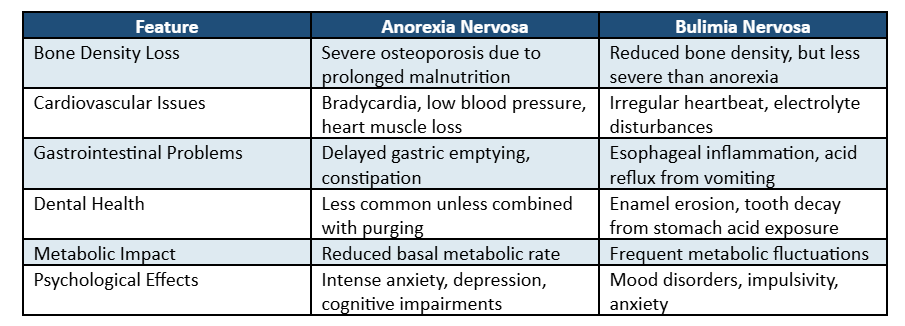
Anorexia vs. Bulimia: Long-Term Physical Effects

Although anorexia nervosa and bulimia nervosa share some overlapping symptoms, their long-term physical effects often differ due to the nature of each disorder’s behaviors. Anorexia primarily causes severe malnutrition and structural body changes, whereas bulimia often leads to electrolyte imbalances and damage caused by recurrent purging.

Physical Signs and Symptoms of Chronic Eating Disorders

Physical symptoms that persist over time can signal the presence of a chronic eating disorder. These include persistent fatigue, brittle hair and nails, dry skin, cold intolerance, and frequent dizziness. Additional outward signs may involve thinning or loss of hair and muscle wasting. Recognizing these symptoms early can prompt timely medical attention and comprehensive treatment support [3].

Specialized Programs

We understand that different ages and situations require different approaches. Our specialized programs are tailored to meet specific needs.

Who We Eat for Compulsive Overeating Adults of All Ages

Adult Program

Specialized eating disorder treatment designed to support adults balancing recovery with work, family, and daily responsibilities.

OSFED Who We Treat at Eating Disorder Solutions Adult Athletes

Athlete Program

Eating disorder treatment tailored for athletes, addressing performance pressures, fueling needs, and sport-related stressors.

LGBTQ+ Eating Disorder Treatment Programs at Eating Disorder Solutions

LGBTQ+ Program

Inclusive eating disorder treatment providing affirming, holistic care for individuals in the LGBTQ+ community.

Who We Eat for Compulsive Overeating Professionals

Professionals Program

Specialized eating disorder treatment for professionals balancing recovery with work responsibilities, high stress, and the demands of daily life.

OSFED Who We Treat at Eating Disorder Solutions College Students

College Students Program

Specialized eating disorder treatment for professionals balancing recovery with work responsibilities, high stress, and the demands of daily life.

Cardiovascular and Bone Health Risks_

Cardiovascular and Bone Health Risks

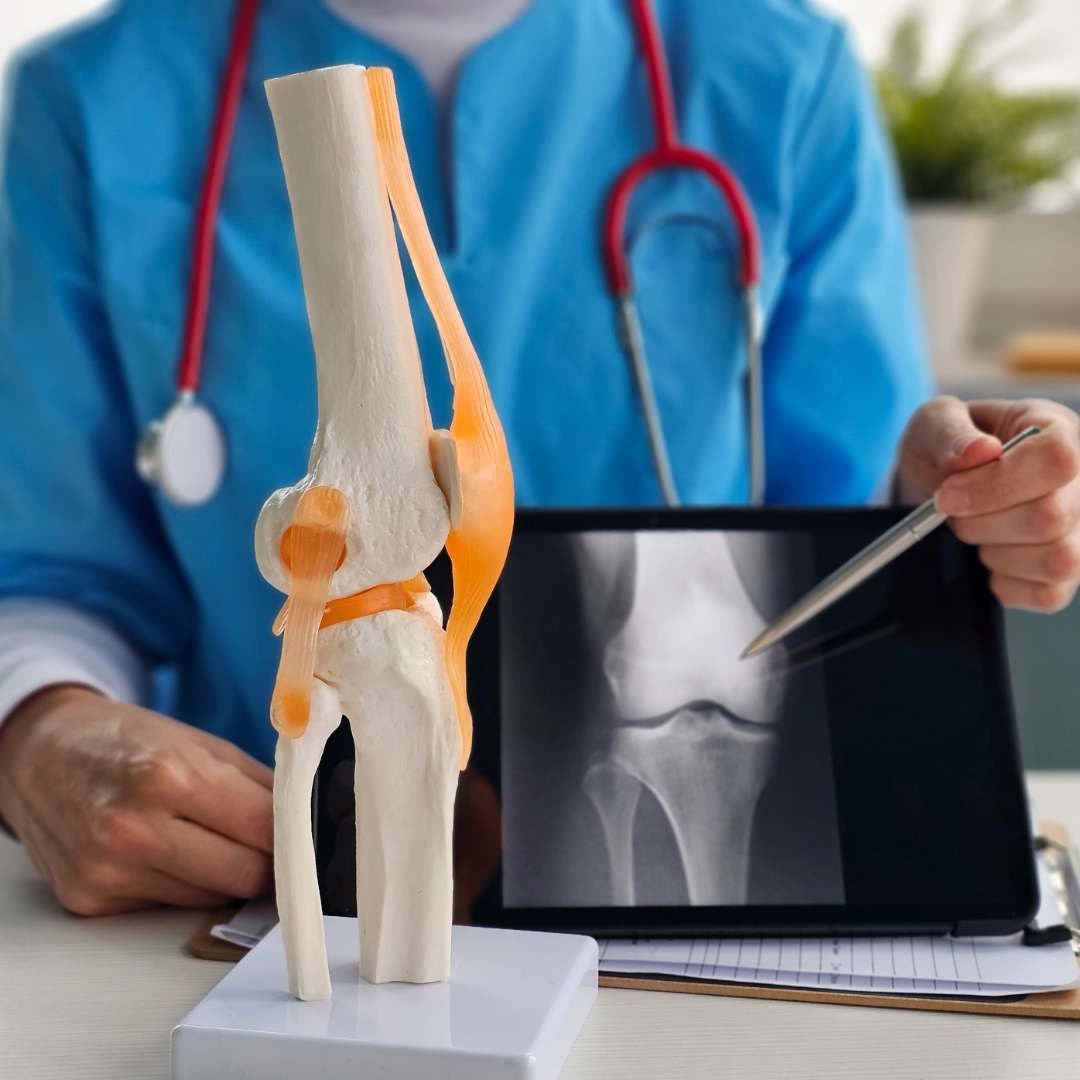
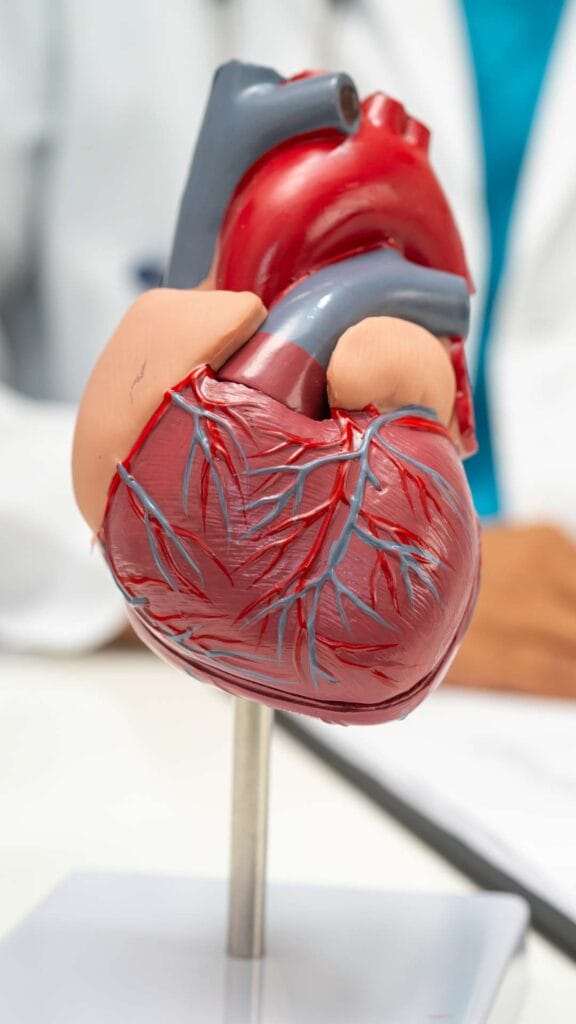
One of the gravest concerns associated with longstanding eating disorders is their impact on cardiovascular health and bone integrity. Malnutrition decreases heart muscle mass and can result in dangerously low heart rates and blood pressure. Electrolyte imbalances, especially common in bulimia owing to purging behaviors, can precipitate arrhythmias and increase risk of sudden cardiac events. Meanwhile, chronic nutrient deficiencies lead to diminished bone mineral density, significantly raising the risk for osteoporosis and fractures later in life. Comprehensive medical evaluation and monitoring are essential to manage these risks effectively [1][2].

Gastrointestinal and Dental Consequences

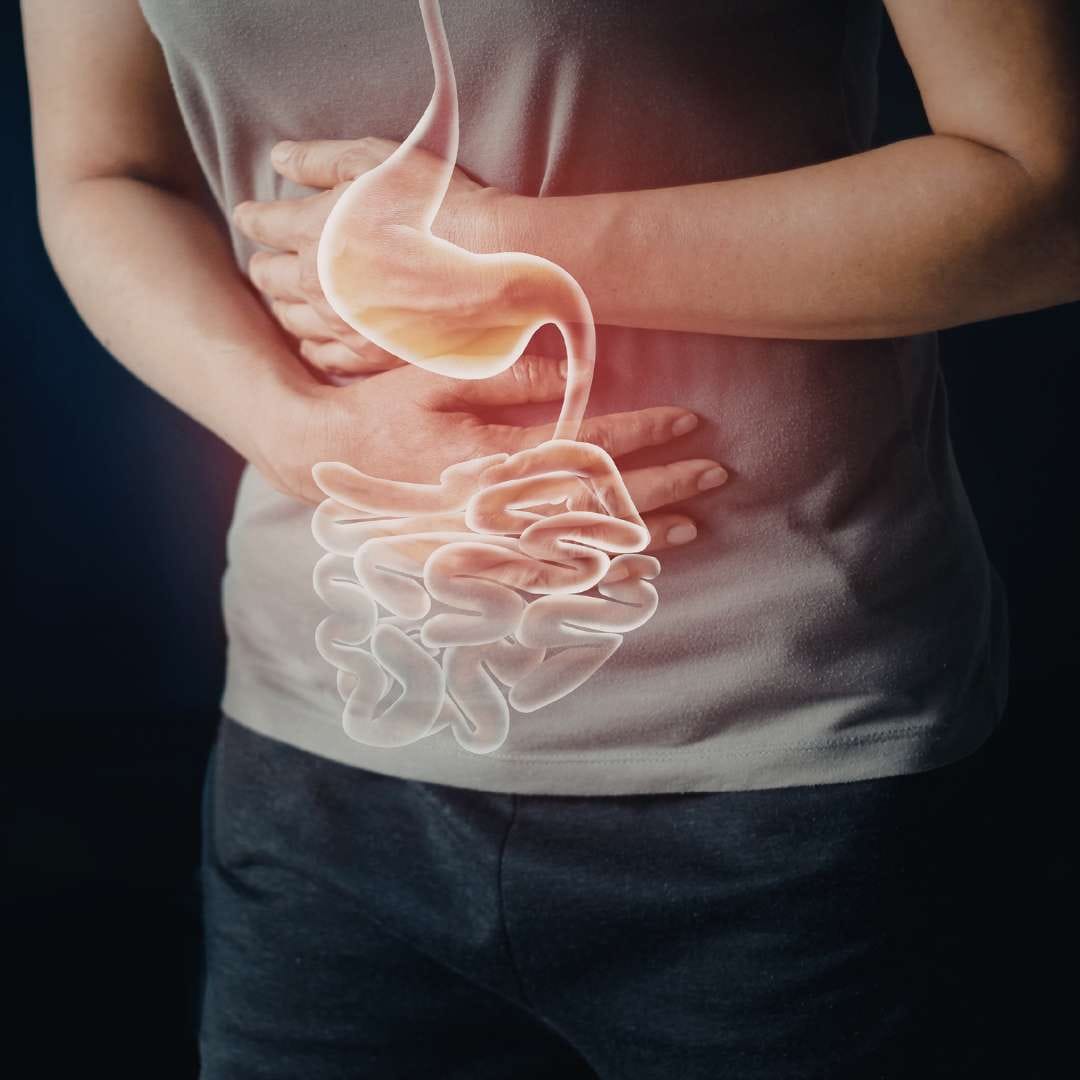
Long-term eating disorders often lead to persistent gastrointestinal disturbances. In anorexia nervosa, slowed digestion causes bloating, constipation, and abdominal pain. Bulimia nervosa’s frequent vomiting can cause esophagitis, gastric reflux, and even tears in the esophagus. Dental health is typically compromised by recurrent exposure to stomach acid, which erodes enamel and increases susceptibility to cavities and gum disease. These ongoing complications challenge quality of life but can be ameliorated with targeted dental care and gastrointestinal treatment plans [3].

Gastrointestinal and Dental Consequences_
When Professional Support Is Important_

Psychological and Social Consequences

The long-term impact of an eating disorder is rarely confined to physical health; the psychological and social toll can be equally devastating over time. Prolonged malnutrition and the constant stress of disordered eating behaviors physically alter brain chemistry, often exacerbating or triggering co-occurring mental health conditions.
Individuals with chronic eating disorders frequently experience persistent, severe anxiety and treatment-resistant depression. The cognitive rigidity required to maintain an eating disorder often leads to the development of obsessive-compulsive traits, making flexibility in daily life increasingly difficult. Socially, the isolation that an eating disorder demands can severely damage relationships with family and friends. Over years or decades, this isolation can stunt personal development, disrupt educational goals, and derail career trajectories, leaving the individual feeling disconnected from the life they once envisioned.

Request A Call

Fill out the form below, and we’ll contact you shortly. 

Conditions We Treat

We provide specialized care for all types of eating disorders in Dallas, Texas.

ARFID Treatment Icon

Anorexia Nervosa

A restrictive eating disorder marked by fear of weight gain and distorted body image, requiring comprehensive medical, nutritional, and therapeutic care.

Bulimia Disorder Treatment Icon

Bulimia Nervosa

An eating disorder involving cycles of binge eating and compensatory behaviors, often driven by emotional distress and body image concerns.
Binge Eating Disorder Treatment Icon

Binge Eating Disorder

Characterized by repeated episodes of eating large amounts of food with a sense of loss of control, without compensatory behaviors.

OSFED Treatment Icon

Compulsive Overeating

Recurrent episodes of overeating driven by emotional distress rather than physical hunger. Treatment helps address emotional triggers, reduce shame, and develop healthier coping strategies.

Body Dysmorphia Treatment Grey Icon

Body Dysmorphia

Persistent distress about perceived flaws in appearance that impact daily life. Treatment focuses on improving body image and reducing obsessive thoughts through structured therapeutic support.

EDS Orthorexia Icon

Orthorexia

An unhealthy fixation on eating “clean” or “healthy” foods that leads to rigid rules and anxiety around meals. Treatment promotes flexibility, balanced nutrition, and a more sustainable relationship with food.

EDS Co-Occurring Disorders Icon

Co-Occurring Disorders

An eating disorder occurring alongside conditions such as anxiety, depression, or trauma. Treatment addresses both concerns together to support lasting recovery and emotional stability.
ARFID & Other Disorders

Includes avoidant or restrictive eating patterns and other specified feeding or eating disorders that require individualized treatment approaches.


Causes and Risk Factors for Long-Term Damage_

Causes and Risk Factors for Long-Term Damage

Long-term damage arises largely from prolonged nutritional deficiencies, repeated purging, and chronic stress on body organs and tissues. Severity and duration of disordered eating behaviors strongly influence the extent of lasting harm. Risk factors that contribute to the progression include age, gender, pre-existing medical conditions, and lack of timely, effective treatment. Additionally, co-occurring mental health conditions such as anxiety and depression can exacerbate physical complications, underscoring the need for integrated care approaches [1][2].

Treatment Options for Lasting Recovery

Overcoming the long-term effects of eating disorders requires a multidisciplinary approach emphasizing medical, nutritional, and psychological support. Treatment modalities often include supervised nutritional rehabilitation, psychotherapy such as cognitive behavioral therapy or dialectical behavior therapy, and medication management when appropriate. Early diagnosis and continued follow-up care are paramount to prevent further complications and foster sustainable recovery. Eating Disorder Solutions in Texas offers personalized, evidence-based programs aimed at restoring physical health and emotional well-being while igniting hope for lasting healing.

Treatment Options for Lasting Recovery_

Most Insurances Accepted

We work with most major insurance providers and offer flexible payment plans

Our admissions team will verify your insurance benefits at no cost and help you understand your coverage.

Real People, Real Results

While some physical damage from eating disorders may be permanent, many long-term effects can improve significantly with appropriate treatment, proper nutrition, and ongoing medical care. Early intervention increases the likelihood of more complete recovery.

Physical symptoms can develop within weeks to months of the onset of an eating disorder but may take longer to become severe. The risk of serious complications increases with duration and severity of disordered eating behaviors.

Men can experience similar long-term effects as women, but because eating disorders are less commonly diagnosed in males, they may face additional challenges accessing tailored treatment and support.

Mental health treatment addresses the underlying psychological issues driving disordered eating behaviors, which is crucial for sustained recovery and minimizing future physical complications.

Why Choose Eating Disorder Solutions Near Dallas?

Eating Disorder Solutions near Dallas offers compassionate, evidence-based care in a peaceful, home-like setting designed to help clients feel safe, supported, and understood. Our multidisciplinary team provides individualized treatment across multiple levels of care, blending clinical excellence with real-world recovery skills that translate beyond treatment. With a strong focus on nutrition, therapy, and long-term healing, we help clients build a sustainable path to recovery, not just short-term progress.

References for Long-Term Effects of Eating Disorders

1] National Institute of Mental Health — Eating Disorders: What You Need to Know —
https://www.nimh.nih.gov/health/publications/eating-disorders
[2] O’Brien KM et al. — Predictors and long-term health outcomes of eating disorders (PMC, 2017) —
https://pmc.ncbi.nlm.nih.gov/articles/PMC5507321/
[3] Mayo Clinic — Eating Disorders: Symptoms and Causes — https://www.mayoclinic.org/diseases-
conditions/eating-disorders/symptoms-causes/syc-20353603
[4] American Psychiatric Association — What Are Eating Disorders? —
https://www.psychiatry.org/patients-families/eating-disorders/what-are-eating-disorders
[5] MedlinePlus / U.S. National Library of Medicine — Eating Disorders —
https://medlineplus.gov/eatingdisorders.html
[6] National Eating Disorders Association (NEDA) — Statistics and Research —
https://www.nationaleatingdisorders.org/statistics/


Knowledge is a powerful tool in recovery. At Eating Disorder Solutions, we provide comprehensive educational resources to help individuals, families, and loved ones understand eating disorders, recognize warning signs, and navigate the journey to lasting healing.

Understanding Eating Disorders

Eating disorders are serious, complex illnesses that affect the mind, body, and daily life. Start here for a comprehensive overview of what eating disorders are, who they affect, and how professional treatment leads to recovery.

Eating Disorder Diagnosis

A professional diagnosis is the first step toward healing. Learn about the clinical criteria, assessment process, and how eating disorders are identified to ensure the right level of care is recommended.

Long-Term Effects

Eating disorders take a severe toll on the body and mind over time. Explore the potential long-term physical and psychological consequences of delaying treatment and the importance of early intervention.

The Recovery Journey

Recovery is a deeply personal and non-linear process. Discover what to expect during treatment, the stages of healing, and how comprehensive care supports lasting freedom from an eating disorder.

Relapse Warning Signs

Setbacks are a common part of the recovery process. Learn how to identify the early behavioral and emotional warning signs of a relapse so you can seek support and adjust your treatment plan quickly.

Myths and Facts

There are many harmful misconceptions surrounding eating disorders. We separate fact from fiction, breaking down common stereotypes to provide accurate, stigma-free information about these complex illnesses.

When is Treatment Needed?

Recognizing when to seek professional help can be difficult. Understand the critical behavioral and physical signs that indicate it is time to reach out for a clinical assessment and higher level of care.

How Long Does Treatment Take?

The timeline for recovery varies for every individual. Learn about the factors that influence treatment length and the typical duration for different levels of care, from residential to outpatient support.

Can You Recover?

Full recovery from an eating disorder is absolutely possible. Explore the statistics, understand the difference between partial and full recovery, and discover what a healthy, fulfilling life looks like on the other side.

Guide for Friends and Loved Ones

Supporting someone with an eating disorder requires compassion, patience, and clear boundaries. Access practical advice on how to communicate effectively, offer meaningful support, and encourage your loved one to seek professional help.

Eating Disorder News & Resources

Stay informed with the latest research, treatment updates, and community resources related to eating disorders. Our news section keeps patients, families, and professionals connected to what matters most.