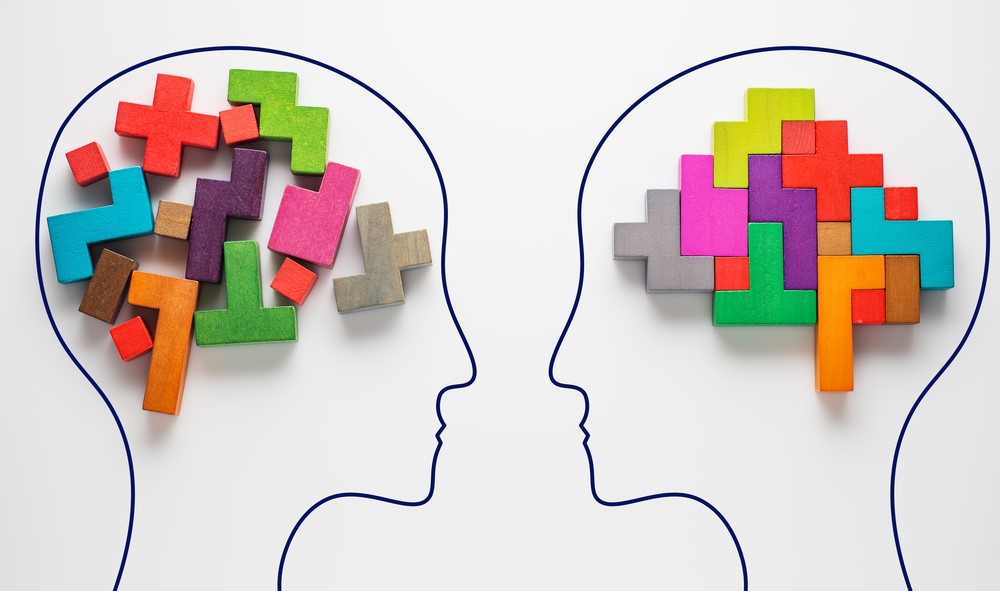
Many things in life can be difficult when you are struggling with an eating disorder. For example, choosing food, shopping for clothes, looking at yourself in the mirror, or even just speaking to a small group of friends can become difficult when you have a nagging voice in your head telling you lies constantly. A common problem with those who struggle with eating disorders is being able to tell the difference between your own voice and your eating disorder’s voice. Examples of your own voice would be: “I want to eat ice cream because it tastes good” but an example of your eating disorder speaking would be “I can’t eat this ice cream because it will instantly make me fat”. The ability to decipher the two voices becomes extremely difficult when you have listened to that voice for so long.
Here are some tips to help you differentiate between your voice and your eating disorder:
- What is the tone of voice? Positive or negative? Many times it is the eating disorder that is speaking negatively to you. Become aware of those negative comments such as: “you are fat”, “this will make you fat”, or “you don’t deserve that food”. Practice counter thoughts such as: “I am allowed to eat this ice cream because it tastes good and brings me joy”, “my body supports me and allows me to live a good life”, or “I am allowed to enjoy eating out at restaurants with my friends.” We can rewire our brains by practicing positive self-talk as each time we fight back, we are gaining control and giving less power to the eating disorder.
- When do these eating disorder thoughts happen? For example, does this inner voice start talking before mealtimes, after a negative experience, or when you see yourself in the mirror? Often, these thoughts happen unconsciously and simultaneously. It’s important to recognize your triggers so you can start practicing healthy coping skills to decrease negative thoughts and feelings.
- Practice healthy coping skills! Keep a journal to help recognize ED thoughts and counteract with positive self-talk. Allow yourself to feel the negative emotions as ignoring these feelings will cause them to build up. We cannot feel all of the “good” feelings without feeling the “bad” feelings.
It is hard to differentiate between eating disorder thoughts and your own “healthy” thoughts as it becomes the “norm” of believing you are less worthy due to the food you eat or the number on the scale. Know you are not alone! Seeking help does not mean you are weak, rather it means you are strong enough to know that you need support! Again, there is no shame in needing a higher level of care or help from a professional. This is why Eating Disorder Solutions is here!
Practicing this kind of self-talk takes time, and it’s normal to still get it wrong sometimes even after you’ve started to recognize the pattern. One thing that can help is slowing down around food itself rather than just around the thoughts about it — mindful eating is one way to practice noticing hunger, fullness, and enjoyment without judgment, which makes it easier to catch the eating disorder’s voice in the moment it shows up. And if you’ve gotten to the point where you can name what the eating disorder is telling you, that’s often also the right time to loop in someone you trust. Our guide on how to tell someone you have an eating disorder can help you think through that conversation when you’re ready.
References
A systematic review of the “eating disorder voice” experience — PubMed (https://pubmed.ncbi.nlm.nih.gov/31030584/)
NEDA — Eating Disorder Symptoms: Signs, Behaviors & Risks (https://www.nationaleatingdisorders.org/warning-signs-and-symptoms/)