























Superior HealthPlan for Dallas Eating Disorder Treatment
If you have Superior HealthPlan and are looking for eating disorder treatment in Dallas, your behavioral health benefits may help cover structured care.
At Eating Disorder Solutions, we work directly with Superior HealthPlan to verify coverage, confirm eligibility, and guide families through the authorization process.
- Same-Day Admissions
- Free Insurance Verification
- Most Insurance Accepted
Does Superior HealthPlan Cover Eating Disorder Treatment?
Many Superior HealthPlan policies include behavioral health benefits that may apply to:
Residential eating disorder treatment
Partial Hospitalization Programs (PHP)
Intensive Outpatient Programs (IOP)
Individual and family therapy
Nutrition counseling
Psychiatric services
Approval depends on medical necessity, documented symptom severity, and the structure of your specific Texas plan.
We verify those details before admission so you know what to expect.
Eating Disorders Covered by Superior HealthPlan
Superior HealthPlan behavioral health benefits may include treatment for:
Anorexia nervosa
Bulimia nervosa
Binge eating disorder
ARFID
OSFED
Coverage decisions are based on clinical need and documented impairment, not body size alone.
We are able to work with most commercial insurance providers, with many plans accepted in-network at Eating Disorder Solutions. Our team handles insurance verification quickly and walks you through coverage details to make the process simple and stress-free.
Our Levels of Care
Every person's journey is unique. We offer personalized treatment programs designed to meet you where you are and support you every step of the way near Dallas, Texas in Weatherford.
Residential Treatment
24/7 inpatient eating disorder treatment providing structured, medically supported care in a safe, healing environment.
Outpatient Treatment
Daytime eating disorder treatment offering intensive support while allowing clients to live at home and maintain daily responsibilities.
Partial Hospitalization
High-level eating disorder treatment combining daily clinical care with increased flexibility outside of inpatient treatment.
Intensive Outpatient
High-level eating disorder treatment combining daily clinical care with increased flexibility outside of inpatient treatment.
Virtual Outpatient
Fully online eating disorder treatment delivering structured therapy and nutrition support from the comfort of home.
Aftercare
Ongoing eating disorder recovery support designed to maintain progress and reduce the risk of relapse after treatment.
Our Approach
Evidence-Based Care with Heart
We combine the latest research with compassionate, individualized care. Our multidisciplinary team works together to address the physical, emotional, and psychological aspects of eating disorders.
Cognitive Behavioral Therapy
Identify and change harmful thought patterns and behaviors.
Dialectical Behavior Therapy
Build skills for emotional regulation and distress tolerance.
Trauma-Informed Care
Address underlying trauma in a safe, supportive environment.
When Is Residential Treatment Considered?
Residential care may be recommended when symptoms are severe and cannot be safely managed in outpatient treatment.
Superior HealthPlan may review:
Ongoing restrictive eating, bingeing, or purging
Nutritional compromise or dehydration
Psychiatric safety concerns
Repeated relapse patterns
Inability to maintain stability outside structured care
A detailed clinical assessment is submitted to support the appropriate level of care.
What If a Lower Level of Care Is More Appropriate?
Not every client requires 24/7 residential treatment. Superior HealthPlan may authorize:
Partial Hospitalization (PHP)
A structured day program providing therapy, meal support, and medical monitoring.
Intensive Outpatient (IOP)
A step-down level of care that allows clients to live at home while attending treatment multiple days per week.
We align the clinical recommendation with your plan’s authorization criteria.
Specialized Programs
We understand that different ages and situations require different approaches. Our specialized programs are tailored to meet specific needs.
Adult Program
Specialized eating disorder treatment designed to support adults balancing recovery with work, family, and daily responsibilities.

Athlete Program
Eating disorder treatment tailored for athletes, addressing performance pressures, fueling needs, and sport-related stressors.

LGBTQ+ Program
Inclusive eating disorder treatment providing affirming, holistic care for individuals in the LGBTQ+ community.

Professionals Program
Specialized eating disorder treatment for professionals balancing recovery with work responsibilities, high stress, and the demands of daily life.

College Students Program
Specialized eating disorder treatment for professionals balancing recovery with work responsibilities, high stress, and the demands of daily life.
Serving Dallas and Surrounding Communities
We work with individuals and families across the Dallas–Fort Worth area, including:
Dallas
Fort Worth
Plano
Arlington
Irving
Garland
Frisco
If you are insured through Superior HealthPlan in Texas, we can verify your benefits and help you understand your next steps.
Does Superior HealthPlan Require Prior Authorization?
Most managed care plans require prior authorization for higher levels of behavioral health treatment.
Our admissions team:
Confirms your coverage
Submits required clinical documentation
Coordinates authorization communication
Provides updates throughout the review process
You can focus on recovery. We manage the insurance coordination.
Request A Call
Fill out the form below, and we’ll contact you shortly.
Conditions We Treat
We provide specialized care for all types of eating disorders in Dallas, Texas.
Anorexia Nervosa
A restrictive eating disorder marked by fear of weight gain and distorted body image, requiring comprehensive medical, nutritional, and therapeutic care.

Bulimia Nervosa
An eating disorder involving cycles of binge eating and compensatory behaviors, often driven by emotional distress and body image concerns.

Binge Eating Disorder
Characterized by repeated episodes of eating large amounts of food with a sense of loss of control, without compensatory behaviors.

Compulsive Overeating
Recurrent episodes of overeating driven by emotional distress rather than physical hunger. Treatment helps address emotional triggers, reduce shame, and develop healthier coping strategies.

Body Dysmorphia
Persistent distress about perceived flaws in appearance that impact daily life. Treatment focuses on improving body image and reducing obsessive thoughts through structured therapeutic support.

Orthorexia
An unhealthy fixation on eating “clean” or “healthy” foods that leads to rigid rules and anxiety around meals. Treatment promotes flexibility, balanced nutrition, and a more sustainable relationship with food.

Co-Occurring Disorders
An eating disorder occurring alongside conditions such as anxiety, depression, or trauma. Treatment addresses both concerns together to support lasting recovery and emotional stability.

ARFID & Other Disorders
Includes avoidant or restrictive eating patterns and other specified feeding or eating disorders that require individualized treatment approaches.

Verify Your Superior HealthPlan Benefits
If you’re searching for:
Superior HealthPlan eating disorder treatment Dallas
Does Superior cover residential eating disorder treatment
Superior PHP near Dallas
Texas Medicaid eating disorder treatment
We can help you understand your coverage clearly.
Call 855-808-4213 or submit your insurance information for confidential verification.
Clarity around your benefits is the first step toward getting help.
Most Insurances Accepted
We work with most major insurance providers and offer flexible payment plans
Our admissions team will verify your insurance benefits at no cost and help you understand your coverage.
Real People, Real Results
Does Superior HealthPlan cover eating disorder treatment for adults on Medicaid?
Some Superior HealthPlan policies provide behavioral health coverage for adults, but eligibility and level-of-care approval depend on the specific Medicaid program and clinical criteria.
Can Superior HealthPlan approve residential treatment for eating disorders?
Approval for residential treatment depends on documented medical necessity, safety concerns, and symptom severity. Managed Medicaid plans often require strong clinical justification for higher levels of care.
How does Superior HealthPlan evaluate psychiatric risk?
Superior may review factors such as suicidal ideation, self-harm risk, severe depression, obsessive food-related thoughts, and functional impairment when determining authorization.
Will Superior HealthPlan cover treatment if someone has relapsed after previous care?
Relapse does not automatically disqualify someone from coverage. Active symptoms and documented clinical need are the primary factors in authorization decisions.
Does Superior HealthPlan approve step-down care after residential treatment?
When clinically appropriate, step-down levels of care such as PHP or IOP may be reviewed for authorization. Continued coverage depends on updated clinical documentation.
How long does Superior HealthPlan take to review authorization requests?
Review timelines vary depending on urgency, documentation completeness, and plan guidelines. Expedited reviews may be available in urgent clinical situations.
What happens if Superior HealthPlan requests additional documentation?
If additional information is requested, clinical documentation is updated and resubmitted to clarify symptom severity, safety concerns, and treatment justification.
Why Choose Eating Disorder Solutions in Dallas?
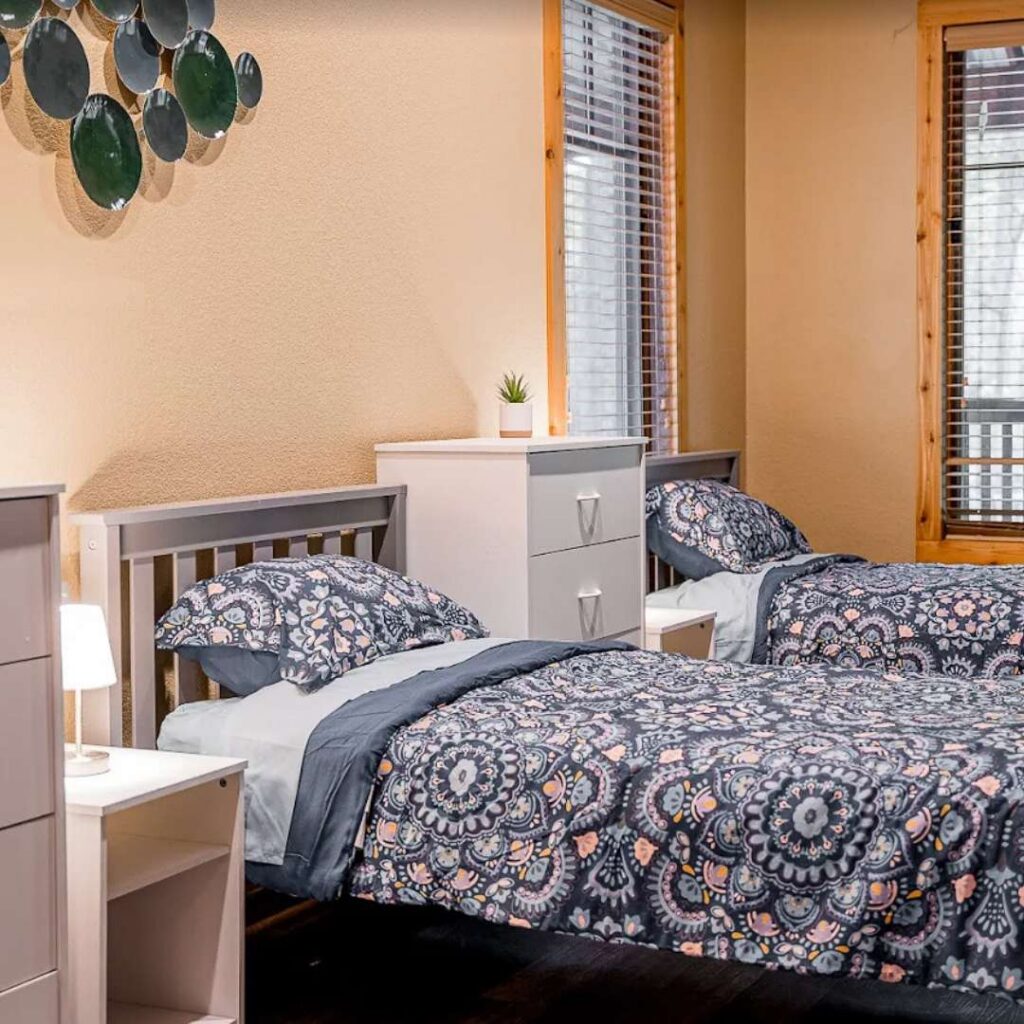
Eating Disorder Solutions in Dallas offers compassionate, evidence-based care in a peaceful, home-like setting designed to help clients feel safe, supported, and understood. Our multidisciplinary team provides individualized treatment across multiple levels of care, blending clinical excellence with real-world recovery skills that translate beyond treatment. With a strong focus on nutrition, therapy, and long-term healing, we help clients build a sustainable path to recovery, not just short-term progress.