















Anxiety Disorder Treatment Near Dallas, Texas
Compassionate, evidence-based anxiety disorder treatment at our eating disorder treatment center near Dallas. At Eating Disorder Solutions, we help individuals manage anxiety, reduce distress, and build effective coping skills through personalized care in a supportive environment.
- Same-Day Admissions
- Free Insurance Verification
- Most Insurance Accepted
Anxiety Treatment at Our Texas Location
Anxiety disorders can affect daily functioning, relationships, and overall quality of life. At Eating Disorder Solutions, we provide specialized anxiety disorder treatment at our Weatherford, Texas location near Dallasfor individuals who need structured, compassionate support tailored to their unique experiences.
Our multidisciplinary team works collaboratively to address anxiety alongside co-occurring concerns such as eating disorders, depression, trauma, or stress-related challenges. Treatment plans are individualized and may include therapy, skills development, and ongoing support to help individuals regain a sense of stability and confidence. Individuals from across the Dallas–Fort Worth area choose our program for our personalized approach, calm treatment setting, and commitment to long-term healing.
What Are Anxiety Disorders?
Today, there are several types of anxiety disorders. It’s important to note that anxiety disorder symptoms vary from person to person and depending on the type of disorder you are experiencing.
Some of the most common types of anxiety disorders that require anxiety disorder treatment include:
- Separation anxiety
- Generalized anxiety disorder or GAD
- Phobias
- Panic disorder
- Social anxiety
Other mental health illnesses may share symptoms and features of anxiety disorders. These mental illnesses include obsessive-compulsive disorder (OCD) and post-traumatic stress disorder (PTSD).
Our Levels of Care
Every person's journey is unique. We offer personalized treatment programs designed to meet you where you are and support you every step of the way near Dallas, Texas in Weatherford.
Residential Treatment
24/7 inpatient eating disorder treatment providing structured, medically supported care in a safe, healing environment.
Outpatient Treatment
Daytime eating disorder treatment offering intensive support while allowing clients to live at home and maintain daily responsibilities.
Partial Hospitalization
High-level eating disorder treatment combining daily clinical care with increased flexibility outside of inpatient treatment.
Intensive Outpatient
High-level eating disorder treatment combining daily clinical care with increased flexibility outside of inpatient treatment.
Virtual Outpatient
Fully online eating disorder treatment delivering structured therapy and nutrition support from the comfort of home.
Aftercare
Ongoing eating disorder recovery support designed to maintain progress and reduce the risk of relapse after treatment.
Our Approach
Evidence-Based Care with Heart
We combine the latest research with compassionate, individualized care. Our multidisciplinary team works together to address the physical, emotional, and psychological aspects of eating disorders.
Cognitive Behavioral Therapy
Identify and change harmful thought patterns and behaviors.
Dialectical Behavior Therapy
Build skills for emotional regulation and distress tolerance.
Trauma-Informed Care
Address underlying trauma in a safe, supportive environment.
What Are The Benefits of Anxiety Disorder Treatment?
Utilizing the services of an anxiety disorder treatment center can make it possible for you to manage your condition and mitigate some of the symptoms you have. With proper anxiety disorder treatment, you can begin minimizing and even eliminating some of the symptoms you experience and enjoy a less anxious life. This is true if you are seeking social anxiety disorder treatment or treatment for another condition, such as an eating disorder.
What is The Anxiety Disorder Treatment Process?
When it comes to anxiety disorder treatment, several factors must be considered. In some situations, medications can be used for social anxiety disorder treatment or as part of a general treatment plan. However, in most cases, therapy (alone or with medications) is the best option for anxiety disorder treatment in Texas.
Various therapeutic techniques have been created to help treat anxiety disorders and, over time, have evolved from psychoanalytic approaches to more innovative cognitive-behavioral therapies.
The goal of therapeutic approaches to anxiety disorders is to help you better understand why you are feeling the way you do, what triggers affect you, and how you can change how you react to them. Certain types of therapy also teach practical techniques to help you reframe your negative thinking and effectively change your actions and behaviors.
When you seek anxiety disorder treatment near Dallas, the right therapy for you will be unique to your condition and situation. It may be conducted in a group, family, or individual setting. Also, the number of times you meet with your therapist and for how long depends on your symptoms and the diagnosis you have received.
Specialized Programs
We understand that different ages and situations require different approaches. Our specialized programs are tailored to meet specific needs.

Adult Program
Specialized eating disorder treatment designed to support adults balancing recovery with work, family, and daily responsibilities.

Athlete Program
Eating disorder treatment tailored for athletes, addressing performance pressures, fueling needs, and sport-related stressors.

LGBTQ+ Program
Inclusive eating disorder treatment providing affirming, holistic care for individuals in the LGBTQ+ community.

Professionals Program
Specialized eating disorder treatment for professionals balancing recovery with work responsibilities, high stress, and the demands of daily life.

College Students Program
Specialized eating disorder treatment for professionals balancing recovery with work responsibilities, high stress, and the demands of daily life.
Anxiety Disorder Treatment at Eating Disorder Solutions
The level of treatment provided at our eating disorder treatment center depends on your needs and the severity of your co-occurring disorder. When you schedule an appointment, the first step is to evaluate your needs and situation. Getting to know you, your anxiety condition, and other factors that may impact how you feel and act are essential steps in ensuring the right treatment is used.
Our team of professionals will work with you closely to provide customized solutions to help you overcome the problems you are facing. The goal is to help you live a fulfilled and anxiety-free life with our therapies and treatments.
Get Anxiety Disorder Help Today
If you are suffering from both an eating disorder and a co-occurring anxiety disorder, one of the best things you can do is seek treatment. A quality treatment center will help you get the care you need and ensure you can overcome the problems leading to or causing the anxiety you are experiencing.
Being informed and knowing the signs and symptoms of an anxiety disorder is a good first step; however, seeking treatment from professionals will help you get to the bottom of the illness regardless of what has caused your anxiety condition. Being informed and having all the information is the best way to know when it is time to contact us for anxiety disorder treatment.
Request A Call
Fill out the form below, and we’ll contact you shortly.
Conditions We Treat
We provide specialized care for all types of eating disorders across the Dallas–Fort Worth area.
Anorexia Nervosa
A restrictive eating disorder marked by fear of weight gain and distorted body image, requiring comprehensive medical, nutritional, and therapeutic care.
Bulimia Nervosa
An eating disorder involving cycles of binge eating and compensatory behaviors, often driven by emotional distress and body image concerns.
Binge Eating Disorder
Characterized by repeated episodes of eating large amounts of food with a sense of loss of control, without compensatory behaviors.
Compulsive Overeating
Recurrent episodes of overeating driven by emotional distress rather than physical hunger. Treatment helps address emotional triggers, reduce shame, and develop healthier coping strategies.

Body Dysmorphia
Persistent distress about perceived flaws in appearance that impact daily life. Treatment focuses on improving body image and reducing obsessive thoughts through structured therapeutic support.

Orthorexia
An unhealthy fixation on eating “clean” or “healthy” foods that leads to rigid rules and anxiety around meals. Treatment promotes flexibility, balanced nutrition, and a more sustainable relationship with food.
Co-Occurring Disorders
An eating disorder occurring alongside conditions such as anxiety, depression, or trauma. Treatment addresses both concerns together to support lasting recovery and emotional stability.
ARFID & Other Disorders
Includes avoidant or restrictive eating patterns and other specified feeding or eating disorders that require individualized treatment approaches.

Most Insurances Accepted
We work with most major insurance providers and offer flexible payment plans


Our admissions team will verify your insurance benefits at no cost and help you understand your coverage.
Real People, Real Results
What Are The Signs and Symptoms of Anxiety Disorders?
Knowing when to seek anxiety disorder treatment can be challenging. One of the first steps in knowing when this is necessary is to know the signs and symptoms of anxiety disorder.
The primary symptom of anxiety disorders is excessive worry or fear. It may be hard to concentrate, remain still, sleep, and even breathe with an anxiety disorder. Your symptoms depend on the type of anxiety disorder you have.
Some of the most common signs and symptoms of an anxiety disorder include:
- Shortness of breath
- Unease, fear, or panic
- Tinging, numb, sweaty, or cold feet and hands
- Feelings of danger, doom, or panic
- Inability to remain still or calm
- Sleep issues
- Dizziness
- Hyperventilation
- Tense muscles
- Heart palpitations
- Nausea
- Dry mouth
- Inability to concentrate or rumination
- Intense or obsessive fear of places or objects
What is The Impact of Anxiety Disorders if Left Untreated?
If your anxiety disorder continues without proper treatment, you may experience several negative effects. Some of these include:
Increased Risk of Heart Attack
Chronic anxiety and panic attacks put excessive stress on your heart due to increased pulse and blood pressure. Individuals with unmanaged anxiety are more likely to have heart attacks than individuals without this condition, and the heart attacks are more likely to be fatal if they do occur.
Increased Levels of Stress Hormones
If someone is experiencing prolonged anxiety or a panic attack, their body will release more stress hormones, including cortisol and adrenaline. In some situations, the hormones are beneficial, like if you are in a dangerous situation. However, too much of these for a long time can result in:
- Immune system deficiencies
- Unwanted weight gain
- Higher cholesterol
- Cognitive decline
- Worsening risk for conditions like Cushing Syndrome
- Heart disease and high blood pressure
- Increased potential for other mental illnesses
Even though medications may help with some of these conditions, it is always best to treat the anxiety before it impacts the body in the above ways.
Insomnia
Even though not everyone with anxiety will deal with insomnia, some do. In some situations, insomnia can cause anxiety, and other times, anxiety causes insomnia, making anxiety symptoms even worse. Not only is this a vicious cycle of sleep issues and stress, but it may lead to other long-term health issues, such as:
- Weakened immune system
- Cognitive issues
- Balance issues
- Increased blood pressure
As you can see, anxiety can lead to many long-term issues, which is why seeking treatment at the first sign of a problem is so important.
Can I get Anxiety Disorder Help Today?
If you are suffering from both an eating disorder and a co-occurring anxiety disorder, one of the best things you can do is seek treatment. A quality treatment center will help you get the care you need and ensure you can overcome the problems leading to or causing the anxiety you are experiencing.
Being informed and knowing the signs and symptoms of an anxiety disorder is a good first step; however, seeking treatment from professionals will help you get to the bottom of the illness regardless of what has caused your anxiety condition. Being informed and having all the information is the best way to know when it is time to contact us for anxiety disorder treatment.
How Do I Know If My Anxiety Is Severe Enough for Treatment?
If anxiety is interfering with daily life, relationships, work, or health, treatment can help, even if symptoms come and go.
Can Anxiety Be Treated Without Medication?
Yes. Many people benefit from therapy-based approaches, and medication is considered only when clinically appropriate.
What Happens During Anxiety Therapy Sessions?
Sessions focus on understanding thought patterns, physical responses, and behaviors while building practical coping tools.
What If Anxiety Is Affecting My Performance or Focus?
Treatment helps address concentration, overwhelm, and avoidance patterns.
Why Choose Eating Disorder Solutions Near Dallas?
Eating Disorder Solutions near Dallas offers compassionate, evidence-based care in a peaceful, home-like setting designed to help clients feel safe, supported, and understood. Our multidisciplinary team provides individualized treatment across multiple levels of care, blending clinical excellence with real-world recovery skills that translate beyond treatment. With a strong focus on nutrition, therapy, and long-term healing, we help clients build a sustainable path to recovery, not just short-term progress.
Anxiety Disorder Treatment Glossary
Anxiety disorders are the most common mental health conditions to co-occur with eating disorders. Understanding the clinical terminology related to anxiety can help you recognize symptoms and navigate the treatment process. Below are key terms discussed on this page:
Cognitive Behavioral Therapy (CBT)
A foundational, evidence-based psychotherapy that helps individuals identify, challenge, and change the negative thought patterns and behaviors driving their anxiety. CBT is highly effective in treating both anxiety disorders and co-occurring eating disorders.
Co-Occurring Disorder
A mental health condition that exists alongside another primary diagnosis. Anxiety disorders frequently co-occur with eating disorders, as individuals may use disordered eating behaviors (like restricting or bingeing) as a coping mechanism to manage their overwhelming anxiety.
Generalized Anxiety Disorder (GAD)
A common type of anxiety disorder characterized by chronic, excessive, and uncontrollable worry about everyday situations, such as health, work, or social interactions. This persistent distress can severely disrupt daily life and exacerbate eating disorder symptoms.
Panic Disorder
An anxiety disorder marked by unexpected and repeated panic attacks—sudden periods of intense fear or discomfort accompanied by physical symptoms like a racing heart, shortness of breath, or dizziness.
Phobias
An intense, irrational fear of a specific object, situation, or activity. In the context of eating disorders, individuals may develop severe phobias related to specific foods, eating in public, or gaining weight, which require specialized therapeutic intervention.
Separation Anxiety
An anxiety disorder characterized by excessive fear or distress when separated from home or a specific attachment figure. While often associated with childhood, it can persist into adulthood and complicate the process of entering residential or inpatient treatment.
Social Anxiety Disorder
An intense, persistent fear of being watched, judged, or negatively evaluated by others in social situations. This condition often co-occurs with eating disorders, leading individuals to isolate themselves and avoid eating in front of others.
Related Reading From Our Blog

ADHD and Binge Eating: Is There a Connection?
Key Takeaways Binge eating carries real physical consequences too — see the metabolic health effects of binge eating disorder. ADHD and binge eating disorder frequently

ARFID and Anxiety: How Fear of Food Develops
Key Takeaways ARFID and anxiety are closely connected. For many people, intense fear, sensory sensitivity, or worry about aversive consequences such as choking or vomiting
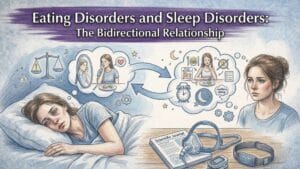
Eating Disorders and Sleep Disorders: The Bidirectional Relationship
Key Takeaways Disrupted sleep and eating can intertwine in night eating syndrome. Eating disorders and sleep problems are closely linked and tend to fuel each

Social Anxiety and Eating Disorders: How They Reinforce Each Other
Key Takeaways Social anxiety and eating disorders frequently occur together, each reinforcing the other. Intense fear of being judged, especially about appearance, can drive disordered

Perfectionism and Eating Disorders: The Hidden Link
Key Takeaways An effective counterweight to this pattern is practicing self-compassion in recovery. Perfectionism, especially the rigid, self-critical kind, is closely tied to eating disorders.

Grief and Eating Disorders: Understanding the Connection
Key Takeaways Grief and eating disorders are closely linked. Loss can trigger disordered eating as a way to cope with overwhelming emotions, whether through restriction,