













Inpatient vs Residential Eating Disorder Treatment in Texas
Inpatient and residential eating disorder treatment both provide intensive, structured support, but they serve different levels of need. Understanding the differences in medical care, supervision, treatment structure, and length of stay can help individuals and families determine which level of care may be most appropriate.
- Same-Day Admissions
- Free Insurance Verification
- Most Insurance Accepted
What Is Inpatient Eating Disorder Treatment?
Inpatient eating disorder treatment is a hospital-based level of care that provides 24-hour medical and psychiatric monitoring for individuals with severe eating disorder symptoms or complications. Under the American Psychiatric Association’s eating disorder level-of-care framework, inpatient care is generally considered Level 4, the highest and most medically intensive level. It may be recommended for serious concerns such as severe malnutrition, dangerously low heart rate or blood pressure, significant electrolyte abnormalities, dehydration, cardiac complications, or acute psychiatric instability. Treatment focuses on medical stabilization, nutritional support, psychiatric care, and therapy before transitioning to a less intensive level of care when appropriate.
What Is Residential Eating Disorder Treatment?
Residential eating disorder treatment is a live-in level of care that provides structured, 24-hour support for individuals who need more supervision than outpatient treatment but do not require hospital-level medical care. Under the American Psychiatric Association’s eating disorder level-of-care framework, residential treatment is generally considered Level 3, with the specific intensity of care determined by the individual’s medical and psychiatric needs. Treatment may include individual and group therapy, nutritional rehabilitation, meal support, medical monitoring, and skills-based care in a structured residential setting. The goal is to provide a safe environment for stabilization and recovery while helping clients build skills needed to transition to less intensive care.
Inpatient vs. Residential Treatment: Key Differences
The main difference between inpatient and residential eating disorder treatment is the level of medical care and treatment setting. Inpatient care, generally Level 4, takes place in a hospital and is intended for individuals who require 24-hour medical or psychiatric stabilization due to concerns such as severe malnutrition, unstable vital signs, electrolyte imbalances, or acute psychiatric symptoms. Residential care, generally Level 3, provides 24-hour structured support in a residential setting for individuals who are medically stable but need intensive treatment beyond outpatient care. Inpatient treatment prioritizes stabilization, while residential treatment focuses more on ongoing therapy, nutritional rehabilitation, behavioral change, and recovery skills.
Inpatient treatment is best for:
- Severe malnutrition requiring medical stabilization
- Dangerously low heart rate or blood pressure
- Significant electrolyte abnormalities
- Dehydration or other serious medical complications
- Cardiac complications related to an eating disorder
- Acute psychiatric instability or safety concerns
- Individuals requiring continuous hospital-based medical monitoring
- Patients who are not medically stable enough for residential treatment
Residential treatment is best for:
- Individuals who are medically stable but need intensive support
- Eating disorder behaviors that cannot be safely managed at home
- Those needing 24-hour structure and supervision
- Individuals who need consistent meal support and nutritional rehabilitation
- People who benefit from daily individual, group, or family therapy
- Those working on coping skills and healthier behavioral patterns
- Individuals stepping down from inpatient treatment
- People who need more support than partial hospitalization or outpatient care provides
Our Residential Eating Disorder Treatment Location
Address: 1664 Whippoorwill Trail
Weatherford, TX 76085
Phone Number: 855-245-0961
Level of Care: Residential and Partial Hospitalization Program
Who We Treat: Adults (18+)
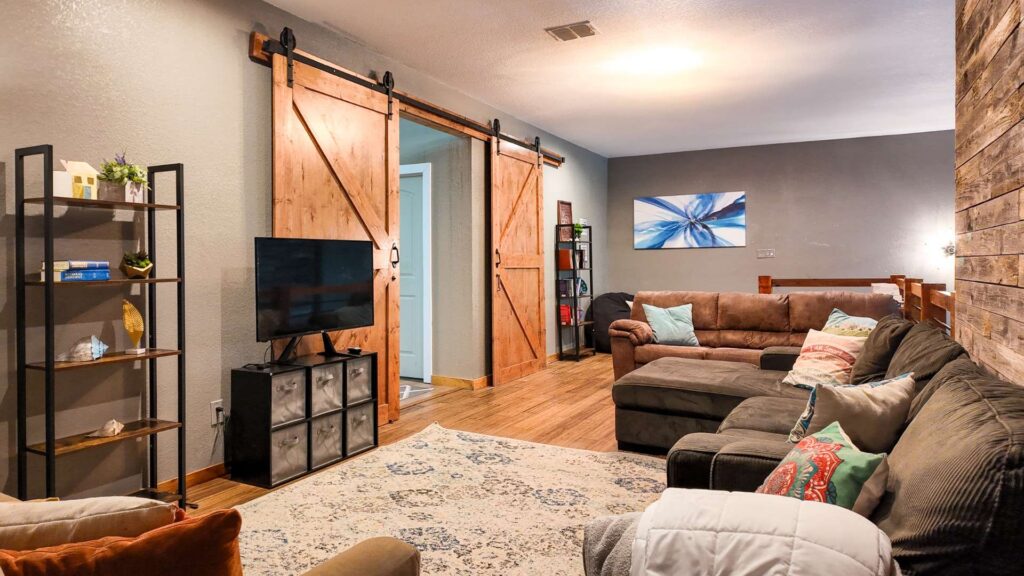
The Ranch at Weatherford provides the highest quality residential and outpatient treatment for eating disorders and co-occurring mental health conditions. Our homelike setting in Weatherford, TX offers a safe, judgment-free space where clients can reconnect with themselves and focus on healing while surrounded by nature. Walk trails beside peaceful pastures, practice yoga in the sunshine, journal in the privacy of our treehouse, or simply take the time to relax in a rocking chair and reflect. Because we maintain small treatment populations with a high staff-to-client ratio, each person receives the dedicated attention and individualized care often lacking in larger facilities.
Only 30 minutes from Ft. Worth and 15 minutes from historical downtown Weatherford, our location offers the opportunity to enjoy local festivals, outings to the botanical garden or Clyde Warren Park, seasonal farms, and therapeutic restaurant experientials. It’s the ideal setting for recovery. Contact us online or call 855-245-0961 to learn more or schedule a tour!
What to Expect During Residential Eating Disorder Treatment in Texas
Our Levels of Care
Every person's journey is unique. We offer personalized treatment programs designed to meet you where you are and support you every step of the way near Dallas, Texas in Weatherford.
Residential Treatment
24/7 inpatient eating disorder treatment providing structured, medically supported care in a safe, healing environment.
Outpatient Treatment
Daytime eating disorder treatment offering intensive support while allowing clients to live at home and maintain daily responsibilities.
Partial Hospitalization
High-level eating disorder treatment combining daily clinical care with increased flexibility outside of inpatient treatment.
Intensive Outpatient
High-level eating disorder treatment combining daily clinical care with increased flexibility outside of inpatient treatment.
Virtual Outpatient
Fully online eating disorder treatment delivering structured therapy and nutrition support from the comfort of home.
Aftercare
Ongoing eating disorder recovery support designed to maintain progress and reduce the risk of relapse after treatment.
Our Approach
Evidence-Based Care with Heart
We combine the latest research with compassionate, individualized care. Our multidisciplinary team works together to address the physical, emotional, and psychological aspects of eating disorders.
Cognitive Behavioral Therapy
Identify and change harmful thought patterns and behaviors.
Dialectical Behavior Therapy
Build skills for emotional regulation and distress tolerance.
Trauma-Informed Care
Address underlying trauma in a safe, supportive environment.
Daily Schedule & Treatment Differences
Both inpatient and residential eating disorder treatment provide structured daily schedules, but the focus and intensity differ. Inpatient care is more medically focused and may involve physicians, psychiatrists, nurses, registered dietitians, and therapists. A typical day may include medical assessments, vital-sign monitoring, structured meals, nutritional rehabilitation, medication management, and therapies such as cognitive behavioral therapy, dialectical behavior therapy, family-based therapy, and individual or group psychotherapy. The immediate goal is medical and psychiatric stabilization while beginning treatment for the underlying eating disorder.
Residential treatment also provides 24-hour structure but places greater emphasis on longer-term behavioral and psychological recovery. A multidisciplinary team may provide individual therapy, group therapy, family therapy, cognitive behavioral therapy, dialectical behavior therapy, exposure-based interventions, and nutrition counseling, along with supervised meals and recovery-focused activities. Clients work on eating disorder behaviors, emotional regulation, coping skills, and developing healthier routines.
Individuals do not necessarily need both levels of care. Someone experiencing significant medical instability may begin with inpatient treatment and then step down to residential care once medically stable. Others may enter residential treatment directly if they need intensive support but do not require hospital-based stabilization. As recovery progresses, clients may transition to partial hospitalization, intensive outpatient, or outpatient care based on their individual needs.
Specialized Programs
We understand that different ages and situations require different approaches. Our specialized programs are tailored to meet specific needs.

Adult Program
Specialized eating disorder treatment designed to support adults balancing recovery with work, family, and daily responsibilities.

Athlete Program
Eating disorder treatment tailored for athletes, addressing performance pressures, fueling needs, and sport-related stressors.

LGBTQ+ Program
Inclusive eating disorder treatment providing affirming, holistic care for individuals in the LGBTQ+ community.

Professionals Program
Specialized eating disorder treatment for professionals balancing recovery with work responsibilities, high stress, and the demands of daily life.

College Students Program
Specialized eating disorder treatment for professionals balancing recovery with work responsibilities, high stress, and the demands of daily life.

Complex Long Standing Program
Specialized eating disorder treatment for individuals with a long-standing or treatment-resistant history, focused on sustainable progress and renewed hope.

Insurance & Cost Differences
Insurance coverage and out-of-pocket costs can differ between inpatient and residential eating disorder treatment. Inpatient care may cost more per day because it is provided in a hospital and includes a higher level of medical monitoring, while residential treatment generally provides intensive 24-hour support without the same hospital-based medical resources. The actual cost depends on factors such as the individual’s insurance plan, in-network versus out-of-network status, deductible, copay or coinsurance, length of stay, level of care, and whether the insurer requires prior authorization or ongoing medical-necessity reviews.
In Texas, well-known insurance providers that may offer behavioral health and eating disorder treatment benefits include Blue Cross and Blue Shield of Texas, Aetna, Cigna, UnitedHealthcare and Optum, Magellan Health, Molina Healthcare, Baylor Scott & White Health Plan, and Superior HealthPlan.
We’re dedicated to providing support and treatment to anyone struggling with an eating disorder. Eating Disorder Solutions accepts over 80 major insurance policies, including all major providers, such as Blue Cross Blue Shield, Aetna, Magellan, and United Health Care. To quickly and confidentially check your insurance benefits, submit the form below or call us at 855-245-0961.
Start Residential Eating Disorder Treatment Today
Eating disorders are serious, potentially life-threatening conditions. Fortunately, long-term recovery is possible with the right treatment and support. Our experienced team will show you how to overcome underlying issues, rebuild your relationship with food, and develop a positive body image. Together, we will work to find the best direction for you — a direction that will help you recover the life you deserve. Starting the treatment process early is key. Call 855-245-0961 or contact us online to enroll in holistic residential eating disorder treatment today.
Read More:
Request A Call
Fill out the form below, and we’ll contact you shortly.
Conditions We Treat
We provide specialized care for all types of eating disorders across the Dallas–Fort Worth area.
Anorexia Nervosa
A restrictive eating disorder marked by fear of weight gain and distorted body image, requiring comprehensive medical, nutritional, and therapeutic care.

Bulimia Nervosa
An eating disorder involving cycles of binge eating and compensatory behaviors, often driven by emotional distress and body image concerns.

Binge Eating Disorder
Characterized by repeated episodes of eating large amounts of food with a sense of loss of control, without compensatory behaviors.

Compulsive Overeating
Recurrent episodes of overeating driven by emotional distress rather than physical hunger. Treatment helps address emotional triggers, reduce shame, and develop healthier coping strategies.

Body Dysmorphia
Persistent distress about perceived flaws in appearance that impact daily life. Treatment focuses on improving body image and reducing obsessive thoughts through structured therapeutic support.

Orthorexia
An unhealthy fixation on eating “clean” or “healthy” foods that leads to rigid rules and anxiety around meals. Treatment promotes flexibility, balanced nutrition, and a more sustainable relationship with food.

Co-Occurring Disorders
An eating disorder occurring alongside conditions such as anxiety, depression, or trauma. Treatment addresses both concerns together to support lasting recovery and emotional stability.

ARFID & Other Disorders
Includes avoidant or restrictive eating patterns and other specified feeding or eating disorders that require individualized treatment approaches.

Most Insurances Accepted
We work with most major insurance providers and offer flexible payment plans


Our admissions team will verify your insurance benefits at no cost and help you understand your coverage.
Real People, Real Results
Explore Our Facility


Why Choose Eating Disorder Solutions Near Dallas?
Eating Disorder Solutions near Dallas offers compassionate, evidence-based care in a peaceful, home-like setting designed to help clients feel safe, supported, and understood. Our multidisciplinary team provides individualized treatment across multiple levels of care, blending clinical excellence with real-world recovery skills that translate beyond treatment. With a strong focus on nutrition, therapy, and long-term healing, we help clients build a sustainable path to recovery, not just short-term progress.
Related Reading From Our Blog

National Eating Disorders Screening Week: What a Screening Can (and Can’t) Tell You
National Eating Disorders Screening Week: What a Screening Can (and Can’t) Tell You Each year, National Eating Disorders Screening Week asks a simple question: have

Starting College While in Eating Disorder Recovery
Starting College While in Eating Disorder Recovery The weeks around move-in day get talked about like a fresh start, and for a lot of students

Refeeding Syndrome: A Guide for Eating Disorder Recovery
Key Takeaways Monitoring for this risk is largely the dietitian’s role in recovery. Refeeding syndrome is a serious shift in fluids and electrolytes that can

How Self-Compassion Supports Eating Disorder Recovery: Speaking to Yourself with Kindness
Recovery is not a straight line. It’s more like a winding road full of unexpected detours, scenic overlooks, and a few potholes that might shake

One Year from Now: Visualizing Your Future Beyond Your Eating Disorder
What if you could time travel, just for a second? Not to some distant sci-fi future, but to a version of your life just one

How to Ask for Help (Even When It Feels Hard!)
Asking for help can feel like one of the most difficult things to do, especially when you’re struggling with an eating disorder. Whether it’s feelings