
Key Takeaways
Eating disorders and substance use disorders often occur together, a pattern called dual diagnosis. They share genetic, neurobiological, and psychological roots, and each can intensify the other. Because the combination raises medical and emotional risks, the most reliable path forward is integrated treatment that addresses both conditions at the same time.
- Substance use disorders are far more common in people with eating disorders than in the general population, especially with binge-purge presentations.
- The two conditions share risk factors, including trauma, impulsivity, perfectionism, anxiety, depression, and changes in brain reward chemistry.
- Patterns vary: stimulants may be misused to suppress appetite, while alcohol commonly co-occurs with bulimia and binge eating.
- Together, the disorders raise the risk of serious medical complications and make treatment harder, with higher dropout and relapse rates.
- Integrated, simultaneous care, combining therapies like CBT and DBT with nutritional and medical support, offers the strongest path to recovery.
The Overlapping Epidemics: Eating Disorders and Addiction
Eating disorders and substance use disorders (SUDs) are often intertwined, creating a complex and challenging clinical picture. Research shows that a significant percentage of individuals with eating disorders also struggle with substance abuse, and vice versa. This co-occurrence, known as dual diagnosis or comorbidity, requires a specialized, integrated treatment approach that addresses both conditions simultaneously for a successful recovery.
Substance use disorders are far more common among people with eating disorders than in the general population. A systematic review and meta-analysis estimated that roughly one in five people with an eating disorder also experiences a substance use disorder over their lifetime, with tobacco, caffeine, and alcohol the most common, and rates highest among those with binge-purge presentations (Bahji et al., 2019). This pattern highlights a powerful and dangerous synergy between these two conditions.
The relationship between eating disorders and addiction is bidirectional. Eating disorder symptoms, restriction, bingeing, purging, can trigger neurochemical changes that mirror those seen in substance use disorder. Conversely, drug use can alter appetite, body image perception, and impulse control in ways that create fertile ground for disordered eating to take root. Research from the National Center on Addiction and Substance Abuse at Columbia University found that eating disorders and substance abuse share common risk factors including family history, low self-esteem, depression, anxiety, and a history of trauma or abuse.
Why Do Eating Disorders and Substance Use Disorders Co-Occur?
The connection between eating disorders and substance abuse is rooted in shared neurobiological, genetic, and psychological vulnerabilities.
Shared Genetic Predispositions: Research suggests a common genetic vulnerability for both eating disorders and substance use. Variations in genes related to dopamine and serotonin, neurotransmitters that regulate mood, reward, and impulse control, may increase an individual’s susceptibility to both conditions.
Neurobiological Reward Pathways: Both disorders involve dysregulation in the brain’s reward pathways. The act of restricting food intake, bingeing, purging, or using substances can trigger a temporary release of dopamine, creating a powerful cycle of reinforcement. Over time, the brain adapts, requiring more of the behavior or substance to achieve the same effect, the hallmark of addiction and substance abuse.
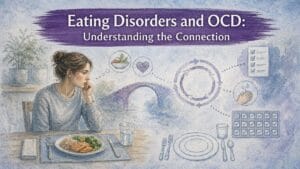
Psychological and Personality Traits: Certain personality traits are common in individuals with a dual diagnosis, including high levels of impulsivity, perfectionism, neuroticism, and harm avoidance. Co-occurring mental health conditions like anxiety disorder, depression, PTSD, and obsessive-compulsive disorder are also highly prevalent and can fuel both the eating disorder and the substance use.
Trauma and Adverse Childhood Experiences: A history of trauma is a significant risk factor for both eating disorders and substance use disorders. Individuals may use substances or disordered eating behaviors as coping mechanisms to manage the emotional pain associated with trauma.
Common Patterns: Anorexia Nervosa, Bulimia, and Substance Abuse
While any combination of eating disorder and substance use disorder is possible, specific patterns often emerge in individuals with a dual diagnosis.
Anorexia Nervosa and Stimulant Use: Individuals with anorexia nervosa may abuse stimulant drugs like cocaine, amphetamines, or prescription ADHD medication to suppress appetite, increase energy, and further weight loss. The stimulating effects of these drugs can mimic the feeling of control that some individuals with anorexia nervosa experience from starvation.
Bulimia Nervosa and Alcohol Use: Those with bulimia nervosa often struggle with impulsivity, which can manifest as both binge eating and substance use. Alcohol use is commonly reported, sometimes to lower inhibitions before a binge or to self-medicate feelings of shame and guilt afterward. Bulimia nervosa and alcohol use disorder share the highest rates of co-occurrence among all eating disorder and substance combinations.
Binge Eating Disorder and Drug Use: Binge eating disorder (BED) is also strongly linked to alcohol use and drug use. The impulsivity that drives binge eating can extend to heavy drinking or drug abuse, and the two behaviors can become a cyclical pattern. Individuals may use substances to cope with the emotional distress that triggers binge eating episodes.
The Dangers of Co-Occurring Eating Disorders and Substance Abuse
When an eating disorder and a substance use disorder exist together, the medical and psychological consequences are magnified. The combination can be life-threatening and significantly complicates the treatment of eating disorders and addiction and substance abuse.
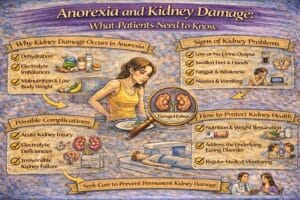
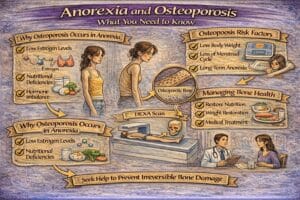
Medically, the body is placed under extreme stress. Malnutrition from the eating disorder weakens the heart, bones, and immune system, while substance abuse adds its own toxic burden, increasing the risk of organ failure, cardiac arrest, and overdose. People with eating disorders who also engage in substance abuse face dramatically higher mortality rates than those with either condition alone.
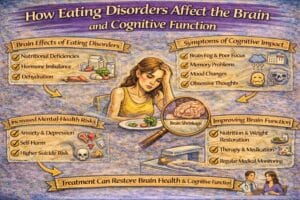
Psychologically, the individual is trapped in a vicious cycle where one disorder fuels the other, leading to increased depression, anxiety, and suicidality. The comorbidity also makes standard treatment protocols less effective, patients with eating disorders who also have active substance use disorders are more likely to drop out of treatment and experience relapse (Gregorowski et al., 2013).
How Does Eating Disorder and Substance Use Treatment Work?
Effective treatment for a dual diagnosis requires an integrated approach that addresses both the eating disorder and the substance use disorder simultaneously. Research consistently shows that treating these conditions in parallel, rather than sequentially, leads to significantly better outcomes for individuals with eating disorders and substance abuse.
Comprehensive Assessment: A thorough evaluation of both the eating disorder and the substance use disorder, including medical, psychiatric, nutritional, and social assessments. This helps clinicians understand the full scope of the individual’s needs and develop a personalized treatment plan.
Evidence-Based Therapies: Cognitive Behavioral Therapy (CBT) and Dialectical Behavior Therapy (DBT) are well-established, evidence-based treatments for both eating disorders and addiction. These therapies help individuals identify and challenge distorted thoughts, develop healthier coping skills, regulate emotions, and build distress tolerance. Motivational interviewing and trauma-focused therapies are also commonly used.
Medical Stabilization: Addressing the physical consequences of both disorders, including nutritional rehabilitation, management of withdrawal symptoms, and treatment of any medical complications. Medical monitoring is essential, particularly in the early stages of recovery from an eating disorder and substance use.
Peer Support and Community: Connecting individuals with others who have shared experiences of recovery from eating disorders and substance abuse. Group therapy, peer support programs, and alumni networks provide ongoing support and accountability.
Treatment for Eating Disorders and Substance Use at Eating Disorder Solutions
At Eating Disorder Solutions, we recognize the critical need for specialized, integrated care for individuals with a dual diagnosis. Our clinical team conducts a thorough assessment for co-occurring substance use upon admission, and we develop a comprehensive, individualized treatment plan that addresses the full complexity of each client’s situation.
Our treatment programs incorporate evidence-based therapies proven effective for both eating disorders and addiction, including CBT, DBT, and trauma-informed care. We provide a safe, supportive environment where individuals can address the underlying psychological drivers of both their eating disorder and their substance use, whether that is trauma, anxiety, depression, or a distorted relationship with food and body image.
For clients whose substance use disorder requires a higher level of care, such as medical detoxification or specialized addiction treatment, we coordinate closely with trusted addiction treatment providers to ensure a seamless transition and continuity of care. This collaborative model ensures that individuals receive the comprehensive support they need to achieve lasting recovery from both conditions.
Recovery from a dual diagnosis is absolutely possible. With the right treatment, individuals can heal the underlying wounds that drive both their eating disorder and their substance use, develop healthy coping skills, and build a life of lasting wellness.
| Feature | Eating Disorder | Substance Use Disorder |
| Core Feature | Pathological relationship with food, weight, and body image | Compulsive use of a substance despite harmful consequences |
| Behavioral Pattern | Restriction, bingeing, purging, compulsive exercise | Loss of control over use, craving, tolerance, withdrawal |
| Psychological Driver | Need for control, low self-esteem, body dysmorphia | Coping mechanism, self-medication, altered brain chemistry |
| Medical Risks | Malnutrition, cardiac issues, electrolyte imbalance, GI damage | Overdose, organ damage, infectious diseases, neurological impairment |
| Social Impact | Isolation, secrecy, strained relationships | Legal problems, financial issues, damaged relationships |
| Treatment Approach | Nutritional rehab, therapy, medical monitoring | Detox, behavioral therapy, peer support, relapse prevention |
Frequently Asked Questions
How does eating disorder correlate with substance abuse?
Eating disorders and substance abuse frequently co-occur due to shared genetic vulnerabilities, similar neurobiological pathways involving reward and impulse control, and common psychological risk factors like trauma, depression, and anxiety. One disorder often develops as a way to cope with the symptoms of the other, creating a cycle of comorbidity that requires integrated treatment to break.
Are people with eating disorders considered addicts?
While eating disorders are not formally classified as addiction in the DSM-5, they share many core features with substance use disorder, including compulsive behaviors, a loss of control, and continued engagement despite negative consequences. Many researchers and clinicians view eating disorders as a form of behavioral addiction, particularly given the shared neurobiological mechanisms and the high rates of co-occurring substance abuse.
What are the 4 C’s of substance use disorder?
The 4 C’s of addiction are: Craving (an intense desire for the substance), loss of Control (inability to stop using despite wanting to), Compulsion to use (continuing despite negative consequences), and Consequences (physical, psychological, or social harm resulting from use). These same features are often seen in eating disorder behaviors.
Can you recover from a dual diagnosis?
Yes, recovery from a dual diagnosis of an eating disorder and substance use disorder is absolutely possible. With integrated treatment that addresses both conditions concurrently, including evidence-based therapies, medical support, and peer connection, individuals can learn the skills to manage both conditions, heal the underlying issues, and build a fulfilling life in recovery.
If you or a loved one are struggling with an eating disorder and co-occurring substance use, our compassionate team at Eating Disorder Solutions is here to help. Call us today at 855-245-0961 or visit eatingdisordersolutions.com to learn more about our dual diagnosis program and take the first step toward lasting recovery.
References
- Bahji A, Mazhar MN, Hudson CC, et al. Prevalence of substance use disorder comorbidity among individuals with eating disorders: a systematic review and meta-analysis. Psychiatry Res. 2019;273:58-66. doi:10.1016/j.psychres.2019.01.007
- Gregorowski C, Seedat S, Jordaan GP. A clinical approach to the assessment and management of co-morbid eating disorders and substance use disorders. BMC Psychiatry. 2013;13:289. doi:10.1186/1471-244X-13-289
- Munn-Chernoff MA, Johnson EC, Chou YL, et al. Shared genetic risk between eating disorder- and substance-use-related phenotypes: evidence from genome-wide association studies. Addict Biol. 2020;26(1):e12880. doi:10.1111/adb.12880
Support and Crisis Resources
If you or someone you love is struggling, support is available. If you are in crisis or need immediate help, call or text 988 to reach the 988 Suicide and Crisis Lifeline, a free, confidential service available 24/7.
Related Reading
- Eating Disorders and Dissociation: What the Research Shows
- Eating Disorders and Chronic Pain: The Overlooked Link