Key Takeaways
Hair loss is a common, and usually reversible, physical sign of an eating disorder. When the body is undernourished, it diverts resources away from hair growth, causing widespread shedding (telogen effluvium) and, in some cases, fine downy hair called lanugo. Hair regrows once nutrition is restored and the eating disorder is treated.
- Undernutrition pushes many hair follicles into a resting phase, leading to widespread thinning and shedding known as telogen effluvium.
- Low protein, iron, zinc, biotin, and other nutrient deficiencies common in eating disorders can each contribute to hair loss.
- Lanugo, fine downy hair on the face and body, can appear as the body tries to stay warm during starvation and fades as nutrition is restored.
- Hair loss from an eating disorder is almost always reversible, but there are no quick fixes; supplements alone do not work without addressing the underlying malnutrition.
- Regrowth takes time, so nutritional rehabilitation, medical stabilization, gentle hair care, and patience all support recovery.
Hair loss is one of the most common and distressing physical signs of an eating disorder. When the body is deprived of essential nutrients through restriction, purging, or other behaviors, it enters a state of self-preservation, shunting resources away from non-essential processes like hair growth to support vital organs. This leads to noticeable hair thinning, shedding, and changes in texture. For many, this is one of the most visible and emotionally painful consequences of the illness, serving as a constant, external reminder of the internal struggle.
At Eating Disorder Solutions, we recognize the significant emotional toll that hair loss can take. It can severely impact self-esteem, body image, and the motivation to pursue recovery. The visible nature of hair loss can intensify feelings of shame and secrecy, making it harder to reach out for help. It can also become a focal point of the eating disorder, with individuals closely monitoring their hair as a measure of their weight or control. Our comprehensive treatment programs are designed to restore medical stability and nutritional health, which are the essential first steps to reversing these effects and promoting hair regrowth. We help you understand the science behind the symptoms while providing the compassionate support needed to navigate the emotional and physical challenges of recovery. Our therapists work with you to address the body image distress associated with hair loss, helping you build resilience and self-worth that is not tied to physical appearance.
Why Malnutrition Causes Hair Loss: Telogen Effluvium
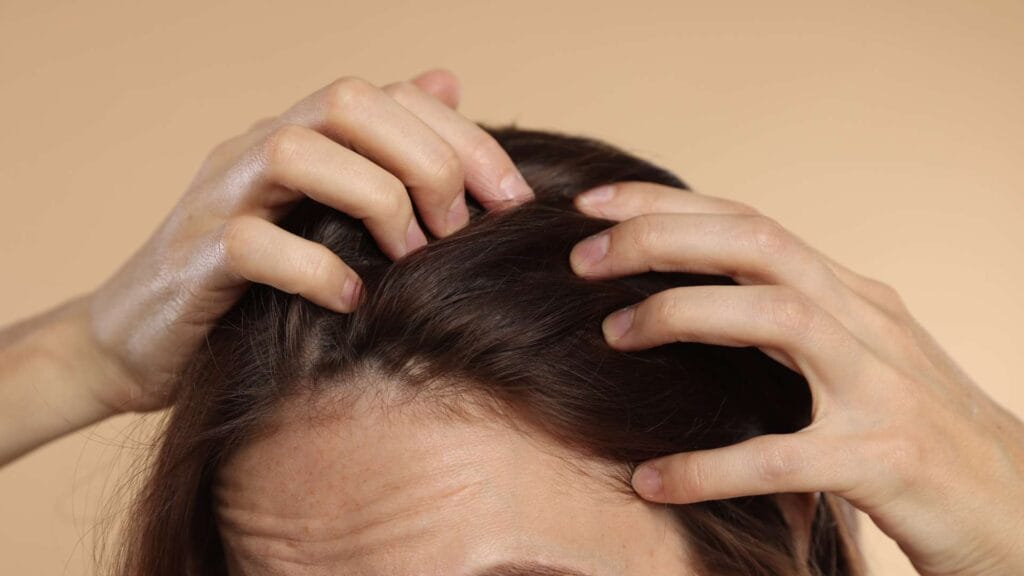
The primary type of hair loss associated with eating disorders is telogen effluvium. This condition is characterized by a widespread shedding of hair across the entire scalp. It happens when a significant stressor, in this case, malnutrition, rapid weight loss, or psychological distress, causes a large number of hair follicles to prematurely enter the resting (telogen) phase of the hair growth cycle.
Normally, about 5-10% of your hair is in the telogen phase at any given time. In telogen effluvium, this can jump to 30% or more. A few months after the triggering event, these hairs are shed, resulting in a noticeable increase in hair fall when brushing, washing, or throughout the day. Acute telogen effluvium is a well-recognized effect of sudden weight loss or reduced protein intake (Guo & Katta, 2017).
Key Nutritional Deficiencies That Drive Hair Loss
Several specific nutrient deficiencies common in eating disorders directly impact hair health (Almohanna et al., 2019). Protein is the most critical, as hair is primarily made of a protein called keratin. Inadequate protein intake forces the body to ration what little it has, halting hair production entirely. Iron deficiency anemia is also common in eating disorders and is a well-established cause of hair loss. Zinc is crucial for hair tissue growth and repair, and low levels can lead to a deterioration of the protein structure that makes up the hair follicle. Biotin and B vitamins are essential for producing keratin and supporting healthy hair growth, while essential fatty acids are vital for maintaining the health of the scalp and hair follicles.
Lanugo: A Different Kind of Hair Growth
Paradoxically, while the hair on the head is falling out, some individuals with anorexia may develop lanugo. This is the growth of fine, downy, unpigmented hair on the face, back, and arms. Lanugo is the body’s primitive attempt to insulate itself and stay warm in the absence of sufficient body fat. It is the same type of hair that covers a fetus in the womb, and its reappearance in an adult is a serious medical sign that the body is in a state of starvation. Lanugo typically disappears as weight is restored and the body no longer needs this protective mechanism.
| Stage | Description |
| 1. Nutritional Restoration | The first and most critical step. A balanced intake of energy, protein, vitamins, and minerals is required to signal to the body that it is safe to resume non-essential functions. |
| 2. Medical Stabilization | Correcting any electrolyte imbalances, anemia, or hormonal disruptions that are contributing to the problem. |
| 3. Patience | It can take several months after nutritional restoration begins for the hair follicles to re-enter the growth phase and for new hair to become noticeable. |
| 4. Gentle Care | Avoiding harsh chemical treatments, excessive heat styling, and tight hairstyles can help protect the fragile new hair as it grows in. |
The Path to Hair Regrowth
The most important thing to understand is that hair loss from an eating disorder is almost always reversible. However, there are no quick fixes or magic supplements that can work without addressing the root cause. Effective treatment centers on nutritional rehabilitation and medical stabilization.
At Eating Disorder Solutions, our expert medical and dietetic teams create individualized plans to safely and effectively restore your nutritional health. We provide the support and guidance needed to navigate the refeeding process and manage the emotional challenges that come with physical changes in recovery. It can take several months after nutritional restoration begins for the hair follicles to re-enter the growth (anagen) phase and for new hair to become noticeable, but the process is reliable when the underlying eating disorder is treated comprehensively.
If you are experiencing hair loss as a result of an eating disorder, please know that you are not alone and that help is available. Contact our admissions team at 855-245-0961 to begin your journey to healing and recovery.
Frequently Asked Questions
How long does it take for hair to grow back after an eating disorder?
Regrowth is a slow process that requires patience. After nutritional intake is stabilized, it typically takes 2-3 months for the hair follicles to shift back into the anagen (growth) phase. You may then start to see fine, new hairs. It can take 6-12 months or longer to see a significant improvement in overall hair density and length.
Will taking biotin or other hair supplements help?
While specific nutrient deficiencies do cause hair loss, simply taking supplements without correcting the overall malnutrition is not effective. The body needs adequate nutrition and protein first and foremost. Once you are on a balanced meal plan in recovery, your treatment team may recommend certain supplements if blood tests show a specific deficiency, but they are a secondary support, not the primary solution.
Is lanugo the same as normal body hair?
No. Lanugo is very different from normal body hair. It is much finer, softer, and usually lacks pigment. Its appearance is a physiological response to starvation and a lack of insulating body fat, and it typically disappears as weight is restored and the body no longer needs this protective mechanism.
Can the stress of recovery itself cause more hair loss?
Telogen effluvium can be triggered by significant psychological stress as well as physical stress. The recovery process, while ultimately positive, can be emotionally challenging. It is possible to experience a temporary shedding phase even as you begin to re-nourish your body. This can be discouraging, but it is important to trust the process and continue working with your treatment team.
Hair loss is a visible sign that your body needs comprehensive care. At Eating Disorder Solutions, our residential and PHP programs provide the medical monitoring, nutritional rehabilitation, and therapeutic support needed to heal your body and mind. Call us today at 855-245-0961 or visit eatingdisordersolutions.com.
References
- Guo EL, Katta R. Diet and hair loss: effects of nutrient deficiency and supplement use. Dermatol Pract Concept. 2017;7(1):1-10. doi:10.5826/dpc.0701a01
- Almohanna HM, Ahmed AA, Tsatalis JP, Tosti A. The role of vitamins and minerals in hair loss: a review. Dermatol Ther (Heidelb). 2019;9(1):51-70. doi:10.1007/s13555-018-0278-6
- Strumia R. Dermatologic signs in patients with eating disorders. Am J Clin Dermatol. 2005;6(3):165-173. doi:10.2165/00128071-200506030-00003
Support and Crisis Resources
If you or someone you love is struggling, support is available. If you are in crisis or need immediate help, call or text 988 to reach the 988 Suicide and Crisis Lifeline, a free, confidential service available 24/7.
Related Reading
- Anorexia and Heart Problems: Understanding the Cardiovascular Risks
- Eating Disorders and Your Gut: The GI Complications