













Eating Disorder Treatment Training, Credentials & Qualifications in Texas

Eating disorder treatment requires specialized training and clinical expertise. In Texas, qualified professionals can pursue specialized education, certifications, and credentials to develop the skills needed to provide safe, evidence-based care for individuals with eating disorders.

Modified Date: September 11, 2026

Eating Disorder Treatment Training Requirements in Texas

In Texas, there is no separate state license specifically for eating disorder treatment. Instead, professionals must meet the licensing and scope-of-practice requirements for their underlying profession, such as counseling, psychology, medicine, or dietetics. Depending on the profession, eligibility may include completing an approved degree, supervised clinical experience, required examinations, background checks, and continuing education. Eating-disorder-specific certification is generally an additional credential rather than a legal requirement, although specialized training and experience are important for providing competent, evidence-based care.

Key Credentials, Education & Clinical Training for Eating Disorder Professionals

Eating disorder professionals in Texas come from a range of healthcare backgrounds, including psychology, counseling, social work, medicine, nursing, and dietetics. Depending on their profession, providers must complete the appropriate degree, supervised experience, examinations, and state licensure requirements. Additional eating disorder-specific training and credentials can provide specialized expertise in assessing and treating conditions such as anorexia nervosa, bulimia nervosa, binge-eating disorder, and avoidant/restrictive food intake disorder.

  • Professional license: Eating disorder treatment may be provided by appropriately licensed professionals, including psychologists, licensed professional counselors, social workers, psychiatrists, physicians, registered dietitians, and advanced practice registered nurses.
  • Psychology degrees and credentials: Psychologists typically hold a Doctor of Philosophy (PhD) or Doctor of Psychology (PsyD) in psychology and must meet Texas requirements for psychologist licensure.
  • Counseling degrees and credentials: Professional counselors generally complete a master’s or doctoral degree in counseling or a related field and obtain Licensed Professional Counselor (LPC) licensure in Texas.
  • Social work degrees and credentials: Social workers may hold a Bachelor of Social Work (BSW) or Master of Social Work (MSW), depending on their level of practice and Texas licensure.
  • Psychiatry and medical credentials: Psychiatrists complete a Doctor of Medicine (MD) or Doctor of Osteopathic Medicine (DO) degree, followed by residency training in psychiatry and appropriate Texas medical licensure.
  • Dietetics education and credentials: Registered dietitians complete qualifying undergraduate or graduate education, supervised practice, and examination requirements for the Registered Dietitian (RD) credential and applicable Texas licensure.
  • Advanced nursing credentials: Advanced practice registered nurses may hold a master’s or doctoral nursing degree, national certification, and the required Texas authorization to practice.
  • Eating disorder specialization: Licensed professionals may pursue additional credentials such as Certified Eating Disorders Specialist (CEDS) or Certified Eating Disorders Specialist–Supervisor (CEDS-S) certification through the International Association of Eating Disorders Professionals.
  • Specialized clinical training: Providers should have education and practical experience in eating disorder assessment and evidence-based treatment, including anorexia nervosa, bulimia nervosa, binge-eating disorder, and avoidant/restrictive food intake disorder.
  • Continuing education: Ongoing education in eating disorders, nutritional rehabilitation, psychotherapy, medical monitoring, and multidisciplinary care helps professionals maintain and expand their expertise.

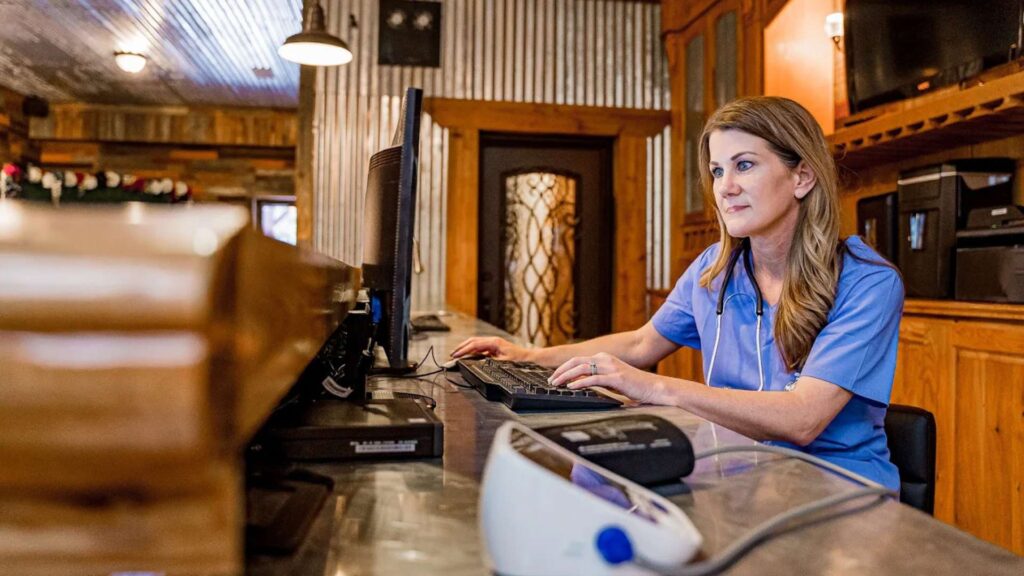
Eating disorder treatment often involves a multidisciplinary team, with each professional addressing a different aspect of recovery. Therapists and psychologists work with clients on emotional, behavioral, and psychological concerns, while psychiatrists can evaluate co-occurring mental health conditions and manage medications when appropriate. Physicians and medical providers monitor physical health and address medical complications, while registered dietitians provide nutrition counseling, meal planning, and support with nutritional rehabilitation. Nurses provide ongoing medical support and monitoring, and case managers help coordinate services and transitions between levels of care. Depending on the client’s needs, family-focused providers may also involve loved ones in treatment and recovery planning.

Joint Commission - Eating Disorder Solutions

Joint Commissions

Certified

75+75 Treatment Guarantee

Treatment Guarantee

75+75

Hall of Fame Health Elite Care Center

Elite Care Center

Hall of Fame

Psychology Today

Verified

Eating Disorder Certifications in Texas

Eating disorder certifications can help Texas healthcare professionals demonstrate specialized knowledge and experience in treating eating disorders. While certification is generally not required by the state to provide treatment, professionals can pursue specialized credentials and training to strengthen their expertise alongside their required professional license.

  • Certified Eating Disorders Specialist (CEDS): A specialized credential for qualified professionals with education and experience in eating disorder treatment.
  • Certified Eating Disorders Specialist Supervisor (CEDS-S): An advanced credential for experienced professionals who supervise others providing eating disorder care.
  • Registered Dietitian (RD): A professional nutrition credential that is particularly relevant to eating disorder treatment and nutritional rehabilitation.
  • Board certification in psychiatry: Psychiatrists may pursue specialty board certification demonstrating advanced expertise in psychiatric care.
  • Specialized eating disorder training: Professionals can complete continuing education, workshops, and evidence-based treatment training to expand their knowledge.
  • Texas professional licensure: Eating disorder certifications supplement the underlying Texas license required to practice within a regulated healthcare profession.
Choosing Treatment That’s Right for You Near Addison Texas
Exposure Therapy for Eating Disorders in Texas_ 1

Our Residential Eating Disorder Treatment Location

Address: 1664 Whippoorwill Trail
Weatherford, TX 76085

Phone Number: 855-245-0961

Level of Care: Residential and Partial Hospitalization Program

Who We Treat: Adults (18+)

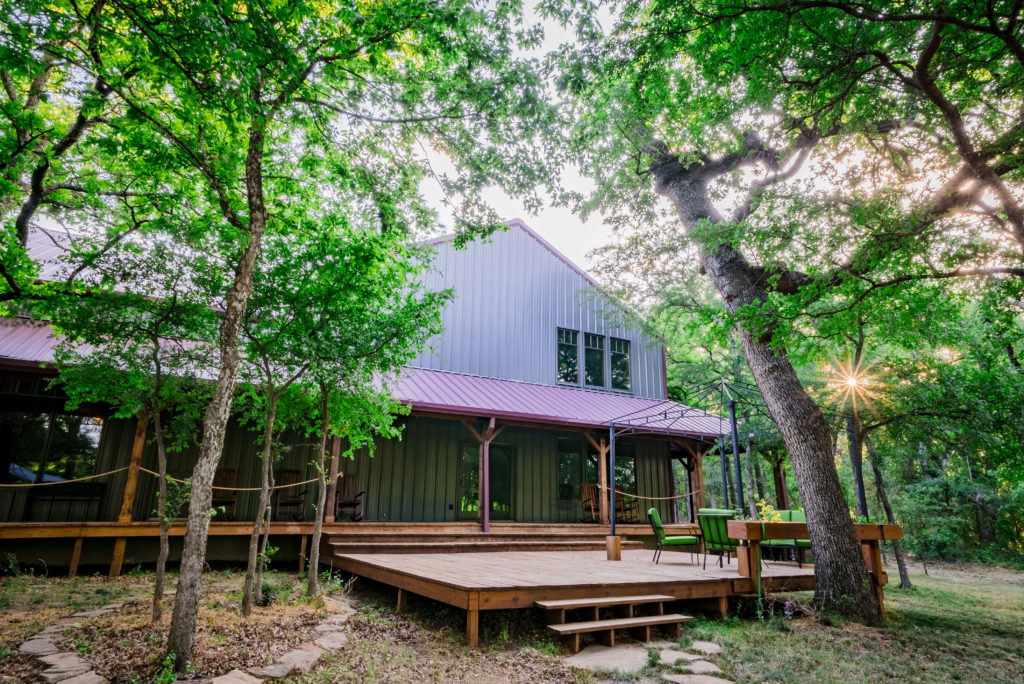
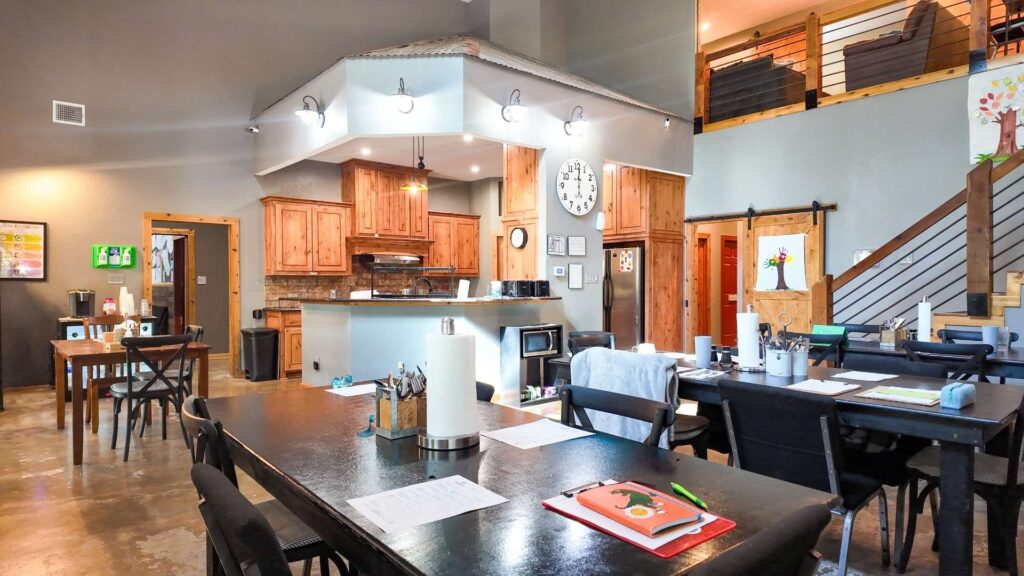
The Ranch at Weatherford provides the highest quality residential and outpatient treatment for eating disorders and co-occurring mental health conditions. Our homelike setting in Weatherford, TX offers a safe, judgment-free space where clients can reconnect with themselves and focus on healing while surrounded by nature. Walk trails beside peaceful pastures, practice yoga in the sunshine, journal in the privacy of our treehouse, or simply take the time to relax in a rocking chair and reflect. Because we maintain small treatment populations with a high staff-to-client ratio, each person receives the dedicated attention and individualized care often lacking in larger facilities.

Only 30 minutes from Ft. Worth and 15 minutes from historical downtown Weatherford, our location offers the opportunity to enjoy local festivals, outings to the botanical garden or Clyde Warren Park, seasonal farms, and therapeutic restaurant experientials. It’s the ideal setting for recovery. Contact us online or call 855-245-0961 to learn more or schedule a tour!

Who Makes the Best Eating Disorder Professionals

The best eating disorder professionals are qualified, licensed providers with specialized training and hands-on experience treating eating disorders. Effective care often involves a multidisciplinary team that may include therapists, psychologists, psychiatrists, physicians, and registered dietitians. Beyond professional credentials, strong providers understand evidence-based treatment, communicate effectively, and take a compassionate, individualized approach to recovery. Experience treating the specific eating disorder and age group can also be important when choosing a provider.

Who Should Not Pursue Eating Disorder Specialization

Eating disorder specialization may not be appropriate for professionals who are not prepared to work with the complex medical, psychological, and emotional needs involved in eating disorder care. Those who lack the required professional education or licensure, are unwilling to complete specialized training, or have difficulty maintaining appropriate professional boundaries may want to consider another area of practice. Professionals who find eating disorder content personally triggering or emotionally overwhelming should also evaluate whether this specialty is suitable for them at the present time.

Our Levels of Care

Every person's journey is unique. We offer personalized treatment programs designed to meet you where you are and support you every step of the way near Dallas, Texas in Weatherford.

Residential Treatment at Eating Disorder Solutions House Icon

Residential Treatment

24/7 inpatient eating disorder treatment providing structured, medically supported care in a safe, healing environment.

Outpatient Eating Disorder Treatment Icon

Outpatient Treatment

Daytime eating disorder treatment offering intensive support while allowing clients to live at home and maintain daily responsibilities.

Partial Hospitalization Program Outpatient at Eating Disorder Solutions Icon

Partial Hospitalization

High-level eating disorder treatment combining daily clinical care with increased flexibility outside of inpatient treatment.

Intensive Outpatient Program at Eating Disorder Solutions Icon

Intensive Outpatient

High-level eating disorder treatment combining daily clinical care with increased flexibility outside of inpatient treatment.

Virtual Outpatient Program Telehealth at Eating Disorder Solutions Icon

Virtual Outpatient

Fully online eating disorder treatment delivering structured therapy and nutrition support from the comfort of home.

Aftercare Treatment at Eating Disorder Solutions Icon

Aftercare

Ongoing eating disorder recovery support designed to maintain progress and reduce the risk of relapse after treatment.

Our Approach

Evidence-Based Care with Heart

We combine the latest research with compassionate, individualized care. Our multidisciplinary team works together to address the physical, emotional, and psychological aspects of eating disorders.

Cognitive Behavioral Therapy Talking Icon

Cognitive Behavioral Therapy

Identify and change harmful thought patterns and behaviors.

Dialectical Behavior Therapy at Eating Disorder Solutions Brain Icon

Dialectical Behavior Therapy

Build skills for emotional regulation and distress tolerance.

Truama-Informed Care at Eating Disorder Solutions Care Icon

Trauma-Informed Care

Address underlying trauma in a safe, supportive environment.

Evidence-Based Care with Heart_ at Eating Disorder Solutions
Eating Disorder Solutions Team Meet During Intake

Eating Disorder Specialists at Eating Disorder Solutions in Texas

At Eating Disorder Solutions, our Texas-based team provides specialized, multidisciplinary eating disorder care designed to support clients throughout the recovery process. Rather than limiting treatment to a single level of care, we offer a full continuum of care, including residential treatment, partial hospitalization, intensive outpatient, virtual outpatient services, and aftercare. Our team includes licensed therapists, registered dietitians, nurses, and medical professionals who work together to create individualized treatment plans based on each client’s clinical and recovery needs.

What makes Eating Disorder Solutions special is its full continuum of care and multidisciplinary approach to eating disorder treatment. Clients can transition between levels of care as their needs change while continuing to receive coordinated support from a qualified treatment team. Our programs combine evidence-based treatment with individualized care that addresses the physical, nutritional, emotional, and psychological aspects of eating disorder recovery.

Specialized Programs

We understand that different ages and situations require different approaches. Our specialized programs are tailored to meet specific needs.

Who We Eat for Compulsive Overeating Adults of All Ages

Adult Program

Specialized eating disorder treatment designed to support adults balancing recovery with work, family, and daily responsibilities.

OSFED Who We Treat at Eating Disorder Solutions Adult Athletes

Athlete Program

Eating disorder treatment tailored for athletes, addressing performance pressures, fueling needs, and sport-related stressors.

LGBTQ+ Eating Disorder Treatment Programs at Eating Disorder Solutions

LGBTQ+ Program

Inclusive eating disorder treatment providing affirming, holistic care for individuals in the LGBTQ+ community.

Who We Eat for Compulsive Overeating Professionals

Professionals Program

Specialized eating disorder treatment for professionals balancing recovery with work responsibilities, high stress, and the demands of daily life.

OSFED Who We Treat at Eating Disorder Solutions College Students

College Students Program

Specialized eating disorder treatment for professionals balancing recovery with work responsibilities, high stress, and the demands of daily life.

Myths and Facts About Eating Disorders

Complex Long Standing Program

Specialized eating disorder treatment for individuals with a long-standing or treatment-resistant history, focused on sustainable progress and renewed hope.


Start Residential Eating Disorder Treatment Today

Eating disorders are serious, potentially life-threatening conditions. Fortunately, long-term recovery is possible with the right treatment and support.  Our experienced team will show you how to overcome underlying issues, rebuild your relationship with food, and develop a positive body image. Together, we will work to find the best direction for you — a direction that will help you recover the life you deserve.  Starting the treatment process early is key. Call 855-245-0961 or contact us online to enroll in holistic residential eating disorder treatment today.

Read More:

Start Your Recovery From Orthorexia Today_

Request A Call

Fill out the form below, and we’ll contact you shortly. 

Conditions We Treat

We provide specialized care for all types of eating disorders across the Dallas–Fort Worth area.

ARFID Treatment Icon

Anorexia Nervosa

A restrictive eating disorder marked by fear of weight gain and distorted body image, requiring comprehensive medical, nutritional, and therapeutic care.

Bulimia Disorder Treatment Icon

Bulimia Nervosa

An eating disorder involving cycles of binge eating and compensatory behaviors, often driven by emotional distress and body image concerns.

Binge Eating Disorder Treatment Icon

Binge Eating Disorder

Characterized by repeated episodes of eating large amounts of food with a sense of loss of control, without compensatory behaviors.

OSFED Treatment Icon

Compulsive Overeating

Recurrent episodes of overeating driven by emotional distress rather than physical hunger. Treatment helps address emotional triggers, reduce shame, and develop healthier coping strategies.

Body Dysmorphia Treatment Grey Icon

Body Dysmorphia

Persistent distress about perceived flaws in appearance that impact daily life. Treatment focuses on improving body image and reducing obsessive thoughts through structured therapeutic support.

EDS Orthorexia Icon

Orthorexia

An unhealthy fixation on eating “clean” or “healthy” foods that leads to rigid rules and anxiety around meals. Treatment promotes flexibility, balanced nutrition, and a more sustainable relationship with food.

EDS Co-Occurring Disorders Icon

Co-Occurring Disorders

An eating disorder occurring alongside conditions such as anxiety, depression, or trauma. Treatment addresses both concerns together to support lasting recovery and emotional stability.
ARFID & Other Disorders

Includes avoidant or restrictive eating patterns and other specified feeding or eating disorders that require individualized treatment approaches.


Most Insurances Accepted

We work with most major insurance providers and offer flexible payment plans

Our admissions team will verify your insurance benefits at no cost and help you understand your coverage.

Real People, Real Results

Our Dedicated Team

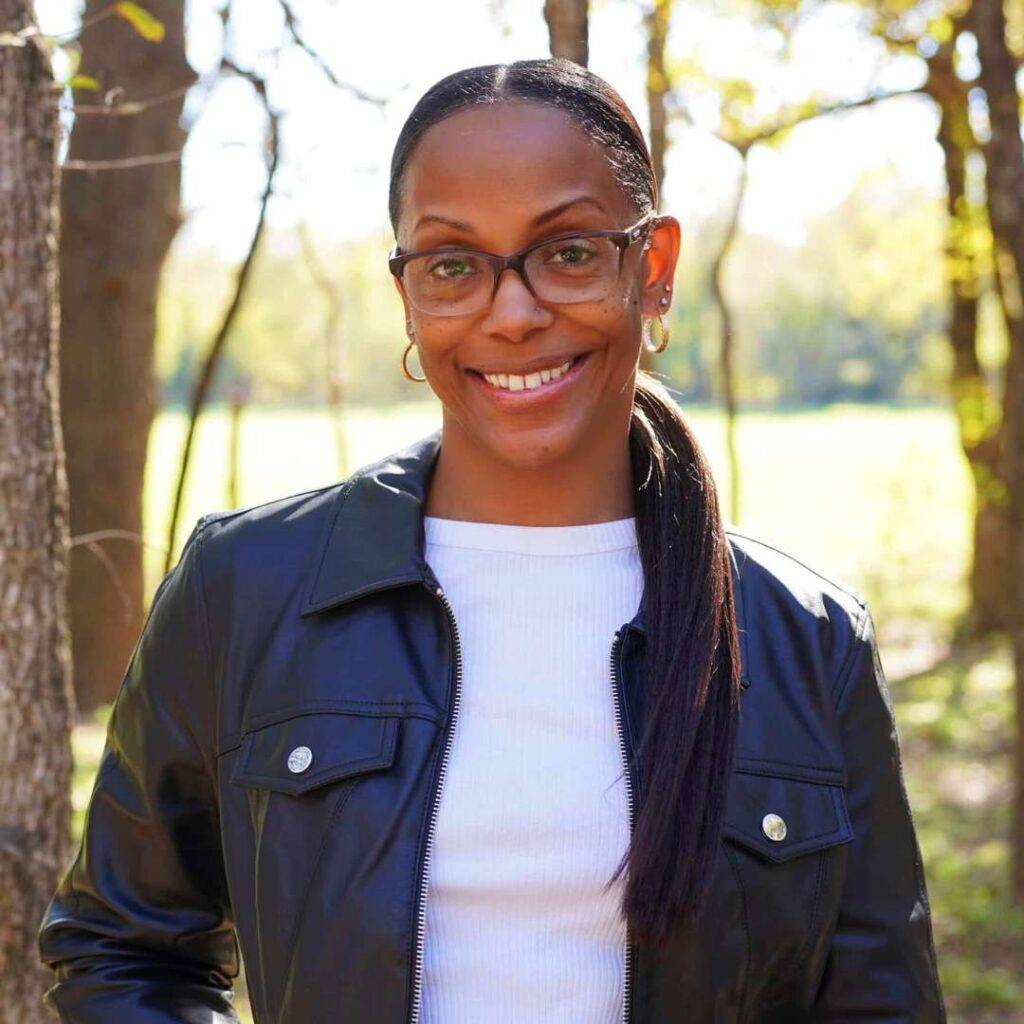
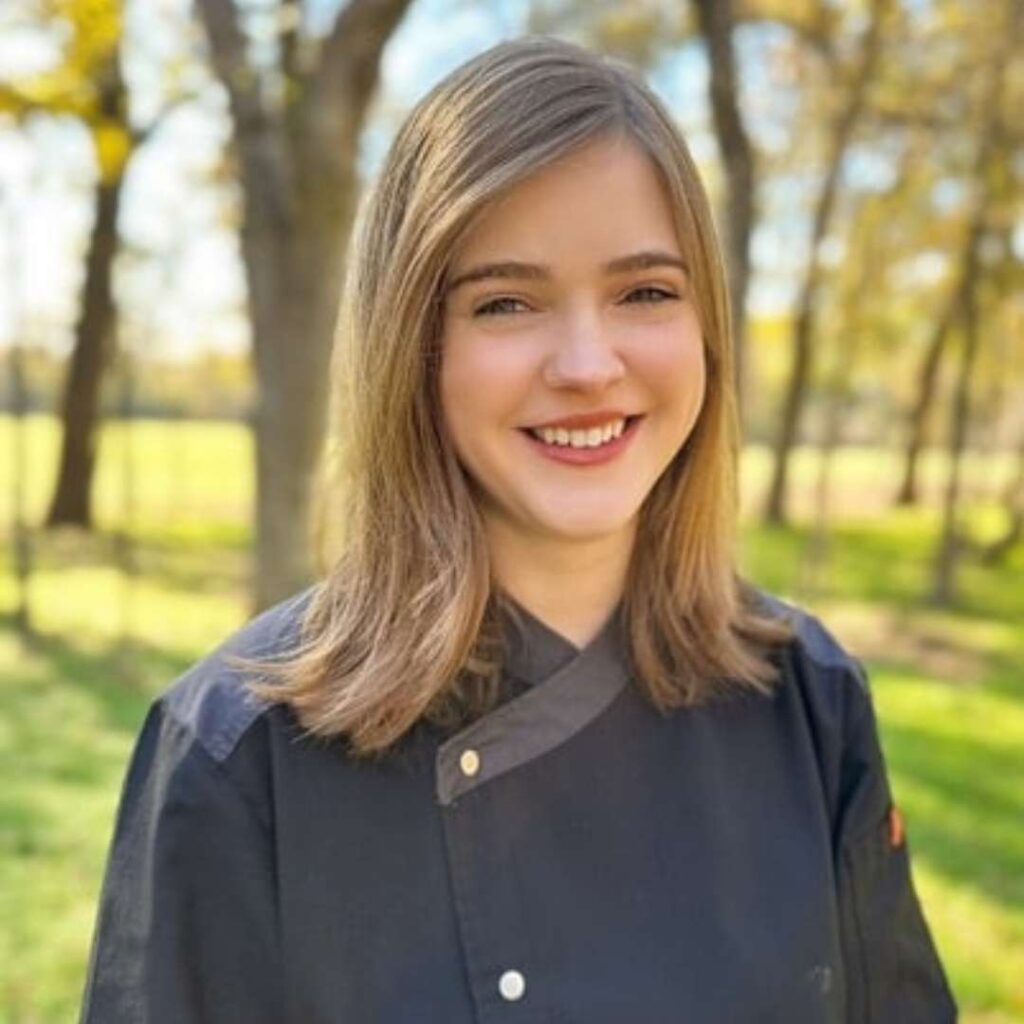
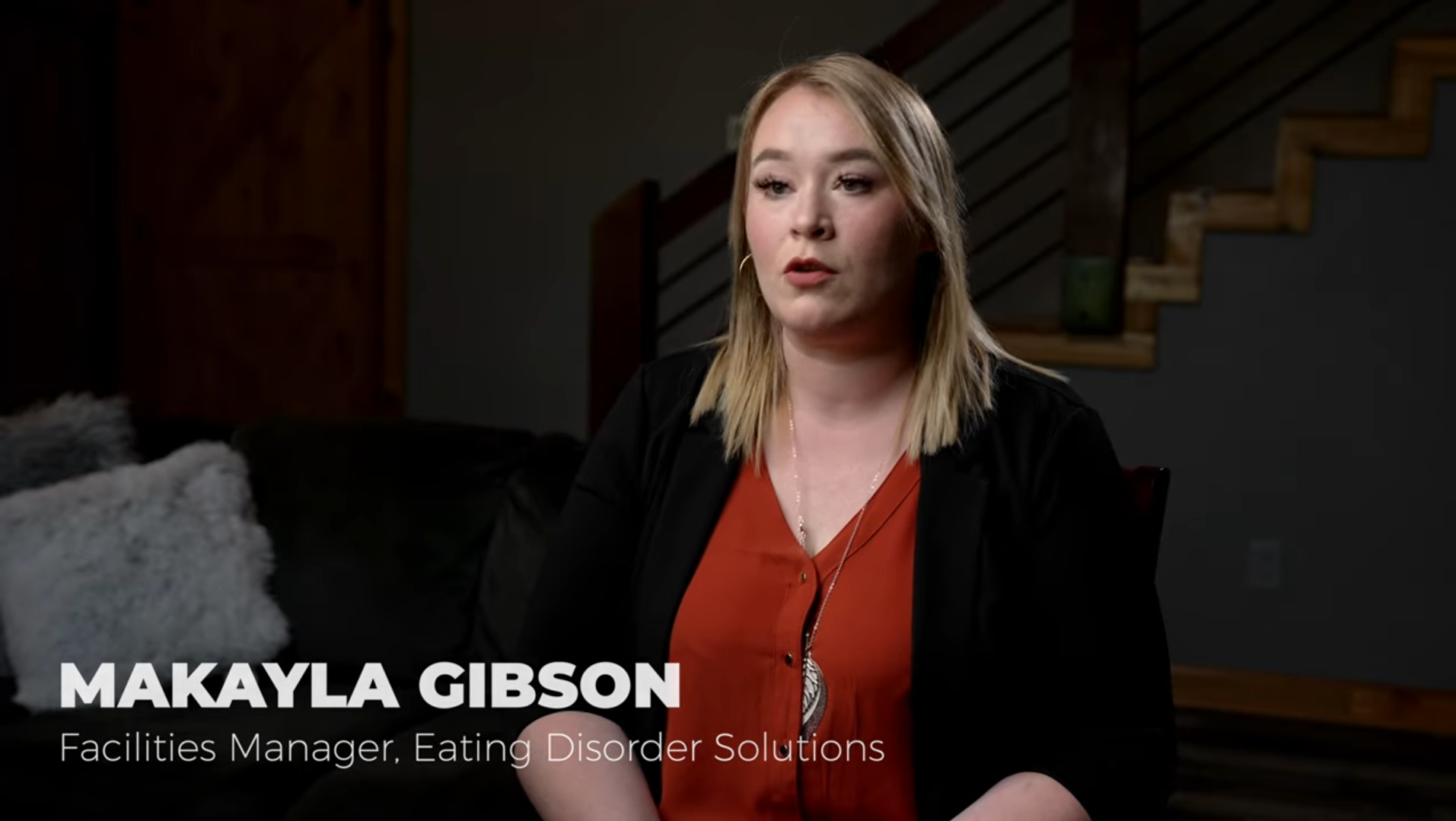
We’re here to truly understand you during your first week of treatment. It’s all about diving into what makes you, well, you! We want to know the strengths that make you shine, the challenges you face, and everything in between. Together, we’ll build a plan that’s uniquely yours, not just for now, but for what lies ahead on your journey. You’ll be introduced to a team of experienced eating disorder treatment specialists who will guide and support you throughout your treatment.

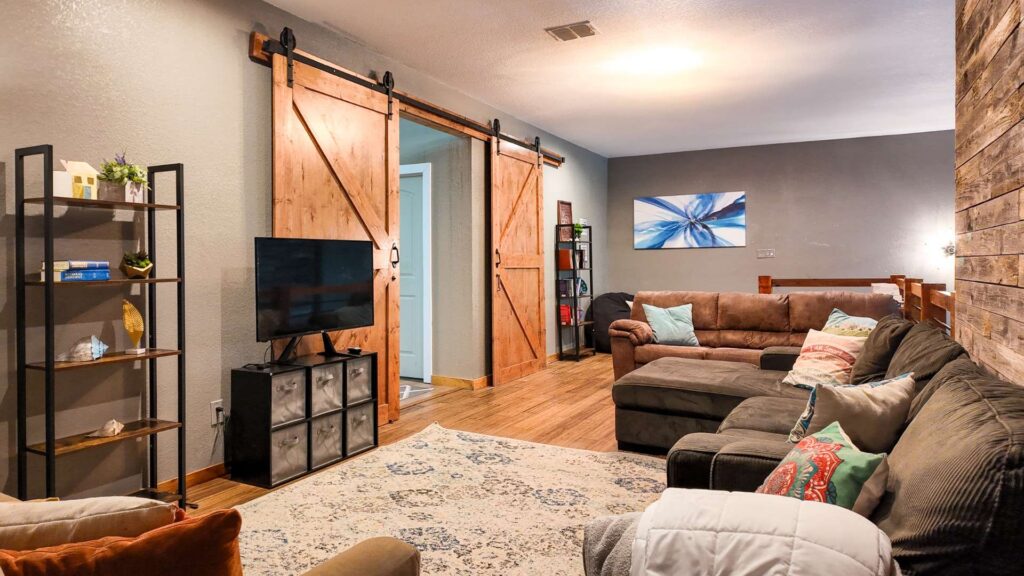
Explore Our Facility

Why Choose Eating Disorder Solutions Near Dallas?

Eating Disorder Solutions near Dallas offers compassionate, evidence-based care in a peaceful, home-like setting designed to help clients feel safe, supported, and understood. Our multidisciplinary team provides individualized treatment across multiple levels of care, blending clinical excellence with real-world recovery skills that translate beyond treatment. With a strong focus on nutrition, therapy, and long-term healing, we help clients build a sustainable path to recovery, not just short-term progress.

Related Reading From Our Blog