Key Takeaways
Culturally informed care matters too, including kosher eating disorder treatment.
For a day-to-day picture of the process, see what anorexia treatment actually looks like.
Residential treatment for anorexia provides 24-hour, structured care for people who need more support than outpatient therapy can offer. It brings medical monitoring, nutritional restoration, and intensive therapy together in one setting so the body and mind can stabilize and begin healing at the same time.
- Residential care suits people whose anorexia is medically serious or who have not progressed in a lower level of care, offering round-the-clock support in a home-like setting.
- A typical program blends medical monitoring, supported meals, and several forms of therapy, including individual, group, and family work.
- Anorexia carries one of the highest mortality rates of any mental health condition, which is why early, comprehensive treatment matters.
- Family-Based Treatment is a first-line, evidence-based approach for adolescents, helping families support their loved one’s recovery.
- Residential treatment is the beginning of recovery, not the end, so a strong aftercare plan helps protect progress after stepping down.
When facing the challenge of anorexia, understanding the path to recovery is a critical first step. For many, what happens in anorexia residential treatment can seem like a mystery, but it is a structured, supportive environment designed to facilitate healing and lasting recovery. This intensive level of care provides a safe space where individuals can focus completely on restoring their physical and mental health, guided by a dedicated treatment team of eating disorder specialists. Understanding the structure of eating disorders treatment helps families and patients make informed decisions about care. overcoming anorexia recovery challenges requires a multi-faceted approach that addresses both the psychological and physical aspects of the illness. Practitioners often emphasize the importance of personalized treatment plans that cater to the unique needs of each individual. Additionally, support from family and peers can significantly enhance the recovery journey, fostering an environment of understanding and encouragement. Many individuals over 30 may find themselves grappling with anorexia symptoms in adults over 30, which can manifest differently than in younger populations. Recognizing these symptoms early is essential, as it can lead to timely intervention and more effective treatment outcomes. In addition, support from family and peers plays a crucial role in encouraging those affected to seek help and embrace recovery.
What Is Anorexia Nervosa and Why Is Residential Treatment Needed?
Anorexia nervosa is a serious and potentially life-threatening eating disorder characterized by an intense fear of gaining weight, a distorted body image, and self-imposed starvation, leading to a significantly low body weight. Anorexia nervosa is not simply a diet gone too far but a complex psychiatric disorder with significant medical and psychological consequences. Anorexia is one of the most dangerous eating disorders and has one of the highest mortality rates of any mental health condition, with serious physical complications including heart problems, bone loss, and organ failure (Arcelus et al., 2011).
The journey to overcoming eating disorders often requires comprehensive, professional intervention. For many, an anorexia inpatient treatment program is often the recommended starting point. When eating disorder behaviors have become severe enough to pose a medical risk, or when outpatient treatment has not produced results, a residential treatment center offers the intensive support needed for meaningful recovery. Eating disorders treatment at this level is appropriate for individuals who need 24-hour monitoring and cannot safely manage their eating disorder behaviors in a less structured environment.
What Is the Goal of a Residential Eating Disorder Program?
Residential care is one of several options; our guide to the levels of care for eating disorder treatment explains how each setting differs.
The primary goal of a residential eating disorder program is medical and psychological stabilization. This involves interrupting dangerous eating disorder behaviors, restoring a healthy weight, and addressing the underlying psychological issues that fuel eating disorders. Unlike lower levels of care, residential treatment provides 24/7 monitoring and support, which is crucial for individuals who are medically unstable or unable to make progress in an outpatient setting.
The immersive environment of a residential treatment center helps patients build a healthier relationship with food and their bodies, free from the triggers and stressors of daily life. The treatment team creates a personalized treatment plan for each patient, ensuring that every aspect of their well-being is addressed, from nutritional rehabilitation to emotional healing. The goal is not just weight restoration, but comprehensive recovery that addresses the psychological, behavioral, and social dimensions of eating disorders (Marzola et al., 2013).
The benefits of residential treatment for eating disorders include round-the-clock medical and therapeutic support, a structured environment that removes daily triggers, access to a multidisciplinary team of eating disorder specialists, supported meals and snacks to normalize eating patterns, and a community of peers who understand the recovery journey. Research consistently shows that residential eating disorders treatment produces better outcomes for individuals with severe anorexia compared to outpatient treatment alone. When evaluating eating disorders treatment options, residential care is often the most appropriate choice for those with severe symptoms.
What Does a Typical Day in Anorexia Residential Treatment Look Like?
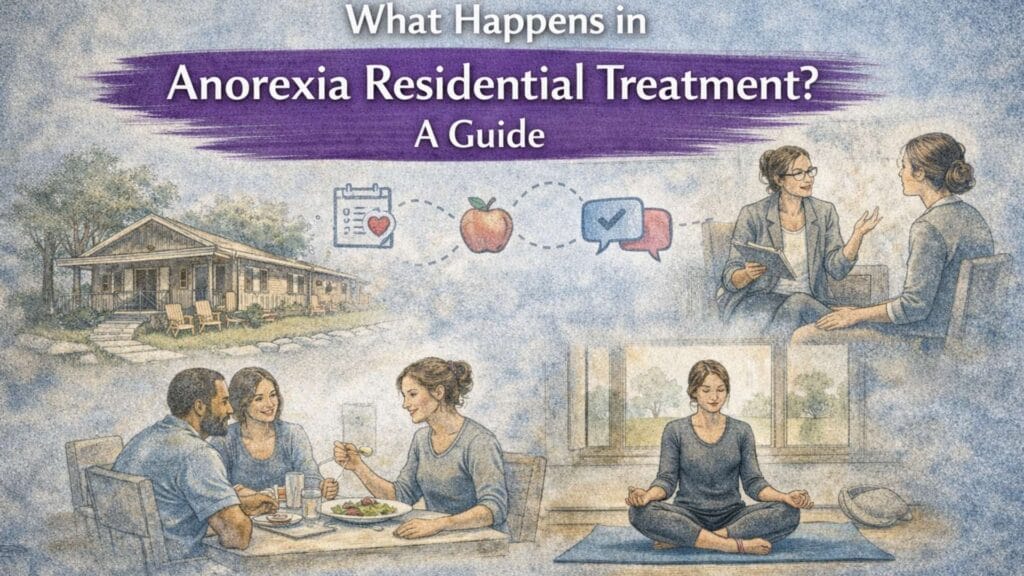
A day in an anorexia treatment center daily schedule is highly structured to provide support and minimize anxiety around meals and free time. While each residential treatment program varies, a typical day is built around a framework of therapeutic meals, individual and group therapy sessions, and structured leisure time. This structure is intentional. It removes the guesswork and anxiety from daily decisions, allowing individuals to focus their energy on the hard work of recovery from eating disorders.
The morning often begins with vital sign monitoring and a nutritious breakfast with therapeutic support from staff. This is followed by group therapy sessions, such as a Cognitive Assertion Group or a psychotherapy process group. Lunch is another supported meal, followed by more therapeutic activities including individual therapy with a primary therapist, nutrition education with a registered dietitian, or experiential therapies like art or mindfulness. The afternoon typically involves another supported snack and further group sessions focused on body image, relapse prevention, or developing healthy coping skills for eating disorders. After a supported dinner, the evening is usually a time for winding down with relaxation groups or quiet reflection before bedtime.
What Therapies Are Used in Anorexia Residential Treatment?
Residential treatment for anorexia utilizes a variety of evidence-based therapies to address the multifaceted nature of eating disorders. A comprehensive treatment plan is tailored to each individual, often incorporating several therapeutic modalities. The multidisciplinary treatment team collaborates to provide holistic care that addresses the physical, psychological, and nutritional dimensions of recovery from eating disorders. Effective eating disorders treatment at the residential level combines multiple approaches to address the full complexity of the disorder.
Individual psychotherapy, provided several times per week, helps patients identify and explore the psychosocial issues that influence their eating disorder behaviors. Cognitive Behavioral Therapy (CBT) is a cornerstone of eating disorders treatment, helping patients identify and challenge distorted thoughts about food, weight, and body image. Dialectical Behavior Therapy (DBT) builds skills for emotion regulation and distress tolerance, which are particularly important for individuals who use eating disorder behaviors to cope with difficult emotions. Family-Based Treatment (FBT), also known as the Maudsley method, is considered a first-line, evidence-based treatment for adolescent anorexia nervosa, empowering families to support their loved one’s recovery.
Group therapy provides an opportunity to practice interpersonal skills, gain peer support, and share experiences in a safe environment. Nutritional counseling with a registered dietitian helps patients restore a healthy relationship with food and eating patterns. Experiential therapies such as art therapy, yoga, mindfulness meditation, and recreation therapy round out the treatment experience, promoting creative self-expression and body awareness. For individuals with co-occurring mental health conditions such as depression or anxiety, additional treatment options may be incorporated into the eating disorders treatment plan.
Who Makes Up the Anorexia Treatment Team?
Effective eating disorders treatment relies on a collaborative, multidisciplinary team of eating disorder specialists. Members of your treatment team typically include a psychiatrist who manages medication and addresses co-occurring mental health conditions, a primary therapist who provides individual and family therapy, a registered dietitian who creates the meal plan and provides nutrition counseling, and medical staff who monitor physical health and medical stability. Therapeutic staff provide 24/7 support, encouragement, and supervision during meals and activities.
This team approach ensures that all aspects of the individual’s well-being are addressed, providing a strong foundation for lasting recovery from eating disorders. The treatment team meets regularly to review each patient’s progress, adjust the treatment plan as needed, and coordinate care across disciplines. This collaborative approach is one of the key benefits of residential eating disorders treatment. Patients receive comprehensive, coordinated care from a team of mental health professionals who specialize in eating disorders treatment. Comprehensive eating disorders treatment requires this level of multidisciplinary coordination to be truly effective.
What Happens After Residential Treatment for Anorexia?
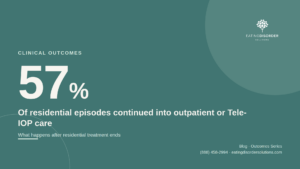
Residential treatment is not the end of the recovery journey from eating disorders. It is the beginning. After completing a residential treatment program, patients typically step down to a lower level of care to continue their progress. The most common next step is a Partial Hospitalization Program (PHP), which provides intensive treatment during the day while allowing patients to return home in the evenings. From PHP, patients may step down to an Intensive Outpatient Program (IOP), and eventually to traditional outpatient treatment. This continuum of care is essential for maintaining the gains made in residential treatment and preventing relapse from eating disorders.
The treatment team works closely with each patient to develop a comprehensive aftercare plan that supports their ongoing recovery from eating disorders. This plan typically includes outpatient therapy, nutritional counseling, medical monitoring, and support group participation. The transition from residential treatment to outpatient care is carefully managed to ensure that patients have the support they need at each stage of their recovery journey. With the right aftercare plan in place, individuals can continue to build on the progress they made in residential eating disorder treatment and work toward lasting recovery. Whether recovering from anorexia nervosa, bulimia, or other eating disorders, the step-down model ensures continuity of care and reduces the risk of relapse.
| Feature | Residential Treatment | Partial Hospitalization (PHP) | Intensive Outpatient (IOP) |
| Level of Care | Highest (below inpatient) | High | Moderate |
| Hours Per Day | 24/7 | 6–8 hours/day | 3–5 hours/day |
| Overnight Stay | Yes, on-site living | No, return home evenings | No, return home daily |
| Medical Monitoring | Continuous 24/7 | Daily during program hours | As needed |
| Meal Support | All meals supervised | Lunch and snacks supervised | Psychoeducation only |
| Therapy Frequency | Multiple sessions daily | Multiple sessions daily | Several sessions per week |
| Best For | Medically stable, severe symptoms | Step-down from residential | Ongoing recovery support |
| Typical Duration | 30–90 days | 2–6 weeks | 8–12 weeks |
Frequently Asked Questions
How long is residential treatment for eating disorders?
The length of stay in a residential treatment program varies depending on individual needs, but typically ranges from 30 to 90 days. The goal is to ensure the individual is medically stable and has a strong foundation in recovery before stepping down to a lower level of care, such as a partial hospitalization program (PHP) or intensive outpatient program (IOP). Some individuals may require a longer stay if their medical or psychological needs are more complex.
How much does residential eating disorder treatment cost?
The cost of residential eating disorders treatment can be significant, but it is often covered in part or in full by health insurance. Many eating disorder treatment facilities have financial counselors who can help navigate the insurance process and explore other funding options. It is important to contact your insurance provider to understand your benefits and coverage for residential eating disorder care.
What is the difference between inpatient and residential treatment?
Inpatient treatment is the highest level of care, typically occurring in a hospital setting for individuals who are medically unstable. Hospitalization may be required for individuals with severe medical complications from eating disorders. Residential treatment is a step down from inpatient, providing 24/7 care in a more home-like environment for individuals who are medically stable but still require a high level of structure and support from a dedicated treatment team.
What eating disorders are treated in residential programs?
Residential eating disorder treatment centers typically treat a range of eating disorders, including anorexia nervosa, bulimia nervosa, binge eating disorder, and other specified feeding and eating disorders (OSFED). Treatment programs are tailored to the specific needs of each individual, regardless of their diagnosis. Many residential programs also address co-occurring mental health conditions such as depression, anxiety, and trauma that often accompany eating disorders. Understanding cognitive behavioral therapy can be particularly beneficial in helping patients reshape their thought patterns and behaviors related to food and body image. By incorporating these techniques, residential treatment centers can foster a more profound transformation that supports sustainable recovery. Additionally, this therapeutic approach encourages individuals to confront underlying issues that may contribute to their eating disorders, promoting a holistic healing process. Incorporating dialectical behavior therapy fundamentals into treatment can significantly enhance a patient’s ability to manage their emotions and develop healthier coping strategies. This approach emphasizes mindfulness and emotional regulation, which are crucial for individuals facing the challenges of eating disorders. By fostering these skills, treatment centers can create a supportive environment that encourages long-term recovery and personal growth.
If you or a loved one is struggling with anorexia or other eating disorders, you are not alone. The journey to recovery is possible with the right support. At Eating Disorder Solutions, our compassionate team provides evidence-based residential treatment to help you heal your relationship with food and find lasting freedom. Call us today at 855-245-0961 or visit eatingdisordersolutions.com to learn more about our eating disorder treatment programs and begin the path to a healthier future.
References
- Arcelus J, Mitchell AJ, Wales J, Nielsen S. Mortality rates in patients with anorexia nervosa and other eating disorders: a meta-analysis of 36 studies. Arch Gen Psychiatry. 2011;68(7):724-731. https://doi.org/10.1001/archgenpsychiatry.2011.74
- Marzola E, Nasser JA, Hashim SA, Shih PA, Kaye WH. Nutritional rehabilitation in anorexia nervosa: review of the literature and implications for treatment. BMC Psychiatry. 2013;13:290. https://doi.org/10.1186/1471-244X-13-290
- Friedman K, Ramirez AL, Murray SB, et al. A narrative review of outcome studies for residential and partial hospital-based treatment of eating disorders. Eur Eat Disord Rev. 2016;24(4):263-276. doi:10.1002/erv.2449
Support and Crisis Resources
If you or someone you love is struggling, support is available. If you are in crisis or need immediate help, call or text 988 to reach the 988 Suicide and Crisis Lifeline, a free, confidential service available 24/7.
Related Reading
- How Long Does Anorexia Treatment Take? A Recovery Timeline
- Restrictive Eating vs. Anorexia: What Is the Clinical Difference?
If you or someone you love is struggling with anorexia, our team can help. Learn more about our anorexia treatment program in Texas.
References
Eating Disorders: What You Need to Know (NIMH) (https://www.nimh.nih.gov/health/publications/eating-disorders)
Eating Disorders (NIMH) (https://www.nimh.nih.gov/health/topics/eating-disorders)